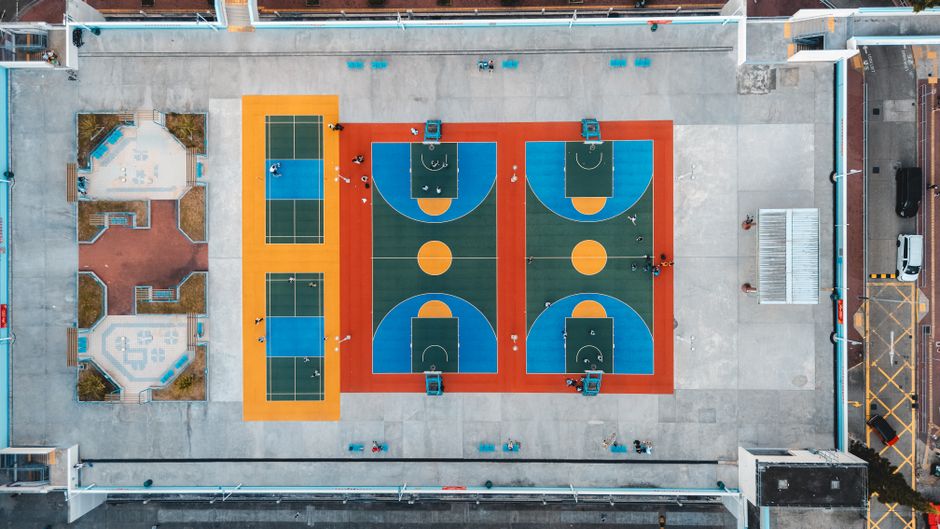
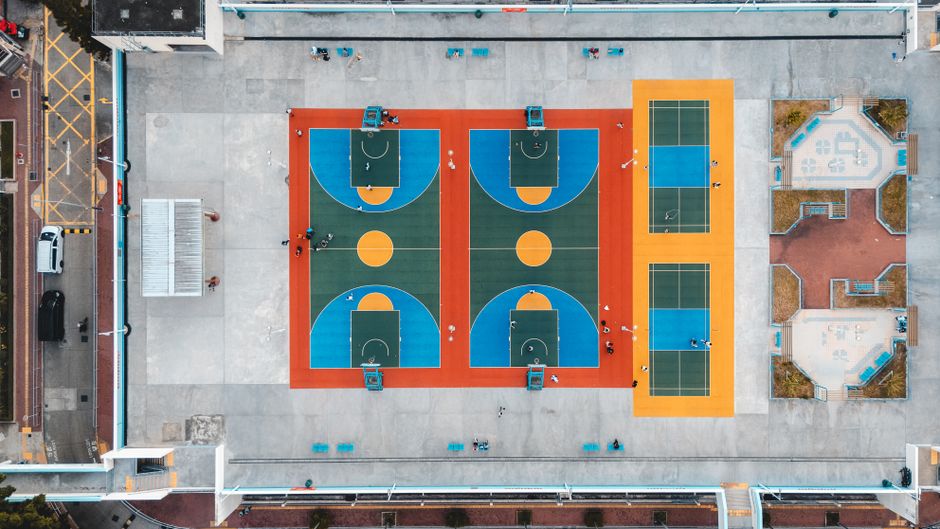
On Tuesday evenings, the concrete courts at Victoria Park fill with the sound of sneakers and whistles. It is here that the Causeway Bay Amateur Basketball Association runs its weekly competitions—seven divisions, 60 teams, entirely volunteer-managed. Entry costs HK$800 per season. No television cameras. No branded jerseys. Just basketball.
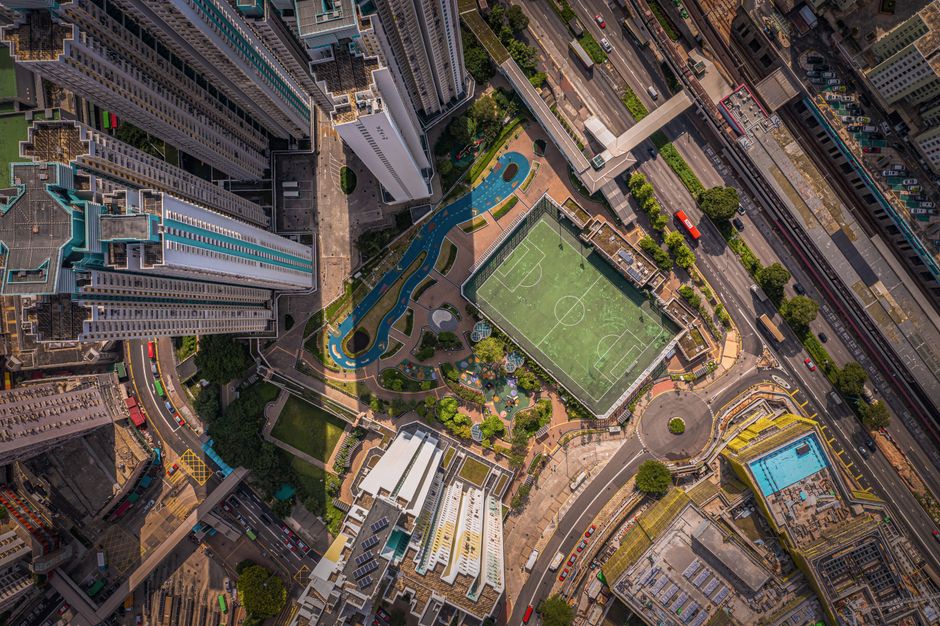
This is the authentic pulse of Hong Kong sport: not the glittering Hong Kong Tennis Open at Victoria Park's manicured grass courts, but the unglamorous, essential work happening in public spaces across neighbourhoods most tourists never visit.
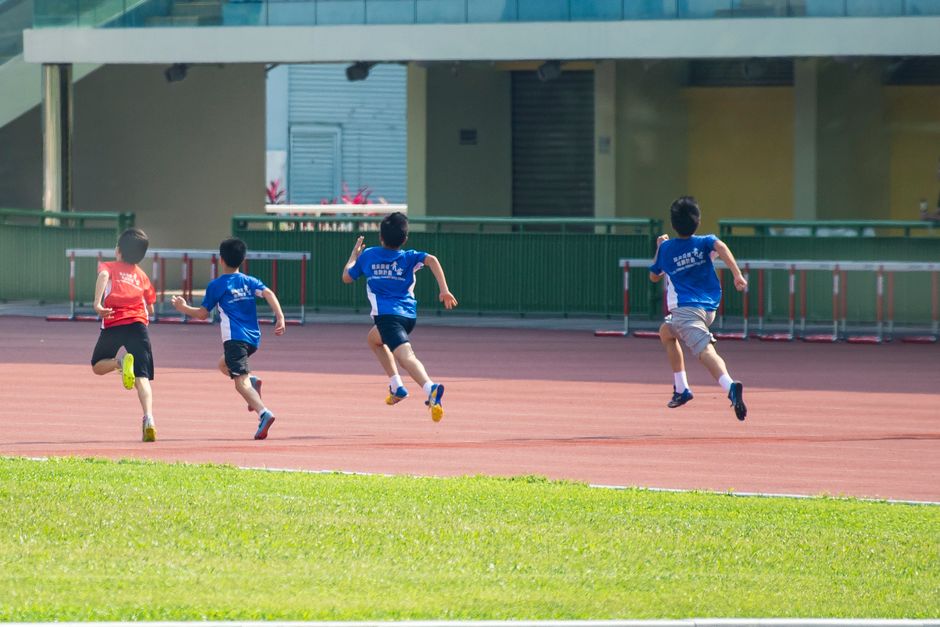
Over the past three years, amateur sport clubs and recreational leagues have quietly flourished throughout the territory. The Hong Kong Badminton Association alone reports membership across 47 affiliated clubs, many based in leisure centres in Tin Shui Wai, Tuen Mun, and Sham Shui Po. Similarly, grassroots football leagues operate in grounds at Mong Kok, Kowloon Bay, and Wong Tai Sin, with participation costs typically ranging from HK$600 to HK$1,200 per team per season.
What drives this expansion? Community organisers point to post-pandemic appetite for structured social activity. The Kowloon Tong Residents Sports Club, established in 1987, now oversees nine recreational leagues including netball, volleyball, and table tennis. Secretary of the club's football division notes that membership has doubled since 2024, with waiting lists for certain age groups.
The infrastructure, however, remains stretched. Most leagues depend on hiring public courts at district leisure centres—the hourly rate at Kowloon Bay Sports Centre runs approximately HK$180 for a badminton court. Equipment budgets are thin. Volunteer coordinators balance spreadsheets and fixture lists during lunch breaks. Yet these constraints have fostered resilience and ingenuity. The Sham Shui Po Recreational Football League operates with just four volunteer administrators managing 12 teams. The North District Netball Association runs entirely through WhatsApp and shared Google Sheets.
This decentralised model reflects something deeper about Hong Kong life—the default assumption that communities must self-organise. Government support exists through the Hong Kong Sports Development Board's community sport funding scheme, but applications remain competitive. Many grassroots organisers never apply, preferring independence.
What emerges is a portrait of sport functioning at human scale: neighbours who meet weekly, leagues where everyone plays, and communities strengthened through shared commitment rather than shared spectacle. As Hong Kong's professional sports ecosystem remains dominated by football and horse racing, these amateur leagues represent where most residents actually experience sport—not as consumers, but as participants in their neighbourhoods' social fabric.
This article was compiled by AI from the sources linked above and screened before publishing. See our editorial standards.