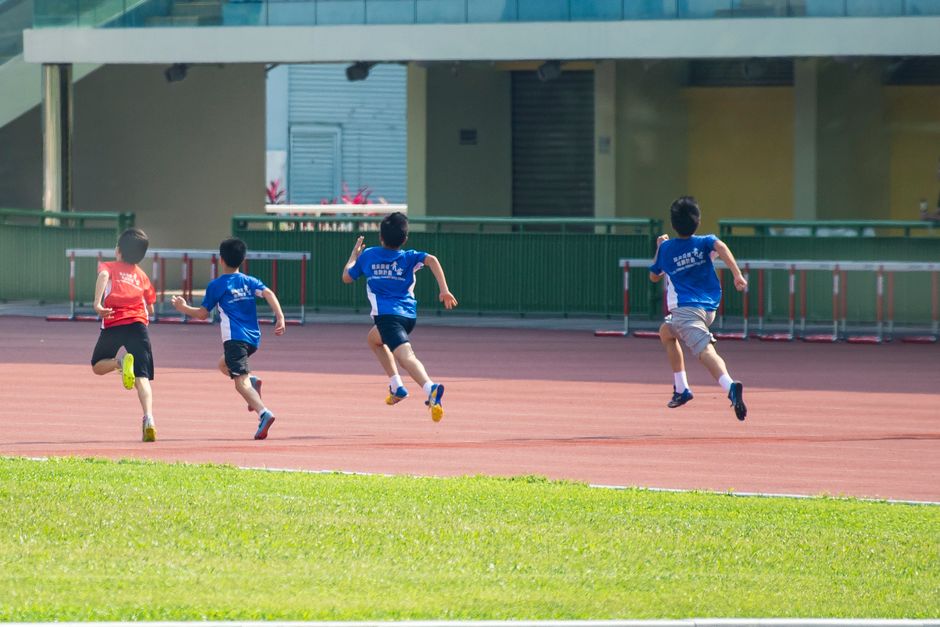
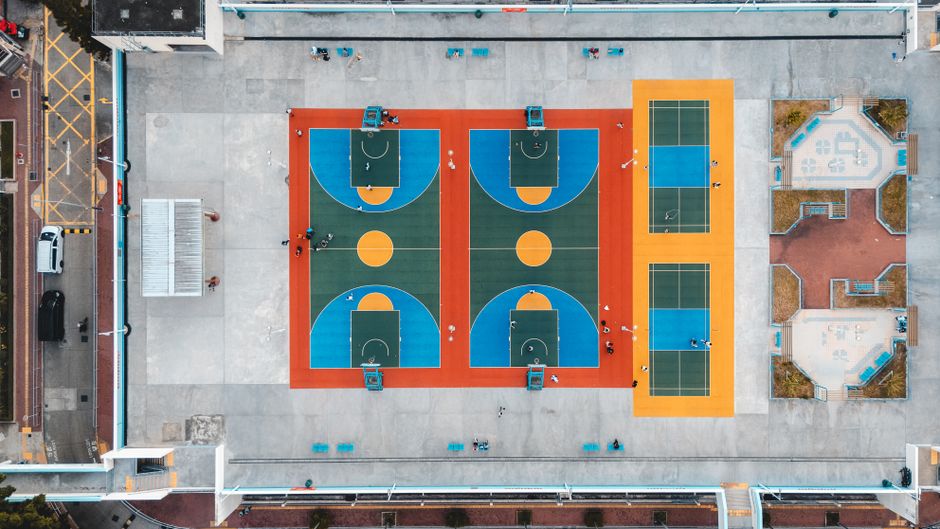
On Tuesday evenings, the cracked concrete court behind the Mong Kok Community Centre transforms into something sacred. Under flickering floodlights, teenagers in mismatched kits chase a worn ball, their shouts echoing off the towering residential blocks that frame Victoria Park Road. This is where Hong Kong's real football revolution is happening—not in the gleaming Hong Kong Stadium, but in the cramped alleyways and repurposed recreational spaces where working families live.
The grassroots football movement has exploded across the territory's most densely populated districts over the past three years. According to the Hong Kong Football Association's community development report, participation in neighbourhood-level clubs has grown by 47% since 2023, with over 2,400 young players now enrolled in informal leagues operating across Sham Shui Po, Mong Kok, and Kowloon City alone.
What's driving this surge isn't investment from corporate sponsors or government initiatives—it's determined volunteers like those running the Sham Shui Po United Community Programme. Operating from a borrowed space near Cheung Sha Wan Road, the organisation charges just HK$150 per season, making football accessible to children whose families cannot afford the HK$3,000-plus fees at elite academies. They've built a waiting list of 180 children.
"We don't have perfect facilities," explains one local organiser, "but we have commitment. Kids here see football as their pathway—not just to play, but to belong somewhere."
The impact extends beyond the pitch. Teachers report improved attendance and behaviour among participants. Parents describe the programmes as anchors in neighbourhoods where youth recreational options have dwindled. The Kowloon City Football Collective, which operates five informal training groups, estimates that 340 young people have passed through their programmes since launching in 2024.
Yet challenges persist. Securing consistent access to public courts remains difficult; many facilities are booked months in advance by organised clubs. Funding is precarious—most programmes survive on donations and small membership fees. Insurance and equipment costs stretch thin budgets to breaking point.
Still, something irreversible has shifted. Walk through Sham Shui Po's side streets on any weeknight and you'll see it: children with footballs tucked under their arms, heading toward those humble courts, chasing something bigger than themselves. That's Hong Kong's football future, written not in polished stadiums, but in the grit and determination of communities refusing to let their young people slip through the cracks.
This article was compiled by AI and screened before publishing. See our editorial standards.