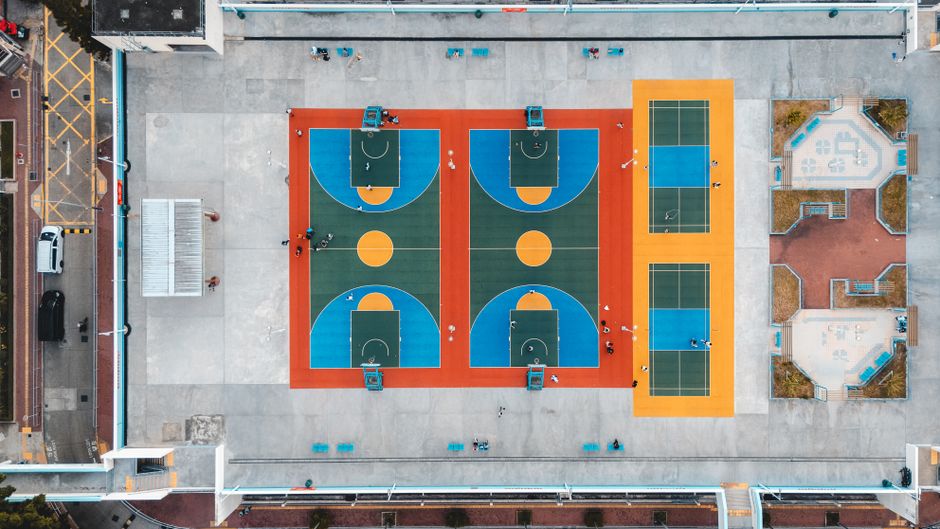
Walk past Victoria Park on any weekday evening and you'll see it immediately: badminton courts fully booked until 10 p.m., futsal pitches packed with after-work players, and basketball courts glowing under lights as amateur leagues extend their fixtures well into the night. But the real story lies in the data, which paints a portrait of a city fundamentally rethinking its relationship with recreational sport.
According to figures from the Hong Kong Amateur Sports Association, membership across recreational leagues has grown 34 per cent over the past three years. The Tuen Mun District Badminton League alone now has 1,200 active members—nearly triple its roster from 2023. Similarly, the Hong Kong Table Tennis Association reports that amateur club participation reached 8,900 players last year, driven largely by players aged 25 to 45 seeking structured competition outside the professional sphere.
What's particularly telling is where this growth is concentrated. Traditional venues like Kowloon Park and Causeway Bay sports centres remain busy, but emerging hubs in Sha Tin and Yuen Long are witnessing explosive expansion. The Yuen Long Sports Centre's amateur basketball league grew from four teams in 2024 to seventeen this year, forcing administrators to add Saturday morning fixtures. Across the New Territories, similar patterns suggest professionals and young families are increasingly prioritising fitness options closer to home rather than commuting to central locations.
The financial commitment is worth noting. Annual membership fees for competitive amateur leagues range from HK$800 to HK$2,500 depending on the sport and division level—a meaningful investment that suggests genuine commitment rather than casual interest. Yet participation hasn't plateaued; it's accelerating, particularly among women's divisions. The Hong Kong Women's Volleyball League expanded from 18 teams to 28 teams this season, with a waiting list of eleven clubs.
This data reveals something deeper about Hong Kong's fitness culture: we're moving away from solitary gym routines and towards community-based, competitive recreation. The rise reflects changing priorities post-pandemic, with residents clearly valuing structured activity, social connection, and measurable progression—elements that gym memberships alone cannot provide.
The pressure on facilities is real. Many district sports centres report 18-month waiting lists for court bookings during peak hours. Yet rather than dampening enthusiasm, these constraints seem to be driving innovation: pop-up leagues in converted carparks, weekend tournaments in industrial estates, and growing partnerships between private sports clubs and district councils.
Hong Kong's amateur sports participation surge tells us we're a city that craves belonging, structure, and friendly competition. The question now is whether our infrastructure can keep pace with the demand.
This article was compiled by AI from the sources linked above and screened before publishing. See our editorial standards.