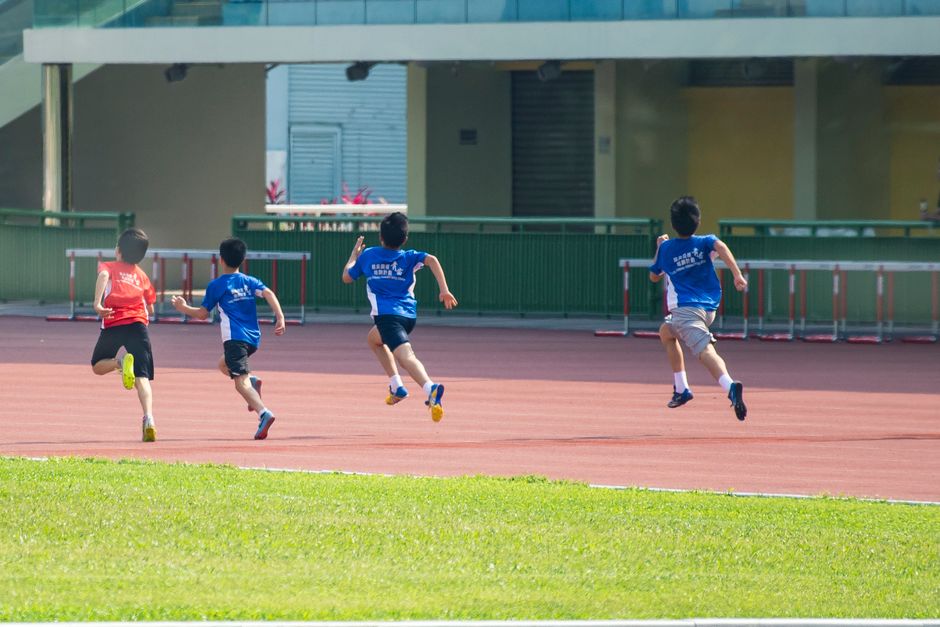
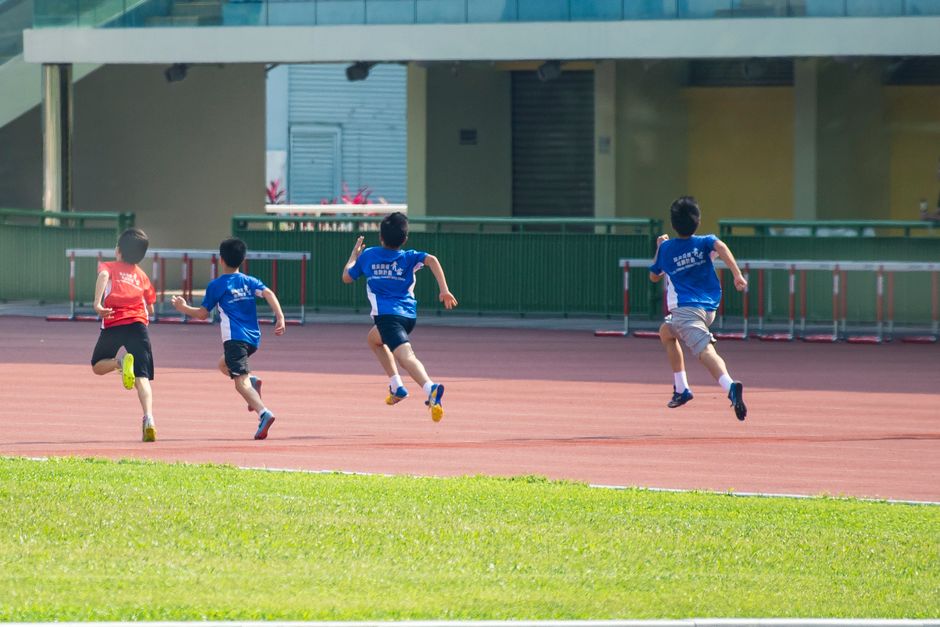
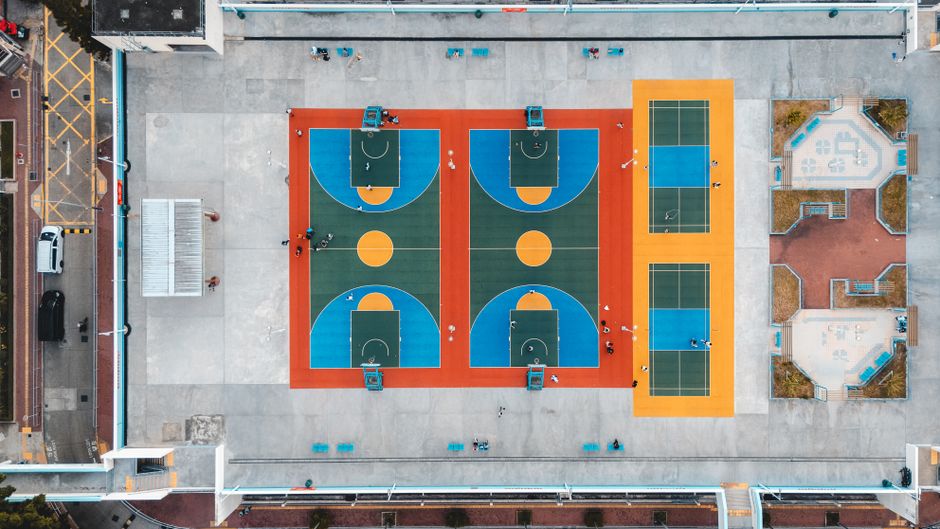
On Tuesday evenings, the Sham Shui Po Sports Centre buzzes with the sound of whistles and the thud of footballs against worn astroturf. Around forty children aged seven to fourteen, most from migrant worker families or public housing estates, are receiving coaching they could never otherwise afford. This scene, replicated across Hong Kong's eighteen districts, represents the true backbone of the city's football development.
The grassroots movement has accelerated dramatically over the past three years. Community centres in Mong Kok, Causeway Bay, and Tuen Mun now run subsidised football programmes costing as little as HK$150 per month—a fraction of the HK$800-1,200 charged by private academies in Mid-Levels and Discovery Bay. The Hong Kong Football Association's community liaison officer reported a 34% increase in grassroots participation since 2023, with particular growth in underserved areas like Kwai Tsing and Yuen Long.
"These kids don't have access to the elite pathways," explains a coach at the Ap Lei Chau Community Hall, who requested anonymity. "But they have talent. What they need is structure and encouragement." His observation reflects a systemic challenge: Hong Kong's professional league, while competitive regionally, has long relied on importing players. Developing homegrown talent requires investment at the grassroots level—something international observers note the territory has historically under-prioritised compared to rival cities.
Organisations like the Eastern District Youth Football Club and the Kowloon City Community Sports Association have become essential infrastructure. They operate on threadbare budgets, relying on volunteer coaches and donated equipment. The Kowloon City club, based near the legendary Kowloon Walled City Park, serves over 200 young players and has already produced two athletes signed to semi-professional contracts.
The movement's impact extends beyond statistics. Parents working long shifts in retail or hospitality now have reliable, affordable spaces where children develop discipline, teamwork, and confidence. Social workers have noted reduced behavioural issues in estates where community football programmes operate regularly.
Yet challenges persist. Pitch availability remains constrained, with waiting lists of six months common at popular venues. Coaching standards vary widely. Funding relies heavily on government grants and NGO donations, making long-term sustainability uncertain.
As professional football in Hong Kong looks outward—importing marquee players and targeting regional titles—the real story unfolds in neighbourhood courts and community centres. It's unglamorous work, conducted by volunteers and modest budgets. But it's where tomorrow's Hong Kong footballers learn to love the game.
This article was compiled by AI from the sources linked above and screened before publishing. See our editorial standards.