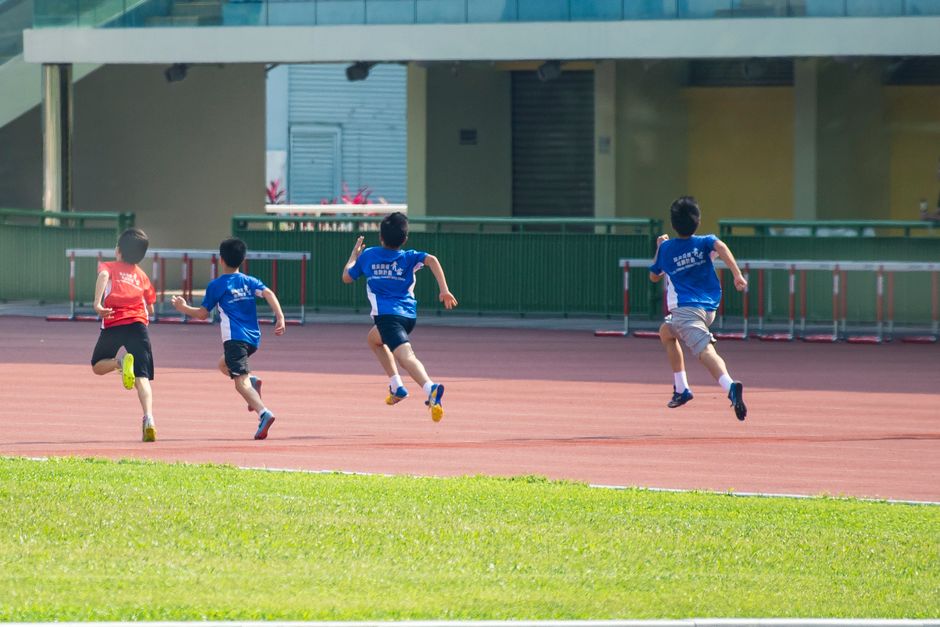
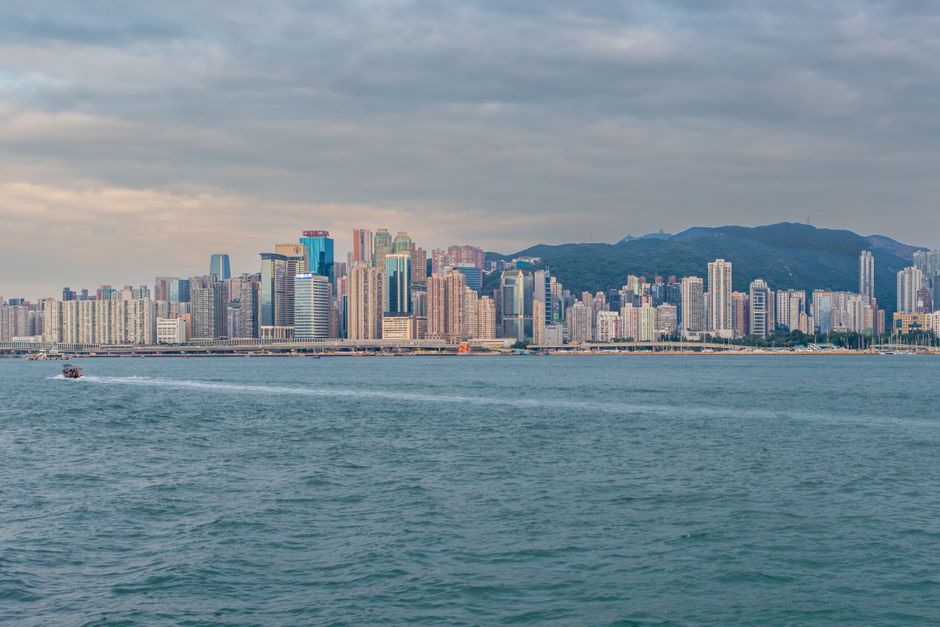
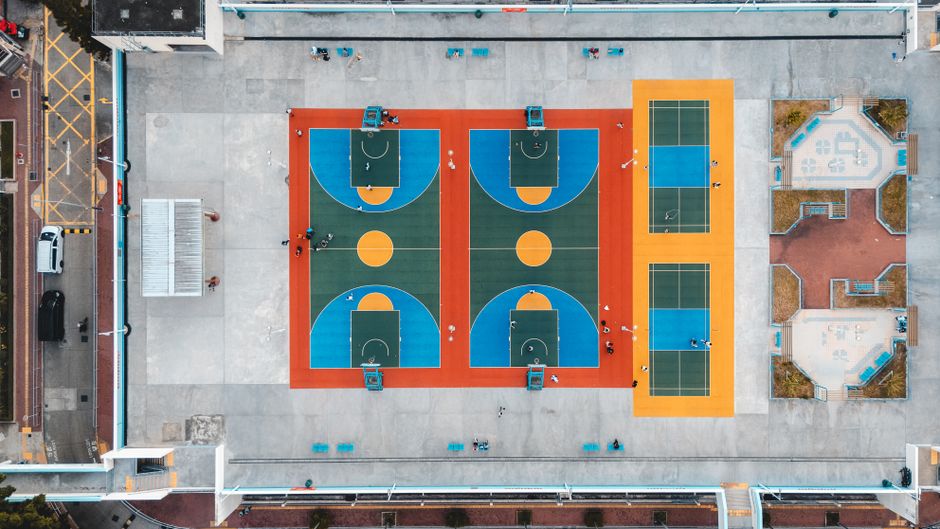
On a humid Tuesday evening in Sham Shui Po, a cluster of teenagers dribble basketballs across a weathered outdoor court wedged between a dai pai dong and a residential tower. The surface is cracked, the hoops slightly bent, yet the energy is unmistakable. This is where Hong Kong's grassroots sport movement truly lives—not in gleaming stadiums, but in the everyday spaces where community volunteers are quietly revolutionising youth development.
The Sham Shui Po Youth Sports Association, one of dozens of neighbourhood clubs operating across the territory, relies almost entirely on donations and volunteer labour. With an annual budget of roughly HK$180,000, the club serves over 150 young people in basketball, badminton, and table tennis programmes. Despite financial constraints that would cripple many organisations, they've produced three players who advanced to regional competitions in the past two years.
"The real story isn't about money," says the club's operations coordinator during a break in training. "It's about access. Many families in Sham Shui Po can't afford private coaching at HK$200-300 per hour. We charge HK$50 per session. That difference matters."
Across the city, similar initiatives flourish in pockets often overlooked by mainstream sports infrastructure. In Kwun Tong, the Lam Tin Community Centre runs free football clinics for primary school children. In Wong Tai Sin, badminton enthusiasts have transformed a cramped multipurpose hall into a feeder programme that's supplied players to district league teams. Yau Tong's table tennis club, operating since 1987, continues to operate on a shoestring budget yet maintains a reputation for developing fundamentally sound young players.
These grassroots programmes represent a crucial gap between school sport and elite pathways. Government-funded facilities and school programmes reach a broad base, but community clubs provide the intensive, affordable coaching that transforms casual participants into serious athletes. A 2024 survey by the Hong Kong Sports Development Board noted that approximately 45% of junior athletes involved in district competitions had first encountered their sport through neighbourhood clubs rather than formal school programmes.
Sustainability remains the sector's greatest challenge. Most grassroots clubs operate with minimal administrative support, relying on ageing volunteers and precarious funding from government grants and corporate sponsorships. Yet they persist, driven by something less quantifiable than budgets: a commitment to ensuring that a child's postcode doesn't determine their sporting future.
As Hong Kong looks toward hosting regional championships and developing pipelines for international competition, the unglamorous work happening in Sham Shui Po, Kwun Tong, and Wong Tai Sin may prove essential—not just to sport, but to the city's social fabric.
This article was compiled by AI from the sources linked above and screened before publishing. See our editorial standards.