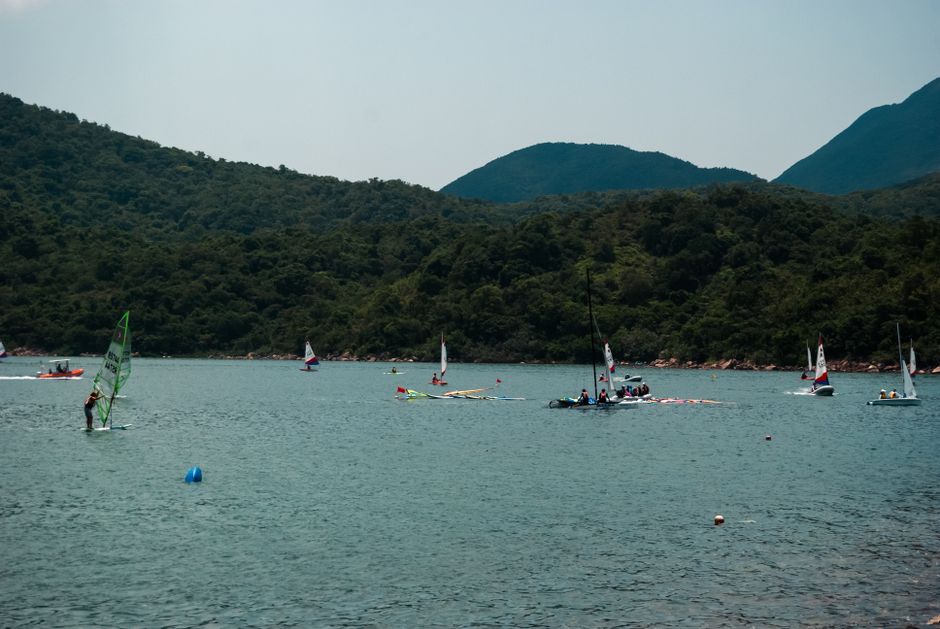
On summer mornings along the Sai Kung waterfront, a sight that would have been unthinkable a decade ago unfolds: dozens of local children diving off makeshift platforms, their strokes coached by volunteers who grew up in the same public housing estates. This is the face of Hong Kong's quiet revolution in water sports—one driven not by elite clubs or government funding, but by residents determined to reclaim their relationship with the sea.
The movement gained momentum after 2019, when several community organisations in working-class districts like Kwai Tsing, Tuen Mun, and Yau Tsim Mong began offering affordable swimming lessons at public pools. Monthly fees of HK$200-400 made participation accessible for families earning below HK$25,000 monthly—a stark contrast to private clubs charging ten times that amount. Today, over 40 grassroots aquatic groups operate across the territory, with membership exceeding 8,000.
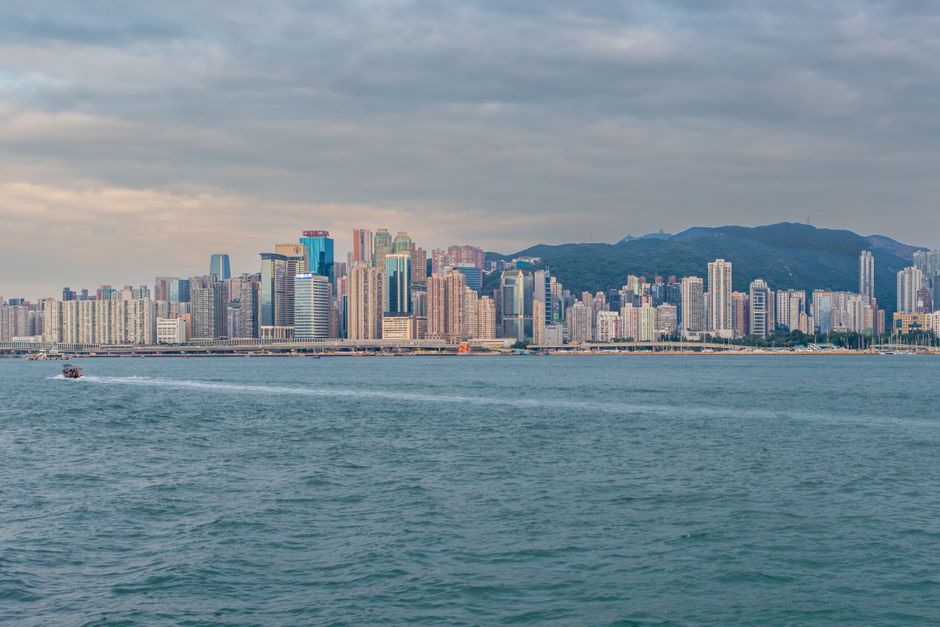
Victoria Harbour's swimmers, once confined to tourist postcards and professional triathletes, now include 200 regular open-water swimmers from neighbourhood associations. Sunday morning gatherings at Repulse Bay and Shau Kei Wan have created unexpected social fabric—retired dock workers training alongside university students, all united by dawn swims and shared determination.
What makes this movement distinctive is its structural DIY ethos. The Sai Kung Kayak Collective, launched in 2023 by five neighbours pooling resources, now operates from a modest beachside hut in Clear Water Bay. They've trained 150 paddlers without a single corporate sponsor, using donated equipment and volunteer instruction. Similar stories emerge from Cheung Sha Beach and Discovery Bay, where stand-up paddle boarding classes run by community members cost half the price of commercial operators.
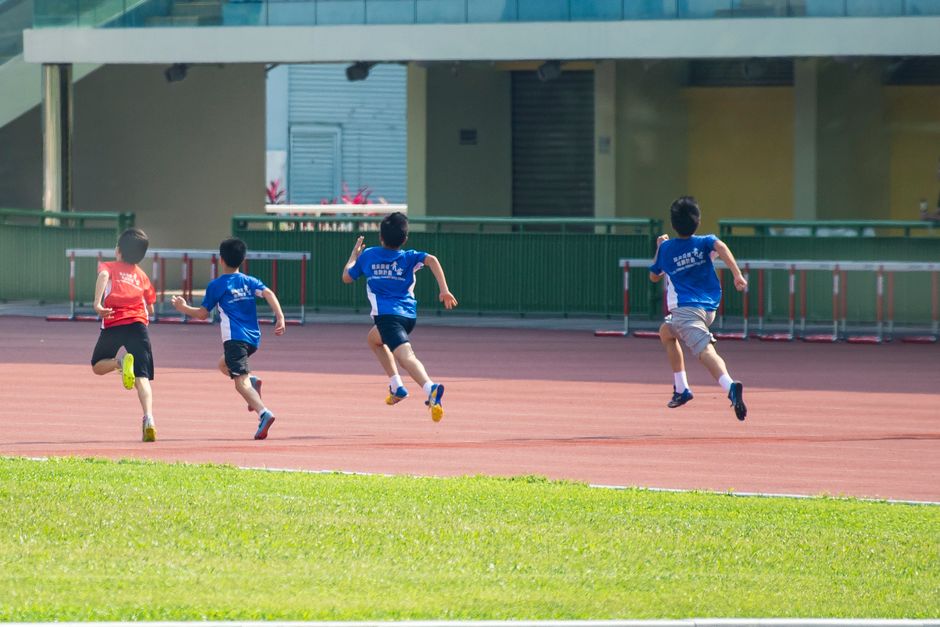
Victories, though modest, matter profoundly. Last year, three swimmers from the Kwun Tong Community Centre programme qualified for the Hong Kong Age Group Swimming Championships—athletes who, their coaches note, would never have entered a pool without neighbourhood intervention. Youth participation in swimming across public centres has surged 35% since 2020.
Government response has been mixed. The Leisure and Cultural Services Department expanded pool access hours in 2024, yielding modest improvements. Yet funding remains constrained. Grassroots organisers estimate HK$12 million annually could adequately support existing programmes; current allocation hovers around HK$3 million territory-wide.
As summer heat drives Hong Kong toward the water, these communities continue their quiet work—not chasing headlines, but building something deeper: a generation for whom aquatic sport feels natural, accessible, and genuinely theirs.
This article was compiled by AI from the sources linked above and screened before publishing. See our editorial standards.