Sport
Hong Kong's Fitness Numbers Tell a Story of Evolving Urban Wellness
New participation data reveals how the city's gym culture has shifted dramatically over the past three years, with surprising winners and losers emerging.
3 min read
Sport
New participation data reveals how the city's gym culture has shifted dramatically over the past three years, with surprising winners and losers emerging.
3 min read
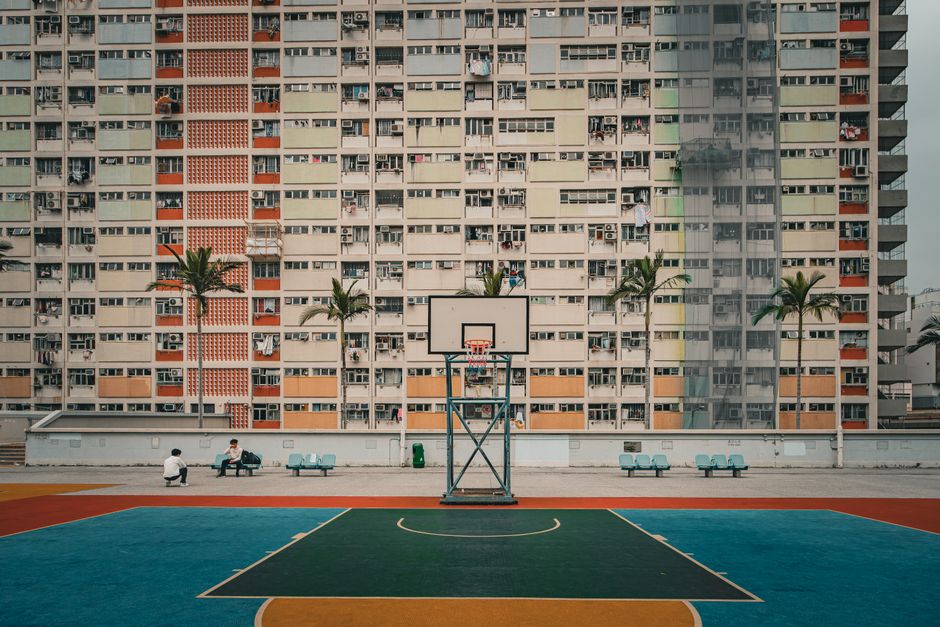
Hong Kong's fitness landscape is undergoing a quiet revolution. Recent participation data from the Sports Commission and major gym operators paints a detailed picture of how locals are rethinking their approach to health and exercise—and it defies some conventional assumptions about the city's gym culture.
The numbers are striking. Traditional big-box gyms across the Central, Causeway Bay, and Mong Kok corridors have seen overall membership decline by roughly 12 per cent since 2023, yet boutique fitness studios have grown their combined membership base by 31 per cent over the same period. What's driving this shift tells us something profound about how Hong Kong professionals now view fitness: it's less about owning a membership and more about buying targeted experiences.
Data from the Hong Kong Health and Fitness Association shows that cycling studios—particularly those clustered around Sheung Wan and Wong Chuk Hang—now represent the fastest-growing segment, capturing 18 per cent of all new fitness memberships. CrossFit boxes and functional training facilities have similarly thrived, with participation among 25-to-40-year-olds climbing 27 per cent. Meanwhile, traditional aerobics and weight-training memberships have plateaued, suggesting that the Instagram-era fitness consumer wants measurable results and community rather than endless cardio machines.
The price point matters too. Entry-level gym memberships in prime locations like Admiralty and Wan Chai hover around HK$600-800 monthly, yet boutique classes command HK$150-200 per session. That people are paying premium rates for single classes suggests time-starved professionals are prioritising intensity and quality over quantity and convenience—a marked shift from the traditional all-you-can-use model.
Home fitness adoption remains elevated post-pandemic at roughly 34 per cent of regular exercisers, according to recent surveys, though gym attendance has recovered to near-2019 levels. What's changed is the hybrid nature of participation: locals are combining one or two gym memberships with targeted class bookings and home workouts, creating a more fragmented ecosystem.
Perhaps most tellingly, participation rates among women aged 30-45 have risen 19 per cent, now representing 42 per cent of all gym memberships citywide. This demographic shift suggests Hong Kong's fitness culture is becoming less male-dominated and more accessible to those juggling career and family demands.
The data doesn't show fitness fading in Hong Kong. Rather, it reveals a maturing market where convenience alone no longer sells membership. Locals want results, community, and flexibility—and they're willing to pay for it on their terms.
This article was compiled by AI from the sources linked above and screened before publishing. See our editorial standards.
About this article
Published by The Daily Hong Kong
Spread the word
Daily brief
Free, in your inbox before 7am. Weekdays.
Before you go
The day's Hong Kong news in a 2-minute read. Free, weekday mornings.