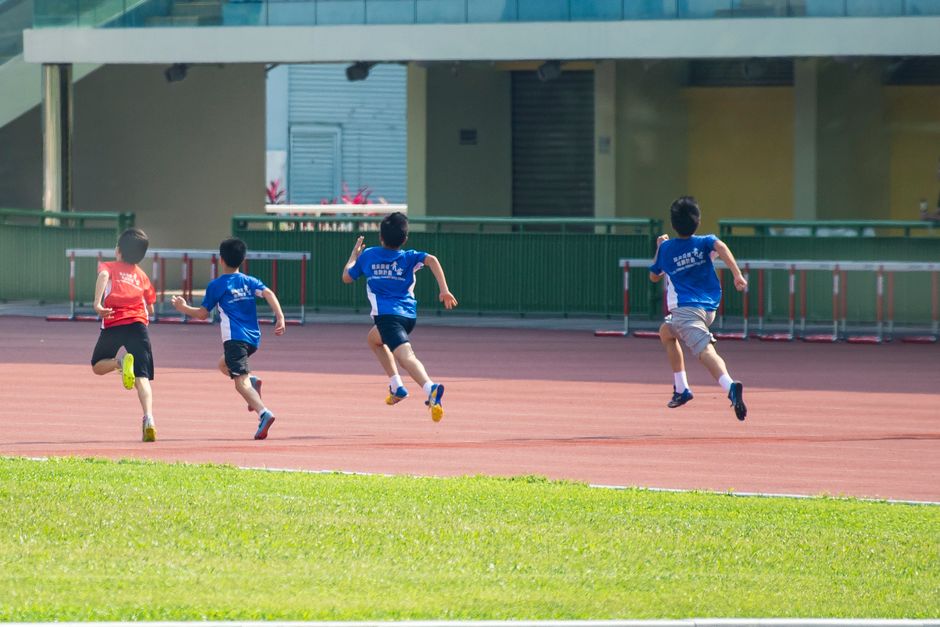
On any Saturday morning, Victoria Park pulses with hundreds of runners in neon vests, their trainers pounding the 1.3-kilometre loop as dawn breaks over Causeway Bay. These aren't elite competitors chasing sponsorships—they're the backbone of Hong Kong's endurance sport renaissance, driven by grassroots clubs and volunteer coordinators who have transformed local sport culture over the past five years.
The numbers tell the story. Running clubs have grown from an estimated 40 organised groups in 2021 to over 180 today, according to data from the Hong Kong Runners Association. Triathlon entries have doubled, with the annual Hong Kong Sprint Triathlon attracting more than 2,000 participants annually. Cycling groups operating from neighbourhoods like Sai Kung and the New Territories now count thousands of active members.
What drives this growth isn't glossy marketing or million-dollar sponsorships. It's community. Take the Sheung Wan Running Collective, a volunteer-led group that started in 2022 with 12 members meeting weekly near the Central waterfront. Today it organises four weekly sessions, mentors beginners, and coordinates group entries into major races. Membership costs just HK$50 monthly, with proceeds funding route-mapping and event safety marshals.
"People want connection," explains one veteran volunteer coordinator from a Mong Kok cycling club. "The cost barrier is real—a decent road bike runs HK$5,000 to HK$15,000, racing entry fees are expensive—but community clubs democratise access. We share equipment, share knowledge, share the journey."
The infrastructure supporting this movement has evolved organically. Facebook groups coordinate training schedules. Strava segments turn commute routes into friendly competitions. Local sports shops in areas like Quarry Bay have become informal clubhouses where athletes gather post-ride. The government-backed Sports Federation and volunteer-driven organisations increasingly partner on grassroots events, though funding remains tight.
Challenges persist. Environmental concerns around popular cycling routes through country parks have sparked conversations about sustainable recreation planning. Many grassroots clubs operate with minimal insurance or formal structure, relying entirely on volunteer goodwill. Yet participation keeps climbing.
What makes Hong Kong's endurance sport movement distinctive is its bottom-up character. Rather than waiting for official pathways, thousands of ordinary commuters and weekend warriors have built their own ecosystem—one training session, one group ride, one finish line at a time.
For a city often stereotyped as purely career-focused, the emergence of this passionate, organised, volunteer-driven community sport culture represents something quietly revolutionary.
This article was compiled by AI from the sources linked above and screened before publishing. See our editorial standards.