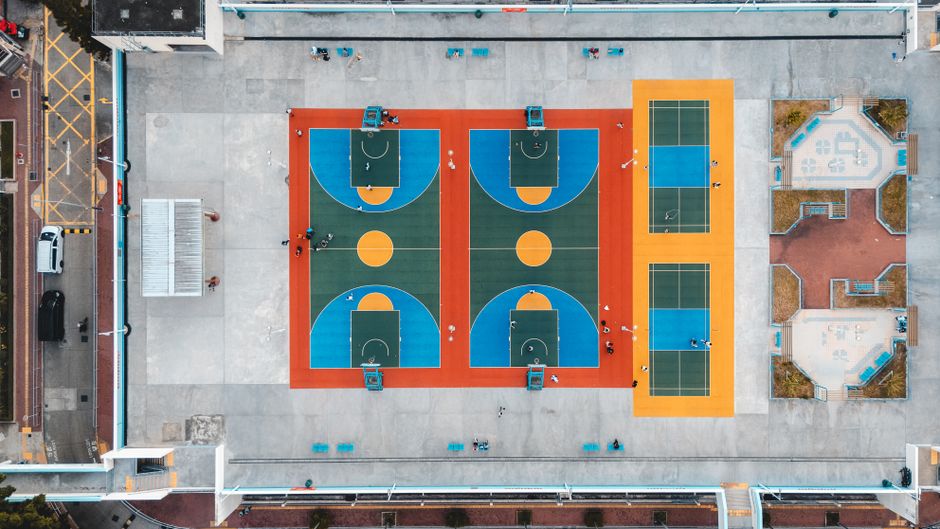
The fitness landscape across Hong Kong has undergone a seismic transformation over the past three years, according to emerging participation data that reveals far more than simple membership numbers—it tells the story of a city redefining what wellness means.
Industry figures suggest that boutique fitness studios now account for approximately 35% of gym-goers in premium districts like Central and Causeway Bay, a sharp rise from just 18% in 2023. Meanwhile, traditional large-format gyms have seen membership plateau, even as overall fitness participation climbs. The shift is particularly pronounced in neighbourhoods like Sheung Wan and Mid-Levels, where converted warehouse spaces have become home to specialized studios focused on everything from high-intensity interval training to pilates and yoga.
What does this tell us? Hong Kong's affluent, time-poor professionals increasingly favour efficiency over variety. A 90-minute boutique class commanding HK$280-350 per session now outsells unlimited monthly memberships at sprawling facilities. The data suggests we're willing to pay premium prices for curated experiences, expert instruction, and community—a marked departure from the utilitarian gym model that dominated the 2010s.
Participation across outdoor and community-based fitness has also spiked unexpectedly. The Hong Kong Parks and Recreation Department reported a 42% increase in usage of public fitness zones in Victoria Park and Kowloon Park since early 2025, while running clubs meeting at Sunday morning venues like the Central Waterfront and Lugard Road have nearly doubled in size.
Perhaps most intriguingly, data reveals a growing gender-parity trend. Women now represent 48% of gym memberships across Hong Kong, up from 41% five years ago—particularly dominant in boutique spaces where female participation reaches 62%. This represents a fundamental cultural shift in how local women engage with public fitness spaces.
The numbers also expose stark geographic divides. While districts like Admiralty, Wan Chai, and Mong Kok boast saturated fitness markets with premium options aplenty, outer neighbourhoods including Tseung Kwan O and Tin Shui Wai remain underserved, with participation rates 30% below the urban average.
What emerges from this data is a portrait of a city fragmenting into distinct fitness tribes: the boutique devotees seeking status and specialization; the outdoor enthusiasts embracing free, public alternatives; and an underserved majority in newer towns seeking affordable, accessible options. Understanding these participation patterns isn't merely about gym economics—it reflects Hong Kong's evolving class structures, time poverty, and increasingly individualized approach to community and wellness.
This article was compiled by AI from the sources linked above and screened before publishing. See our editorial standards.