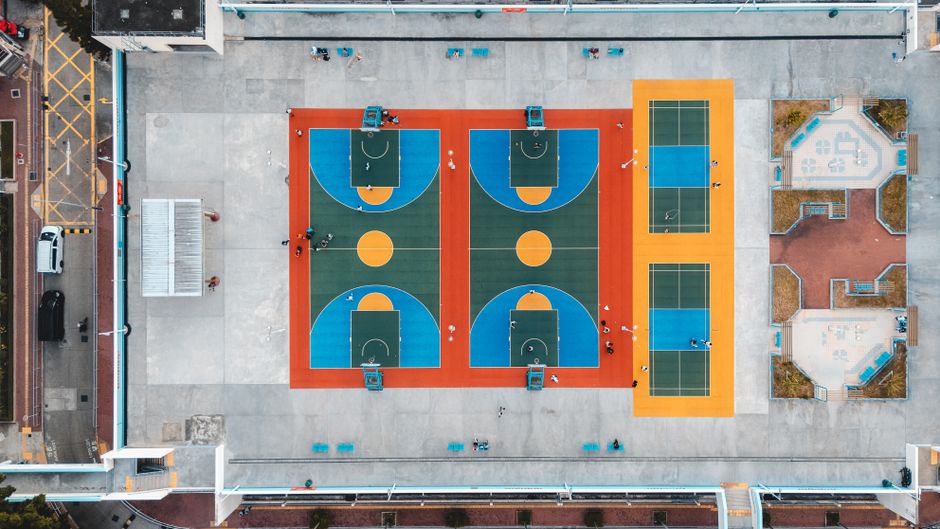
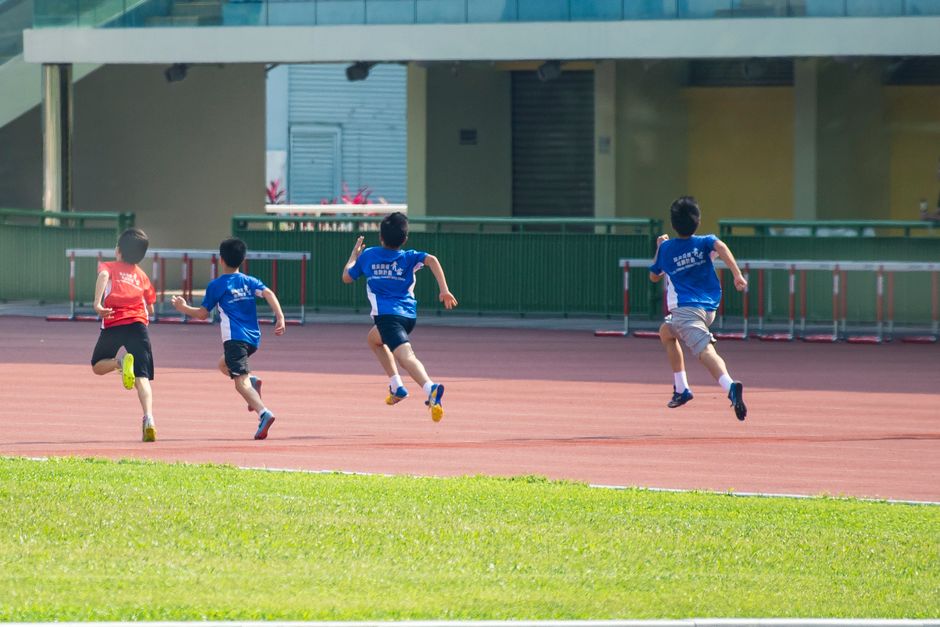
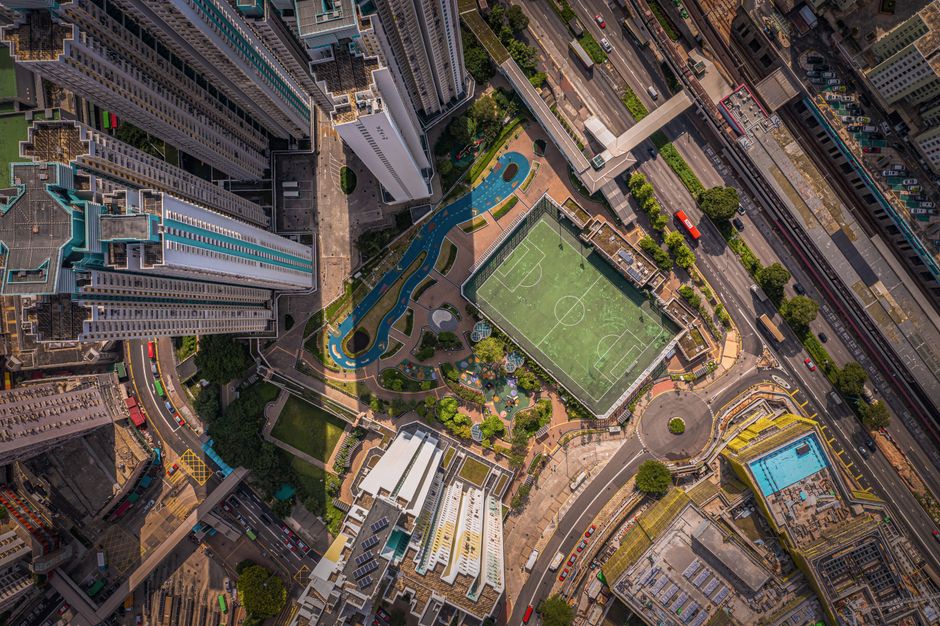
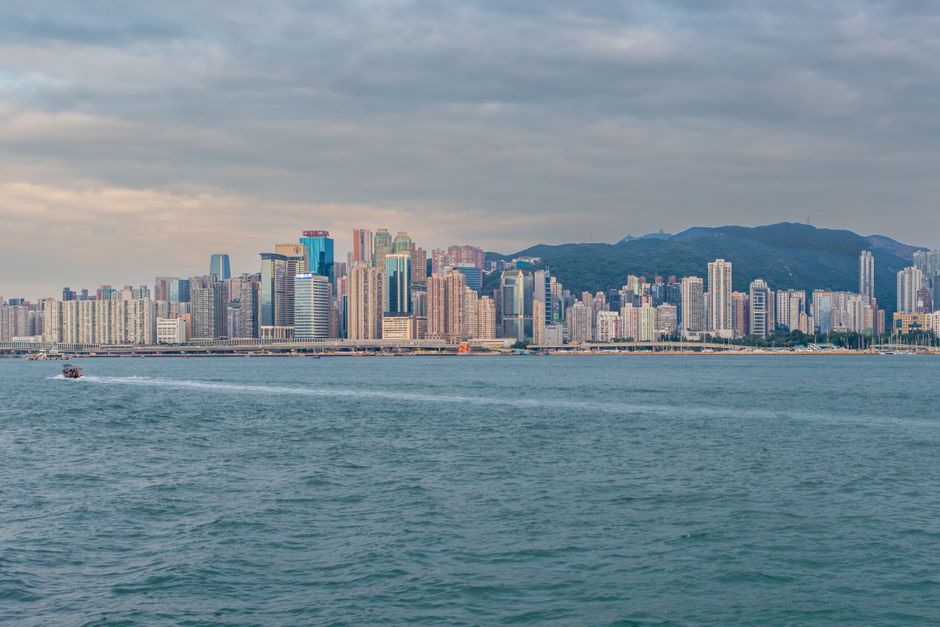
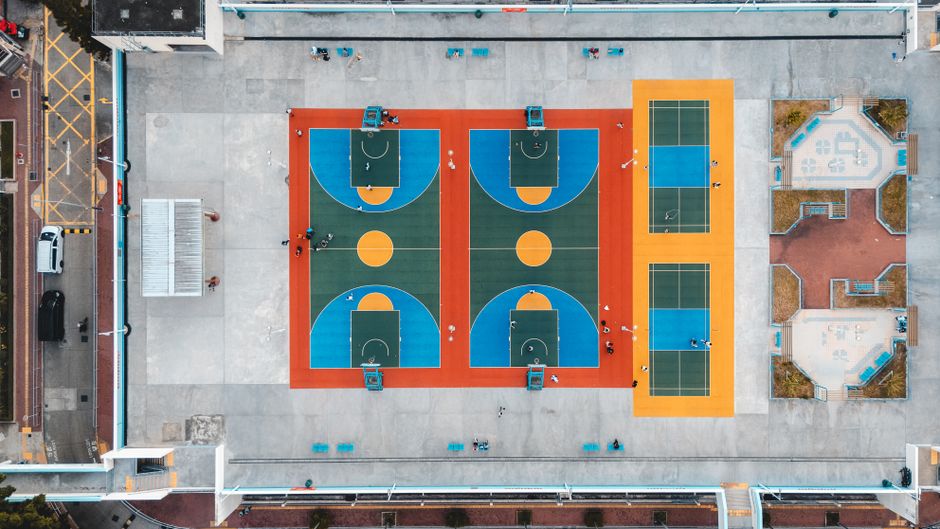
Walk past any public sports ground across Hong Kong on a weekend morning, and you'll witness the quiet revolution reshaping youth sport in the territory. While elite academies dominate headlines, it's the neighbourhood clubs—operating from cramped courts in Sham Shui Po, grass pitches in Tseung Kwan O, and waterfront facilities along the Victoria Harbour foreshore—that are quietly building the next generation of athletes and, more importantly, creating social infrastructure that binds communities together.
The numbers tell a compelling story. According to the Sports Federation and Olympic Committee of Hong Kong, China, membership in community-based youth sports clubs has grown by approximately 23 per cent over the past three years, with participation rates among under-18s reaching levels not seen since the early 2010s. Clubs operating from district leisure centres in areas like Kwun Tong, Yau Tsim Mong, and Eastern District are reporting waiting lists for programmes ranging from badminton and table tennis to basketball and football.
Take the example of clubs nestled in the densely populated districts. Facilities at Victoria Park in Causeway Bay and Kowloon Park in Tsim Sha Tsui—traditionally underutilised during off-peak hours—are now fully booked by youth development programmes. Monthly coaching fees typically range from HK$400 to HK$800 per child, making structured sport financially accessible to working families across the territory's diverse neighbourhoods.
What distinguishes these grassroots operations is their emphasis on community integration rather than pure performance metrics. Many clubs now operate mentorship schemes pairing older teenagers with younger participants, creating vertical social networks within neighbourhoods. Some have extended their remit beyond sport, offering tutoring support and mental wellness programmes—addressing the holistic needs of Hong Kong's young people in an increasingly pressured environment.
The infrastructure investment has been significant. District councils and the Leisure and Cultural Services Department have upgraded facilities in areas from Sha Tin to Sai Kung, while grassroots clubs have increasingly leveraged private sponsorship and corporate partnerships to supplement government funding. This collaborative model has proven sustainable, allowing clubs to maintain affordable access while improving coaching standards.
Perhaps most meaningfully, these clubs serve as genuine neighbourhood anchors. Parents volunteer as coaches and administrators; teenagers develop leadership skills through peer mentoring; younger children discover sport within walking distance of home. In an era when Hong Kong youth increasingly face isolation and screen-dependency, the simple act of gathering weekly at a local sports ground—building friendships, developing discipline, and contributing to something bigger than themselves—carries profound social value.
The grassroots revolution isn't about producing Olympic medallists, though some participants will certainly pursue elite pathways. It's about weaving sport into the fabric of neighbourhood life, ensuring every child from Aberdeen to Ap Lei Chau has genuine access to organised, quality coaching and community belonging.
This article was compiled by AI from the sources linked above and screened before publishing. See our editorial standards.