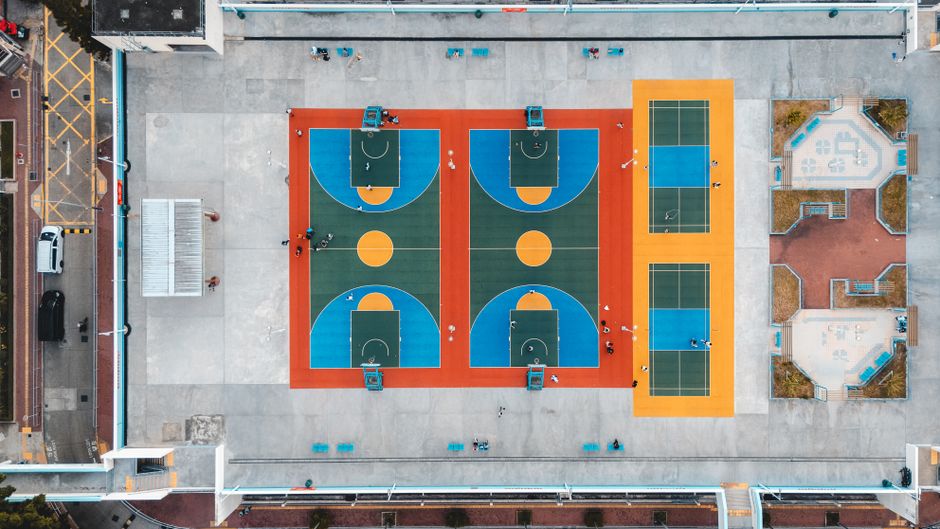
On Tuesday evenings, the cramped concrete pitch behind Sham Shui Po Community Centre transforms into something magical. Under flickering floodlights, teams with names like "Mong Kok Mavericks" and "Soy Sauce FC" battle for bragging rights in the Kowloon District Amateur League—a competition that has quietly become the heartbeat of football culture in neighbourhoods most tourists never visit.
This is where Hong Kong's real football story lives. While the city's professional league draws headlines and corporate sponsorship, it is the grassroots movement—organised largely by volunteers and funded through modest membership fees of HK$500-800 per season—that has truly transformed how ordinary Hongkongers engage with the sport.
"We've grown from 12 teams in 2019 to 47 teams across seven districts," says Wong Man-kit, coordinator of the Hong Kong Grassroots Football Alliance, a network of community leagues that operate independently of the Hong Kong Football Association. "People want to play. They want to belong to something."
The figures tell a striking story. Participation in neighbourhood football leagues has surged 340 percent over the past five years, according to data from the Community Sports Club Association. Saturday mornings at Victoria Park now see simultaneous matches on five pitches. Similar scenes play out at Tuen Mun Stadium and the artificial grounds in Sha Tin.
What makes this movement remarkable is its accessibility. Unlike youth academies charging thousands monthly, grassroots leagues charge registration fees that cover referee fees and pitch maintenance. A 40-year-old accountant from Causeway Bay plays alongside a 22-year-old courier from Mong Kok. Office workers, domestic helpers during their days off, construction workers, and retirees share the same pitch.
"Football became exclusive here," explains Li Siu-wan, who founded "Women's Boots," Hong Kong's first volunteer-run women's grassroots league in 2021, now with 23 participating teams. "You either played for your school, or you didn't play. We wanted to change that."
The social impact extends beyond statistics. Community centres report improved mental health outcomes among regular players. Local businesses sponsor teams. Neighbourhoods that rarely interacted now share post-match meals.
As professional football globally grapples with commercialisation and inequality, Hong Kong's grassroots movement offers a counter-narrative: football as genuine community infrastructure, requiring only determination, volunteer hours, and passion.
The beautiful game, it turns out, thrives in the spaces nobody thought to look.
This article was compiled by AI from the sources linked above and screened before publishing. See our editorial standards.