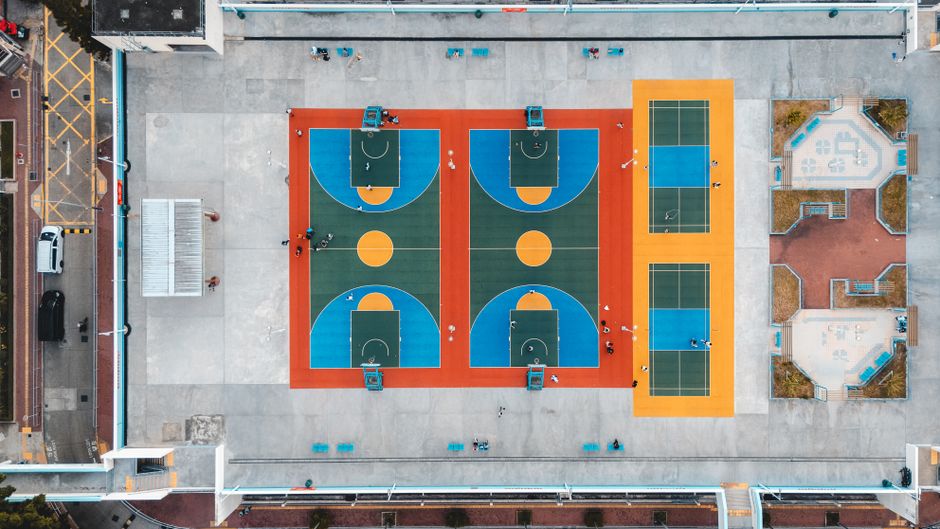
Hong Kong's sporting landscape has long been anchored by a handful of iconic venues, yet behind the gleaming exteriors of these facilities lies a complex infrastructure challenge that demands immediate attention. As the city positions itself as a premier Asian sporting destination, questions about the adequacy and modernisation of its venues have become increasingly urgent.
The Hong Kong Stadium in So Kon Po remains the flagship venue, with a 40,000 capacity that hosts everything from rugby sevens to pop concerts. Yet the facility, built in 1994, is showing its age. Meanwhile, the Victoria Park Sports Centre in Causeway Bay and the newer Hong Kong Coliseum in Hung Hom continue to operate near maximum capacity during major events. The Jockey Club Sports Centre on Caroline Hill Road and numerous district sports facilities across Wan Chai, Mong Kok, and Tuen Mun serve recreational athletes, though funding constraints have limited recent upgrades.
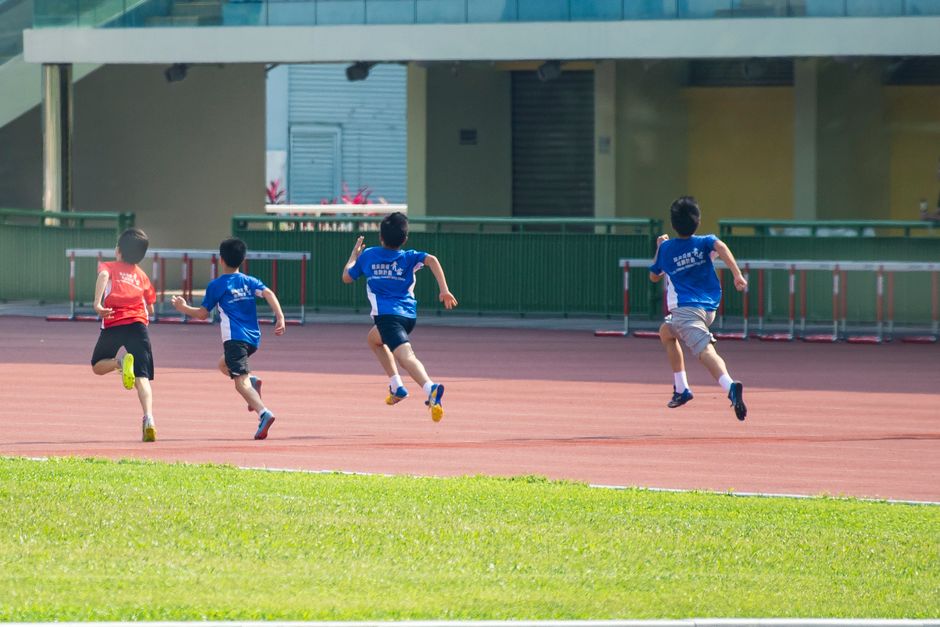
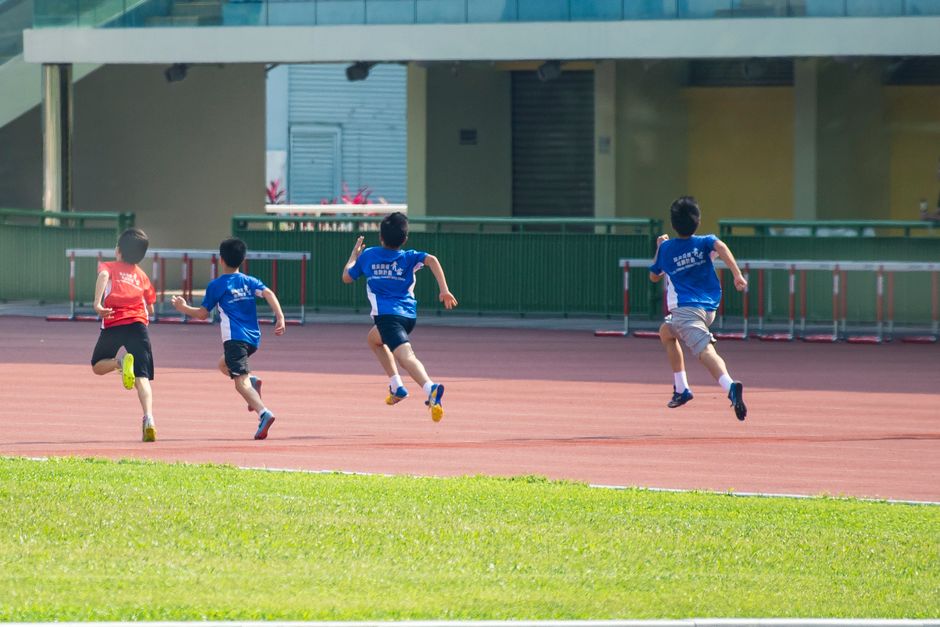
Infrastructure investment has been piecemeal. The Hong Kong Sports Institute in Sha Tin, renovated in recent years, provides world-class training facilities for elite athletes at an estimated annual operational cost of HK$400 million. Yet grassroots venues—the basketball courts in public housing estates, the swimming pools managed by the Leisure and Cultural Services Department—operate with stretched budgets that often defer maintenance.
The cost implications are significant. A comprehensive audit of major venues would likely reveal billions of dollars in deferred capital works. New multipurpose facilities require climate control systems, enhanced security infrastructure, and accessibility upgrades to meet international standards. Premium seating, technology integration, and broadcasting capabilities have become non-negotiable for venues competing for marquee events.
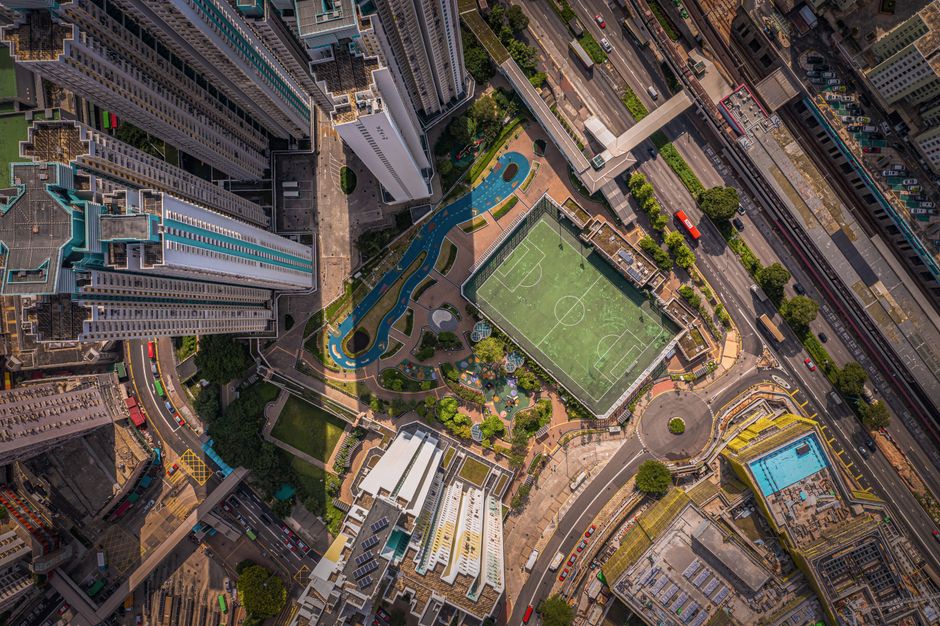
What distinguishes Hong Kong's challenge is geographic constraint. Unlike mainland cities with sprawling development zones, Hong Kong must work within limited land availability. The proposed expansion of sports facilities has often collided with residential and conservation concerns, as seen in discussions around potential upgrades to venues in areas like Stanley and Repulse Bay.
Recent months have seen renewed focus on venue modernisation as Hong Kong seeks to host more international competitions. The Rugby Sevens, established since 1976, requires world-standard facilities. Cricket, badminton, and table tennis communities have similarly articulated infrastructure needs.
The path forward requires strategic prioritisation. Which venues justify significant capital investment? Which facilities can be repurposed or co-located? These questions will define Hong Kong's sporting future. As other Asian cities invest heavily in next-generation stadiums, Hong Kong's aging infrastructure—once a source of pride—risks becoming a competitive liability unless decisive action is taken soon.
This article was compiled by AI from the sources linked above and screened before publishing. See our editorial standards.