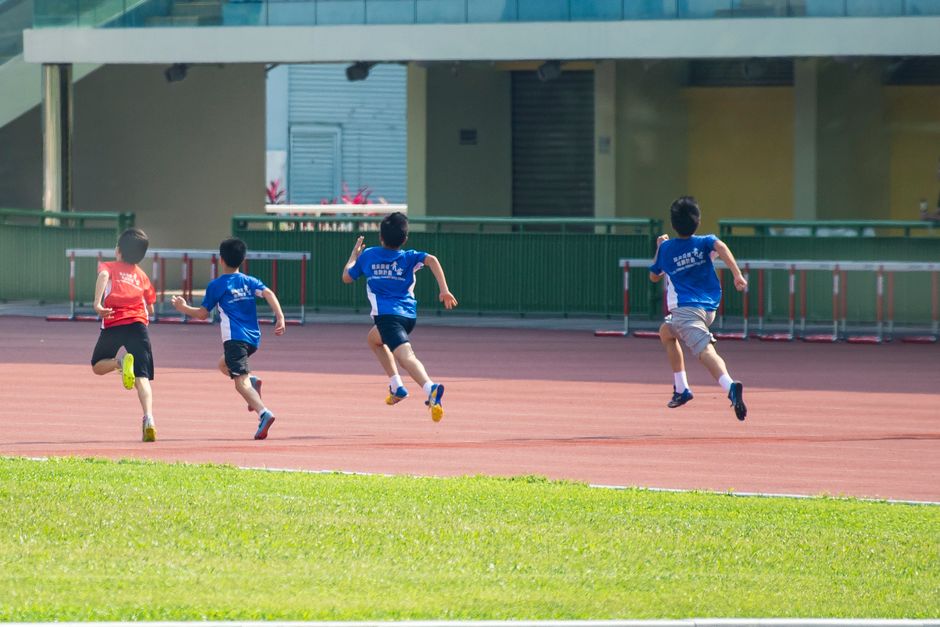
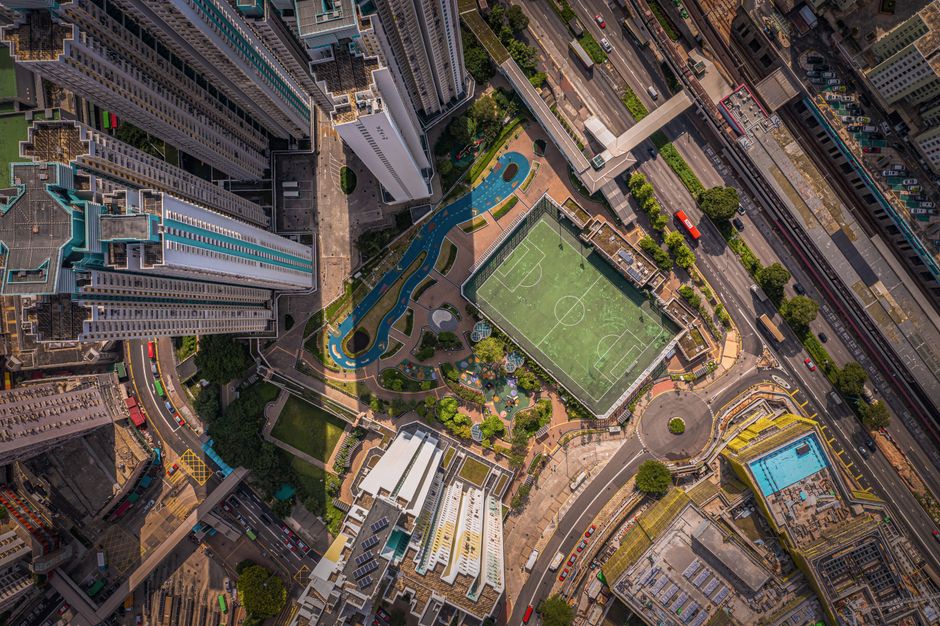
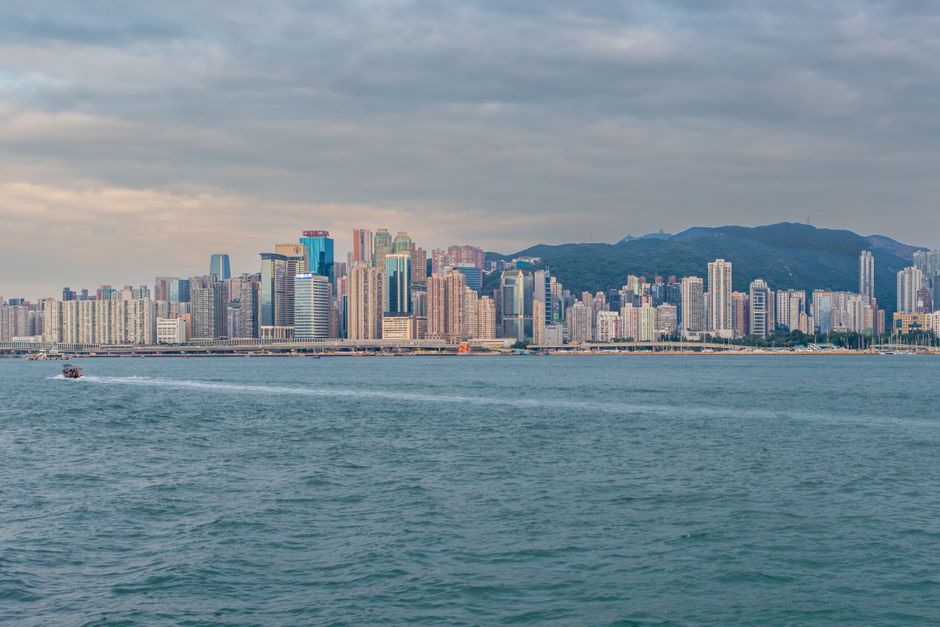
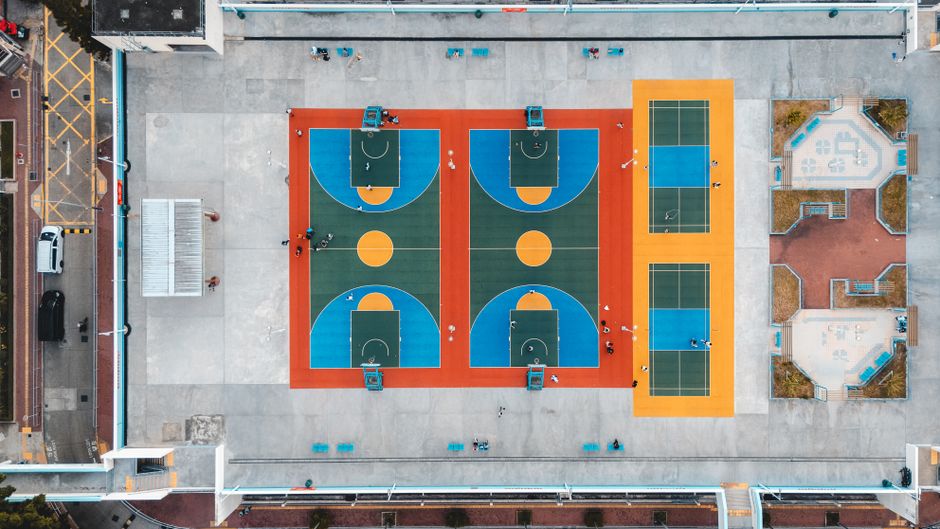
Hong Kong's fitness landscape has undergone a dramatic transformation over the past five years, with a proliferation of specialized training facilities transforming how the city's 7.5 million residents approach sport and wellness. What was once dominated by traditional Chinese martial arts studios and modest neighbourhood gyms has evolved into a sophisticated ecosystem of boutique fitness centres, CrossFit boxes, and Olympic-standard training grounds.
The shift reflects both growing disposable income and changing health consciousness among Hong Kong residents. Premium gym memberships in Central and Admiralty now command monthly fees of HK$1,500–2,500, with established chains like California Fitness and newer contenders operating state-of-the-art facilities across all major districts. Yet the infrastructure boom extends far beyond luxury chains.
Take Kwun Tong's industrial waterfront, where converted warehouses now house cutting-edge CrossFit and functional fitness studios catering to the city's younger demographic. Similarly, the Sports Institute in Sha Tin—run by the Hong Kong Sports Development Board—provides world-class facilities for elite athletes preparing for international competition. These venues have become training grounds not just for local competitors but for regional athletes leveraging Hong Kong's position as an Asia-Pacific hub.
The public sector has also stepped up significantly. The Leisure and Cultural Services Department operates over 70 sports centres across the territory, offering swimming pools, badminton courts, and multipurpose halls at heavily subsidized rates—typically HK$20–50 per session. This accessibility has democratized fitness in ways that private facilities alone could never achieve, ensuring training infrastructure isn't exclusively for the wealthy.
Tennis facilities in the New Territories, particularly around Sai Kung and Tai Po, have expanded dramatically to support growing participation in the sport. Meanwhile, cycling infrastructure along the New Territories' developing networks has attracted serious road cyclists and mountain bikers, with facilities clustering around places like Tai Lam and Tai Mo Shan.
But challenges remain. Space constraints mean many facilities operate at or near capacity during peak hours—early mornings and evenings see hour-long waiting lists at popular Central locations. Rising rents also threaten smaller, independent gyms in mid-tier neighbourhoods like Mong Kok and Causeway Bay.
Nevertheless, the overall trajectory is unmistakable. Hong Kong's investment in gym infrastructure and training venues has created a competitive advantage for local athletes while embedding fitness more deeply into the city's daily culture. As the 2026 sporting calendar intensifies, these facilities will be crucial not only for preparing Hong Kong's representatives but for sustaining the fitness momentum that's reshaping how the city moves.
This article was compiled by AI from the sources linked above and screened before publishing. See our editorial standards.