The Hong Kong Swimming Club's junior contingent has set the local aquatic community abuzz with an unexpectedly dominant performance at the Southeast Asian Open Water Swimming Championships held in Manila last month. The Shatin-based organisation, traditionally overshadowed by larger institutions on Hong Kong Island, fielded a team of 14 swimmers aged 14 to 17 who collectively secured five medals—including two golds—signalling a potential shift in the territory's competitive swimming landscape.
The breakthrough comes as the club, which operates from its renovated facility near the Shatin waterfront, has invested substantially in coaching infrastructure over the past two years. With a membership base that has grown from 320 to over 850 active swimmers since 2024, the organisation now fields competitive squads across multiple disciplines, from pool racing to open water events.
Local swimming aficionados note the significance of this development. Hong Kong's aquatic scene has long been dominated by schools and government-backed programmes centred in Central and Happy Valley, where facilities like the Victoria Park Swimming Pool have trained elite swimmers for decades. Yet the HKSC's recent ascent reflects broader demographic shifts, with more families from the New Territories investing in structured coaching programmes closer to home.
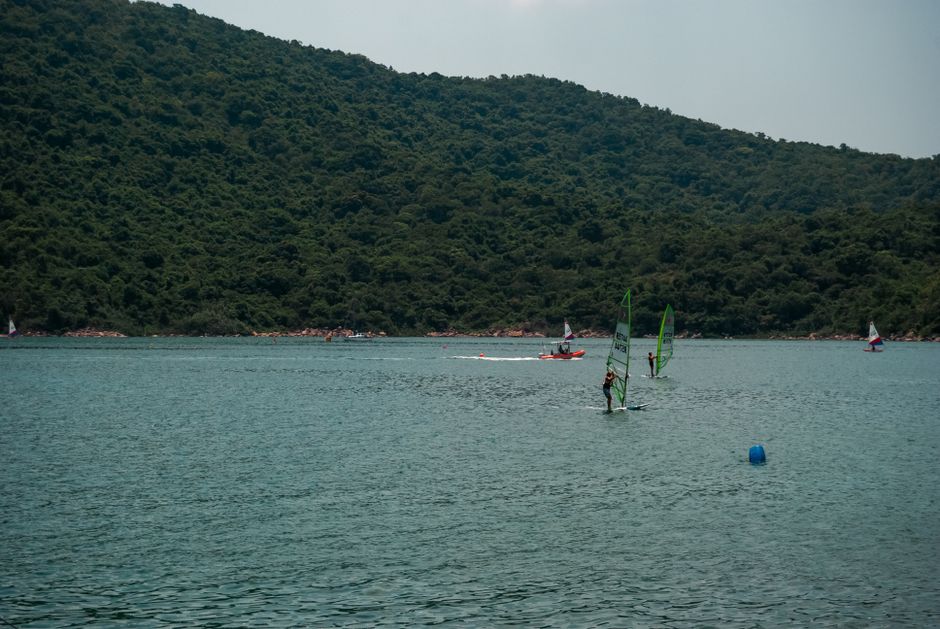
The club's open water programme, launched just eighteen months ago, has particularly captured attention. Open water swimming—typically contested in harbours or purpose-built venues rather than pools—remains a niche discipline in Hong Kong, though growing interest in triathlon and endurance sports has widened its appeal. The team's success in Manila suggests the territory now has depth beyond its traditional pool-based talent pipeline.
Membership fees at HKSC range from HK$1,800 to HK$3,200 monthly depending on age and training intensity, positioning the club as accessible to middle-class families while maintaining competitive standards. That price point has helped attract talent from across the New Territories—Tai Po, Fanling, and even further afield.
Regional observers are watching closely. The club has already qualified five swimmers for the Asian Junior Championships scheduled for Bangkok in November, and there is speculation about potential Olympic pathway implications as selection cycles for the 2028 Los Angeles Games begin taking shape.
While Hong Kong's major sporting focus typically gravitates toward football, badminton, and horse racing, the HKSC's emergence highlights how sustained investment and grassroots development can yield competitive rewards even in sport's quieter disciplines. Their next major test comes in August, when the squad competes at the Hong Kong Age Group Swimming Championships at Kowloon Park.
This article was compiled by AI from the sources linked above and screened before publishing. See our editorial standards.