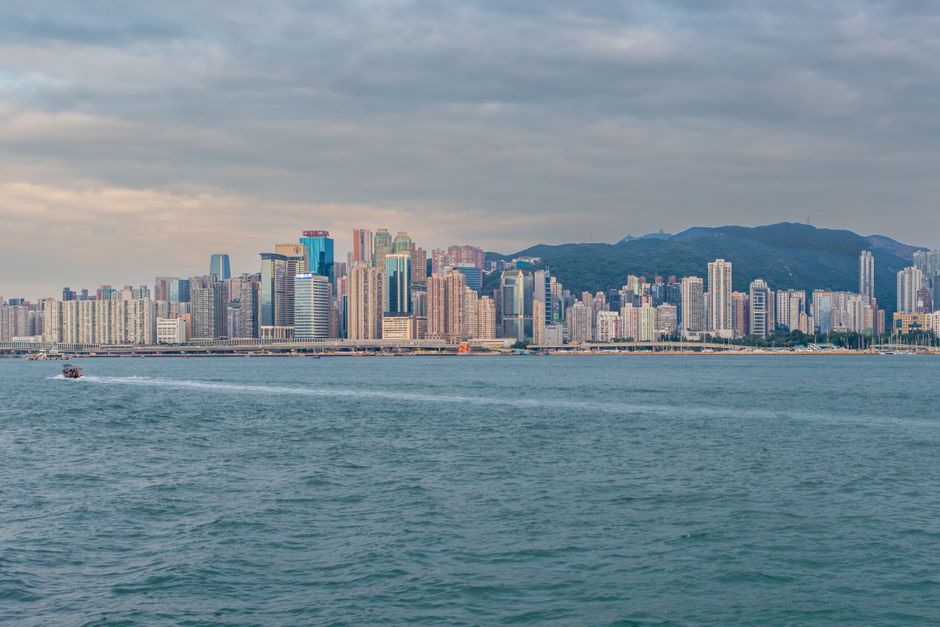
Hong Kong's sporting heartbeat depends on a network of facilities stretched across some of the world's most expensive real estate, and as local clubs report record participation, questions are mounting about whether the infrastructure can keep pace.
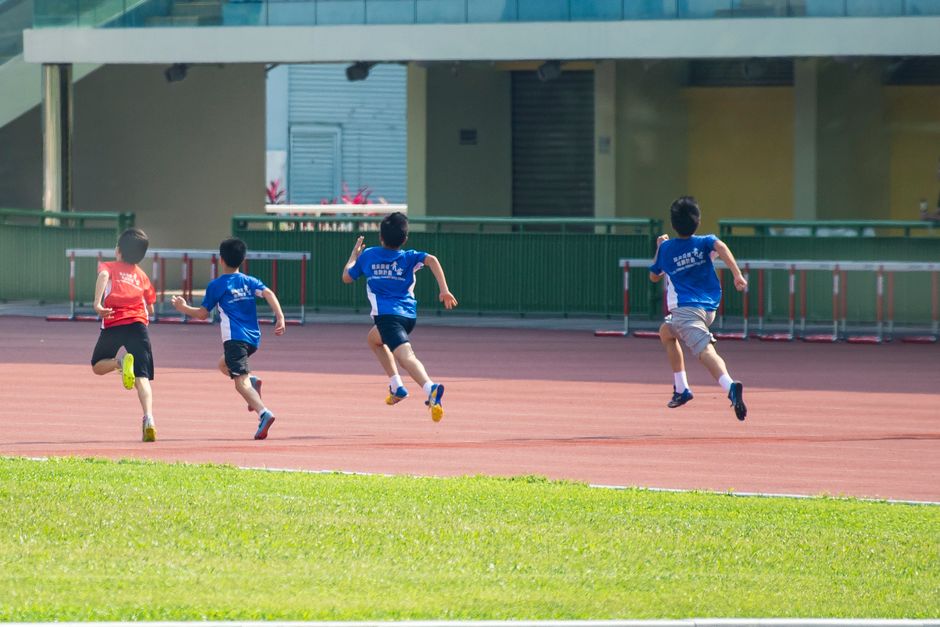
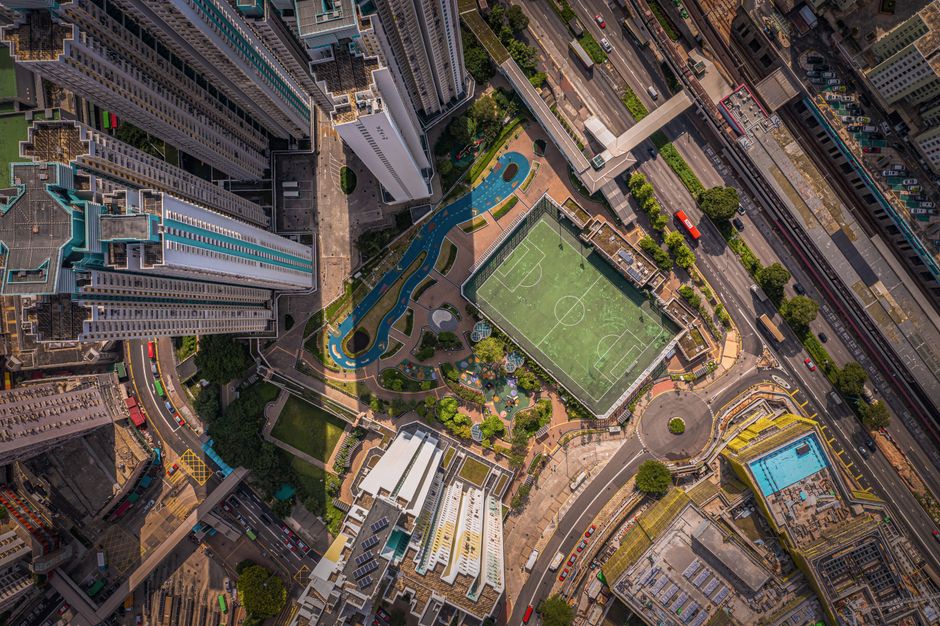
The Hong Kong Football Association oversees more than 500 registered clubs, yet the territory's primary venues remain concentrated in predictable locations. Victoria Park in Causeway Bay continues to host weekend league matches, while the Hong Kong Stadium in So Kon Po, Causeway Bay—capacity 40,000—remains the flagship venue for major fixtures. However, pitches across the New Territories face maintenance backlogs, with clubs in Sha Tin and Tuen Mun reporting scheduling conflicts that stretch into late evening hours.
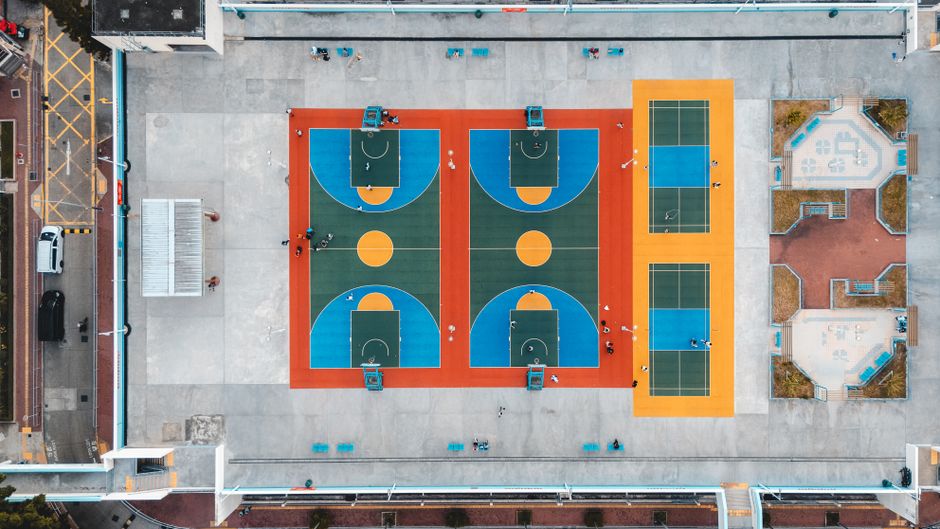
Badminton participation has surged particularly sharply. The Hong Kong Badminton Association recorded a 34% increase in club membership over the past three seasons, yet dedicated courts remain clustered in aging leisure centres. Facilities in Mong Kok and Jordan operate at near-maximum capacity during peak hours, with some clubs reporting waiting lists exceeding six months for court time. Monthly fees for private badminton clubs in central locations now exceed HK$1,200 per player.
Rugby union has experienced an unexpected renaissance following Hong Kong's hosting of regional championships. The Hong Kong Rugby Union Football Club operates the territory's premier ground in So Kon Po, but allied clubs in Kowloon have limited access to grass pitches suitable for training. Sand-based alternatives at leisure centres in Kwai Chung and Ap Lei Chau serve as workarounds, though many coaches argue these compromise player safety and skill development.
Swimming facilities present another bottleneck. While the Leisure and Cultural Services Department operates 44 public pools territory-wide, competitive swimmers increasingly rely on private clubs. The Hong Kong Swimming Club in Midlevels and the Aberdeen Sports Centre remain the training hubs for elite athletes, creating geographical inequality that disproportionately affects outlying districts.
The Hong Kong Sports Commission's five-year infrastructure plan, due for review in 2027, has become a focal point for facility operators and coaches. Proposals include upgrading artificial pitch surfaces in Tseung Kwan O and expanding badminton court availability in Eastern District. Meanwhile, closure of the aging Kowloon Cricket Club's auxiliary ground last year displaced three local clubs temporarily, highlighting how Hong Kong's constrained geography leaves little room for redundancy.
As clubs report waiting lists and scheduling chaos, sports administrators face an uncomfortable reality: Hong Kong's sporting ambitions may soon outpace its ability to house them.
This article was compiled by AI from the sources linked above and screened before publishing. See our editorial standards.