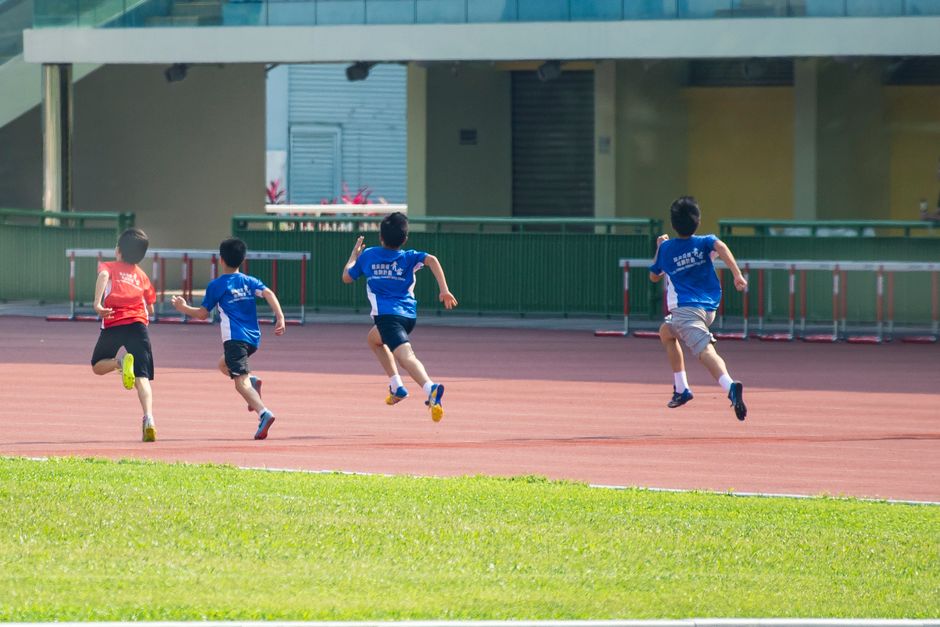
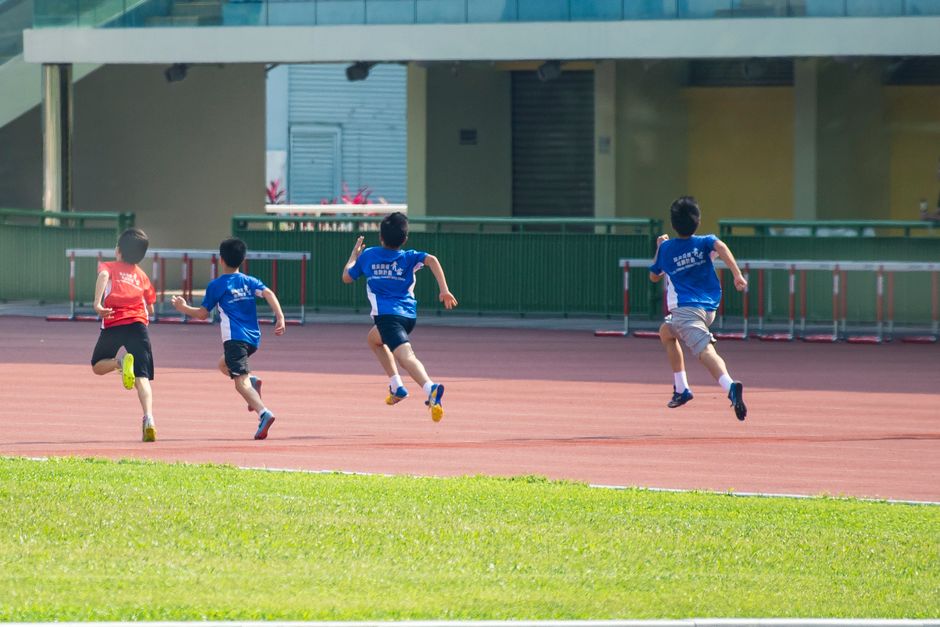
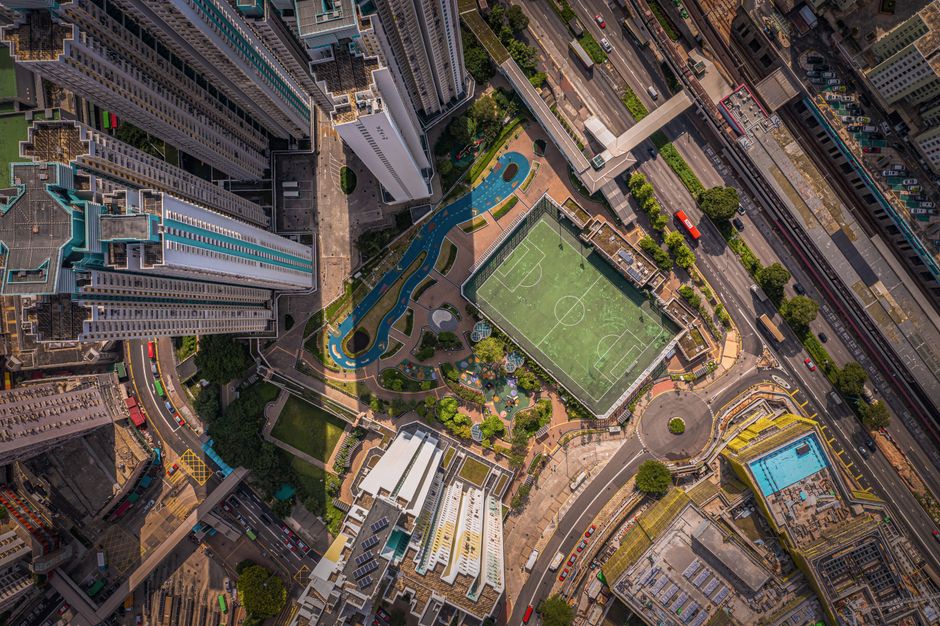
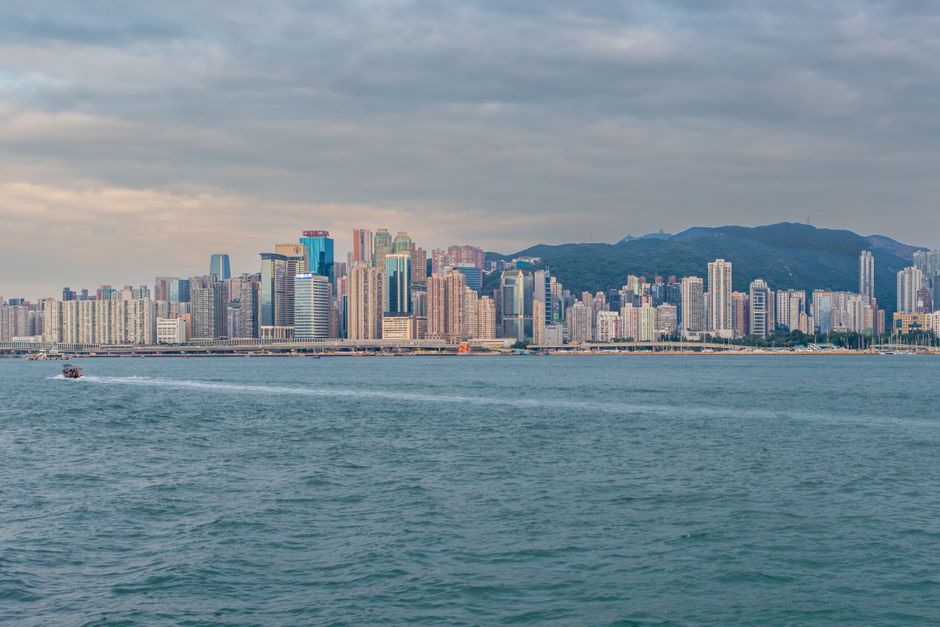
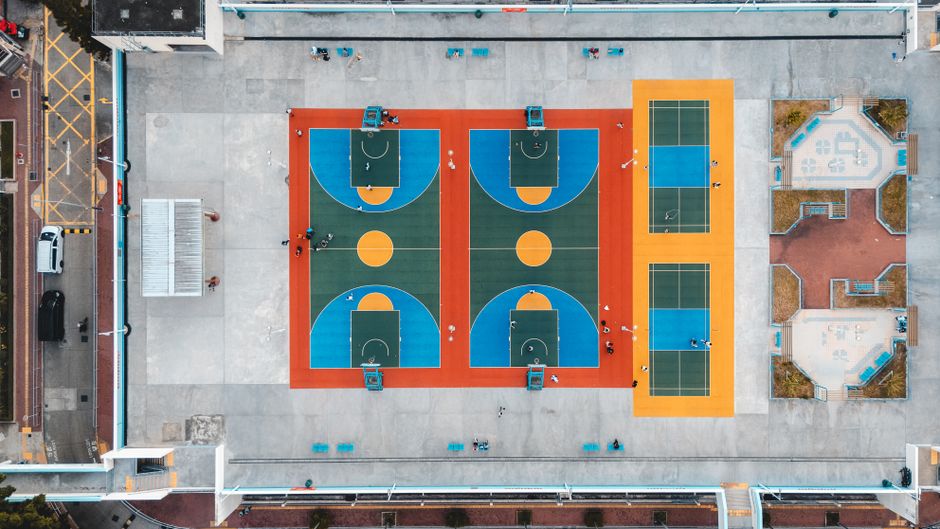
Hong Kong's recreational sports scene is booming. From futsal leagues in Mong Kok to dragon boat clubs along the Victoria Harbour waterfront, amateur athletes are more organised and competitive than ever. Yet beneath this vitality lies a troubling reality: the physical infrastructure supporting these thousands of weekend warriors is creaking under pressure.
The Hong Kong Football Association oversees roughly 380 registered amateur clubs, feeding into district-level leagues across all 18 territories. Similarly, the Hong Kong Badminton Association counts over 200 affiliated clubs. These organisations depend almost entirely on public sports facilities—courts, pitches, and halls operated by the Leisure and Cultural Services Department—which have seen minimal expansion in the past decade despite surging participation rates.
The Mathematics is stark. Popular venues like the Kowloon Park Sports Centre in Tsim Sha Tsui and the Victoria Park Sports Centre in Causeway Bay operate at near-capacity most evenings. Booking a squash court during peak hours often requires reservations weeks in advance. Indoor badminton courts in Wan Chai command fees of around HK$160 per hour, pricing out casual players and smaller clubs with limited budgets.
"We're managing with what we have, but it's not sustainable," said one administrator from a mid-tier basketball club operating across three districts. Clubs increasingly rent private facilities in industrial buildings—notably clusters along Des Voeux Road West in Sai Wan and Kowloon Bay—at significantly higher rates, squeezing their operating margins.
Neighbourhood-level infrastructure tells another story. The Sport for All scheme provides subsidised access to community halls, but many are booked solid months ahead. Estate basketball courts in public housing estates like Tuen Mun and Kwun Tong remain popular precisely because they're free, yet receive inconsistent maintenance funding.
Positive momentum exists. The Jubilee Sports Centre in Kowloon Bay, which opened in 2018, demonstrated renewed investment potential. The proposed Kai Tak Sports Park—years into development—promises significant relief when it eventually delivers aquatic, field, and court facilities. Yet completion timelines remain uncertain.
Meanwhile, clubs adapt creatively. Some schedule training during off-peak morning slots. Others partner with secondary schools to access facilities outside school hours. Dragon boat clubs leverage natural water spaces unavailable to land-based sports.
For Hong Kong's recreational leagues to continue flourishing, policymakers must prioritise facility investment beyond flagship projects. Without strategic expansion of neighbourhood sports infrastructure, the grassroots momentum driving Hong Kong's sporting culture risks stalling.
This article was compiled by AI from the sources linked above and screened before publishing. See our editorial standards.