Hong Kong's sports landscape is experiencing a quiet revolution. While international fixtures continue to draw crowds to the Hong Kong Stadium in So Kon Po and the AsiaWorld Expo in Lantau, it is the neighbourhood clubs operating from intimate venues across the territory that are quietly reshaping how sport connects communities.
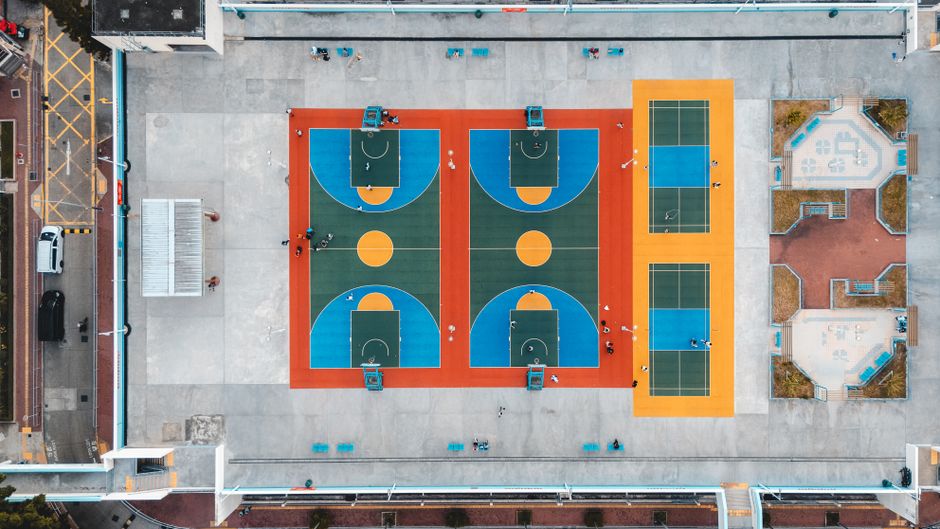
The renovation of the Kowloon Bay Sports Centre and expansion of facilities in Stanley and Wan Chai has created unprecedented opportunities for local clubs to expand their reach. The Kowloon Bay venue, which reopened last year after extensive upgrades, now hosts 12 resident sports associations—from badminton to table tennis—serving over 8,000 registered members across eastern Kowloon.
"We've seen participation spike by 40 per cent since the new facilities opened," says the community director at one longstanding Eastern District badminton club. The club, which operates from Quarry Bay Sports Centre, now runs eight weekly sessions catering to juniors, working professionals, and retirees—a demographic spread that would have been impossible in their former cramped venue.
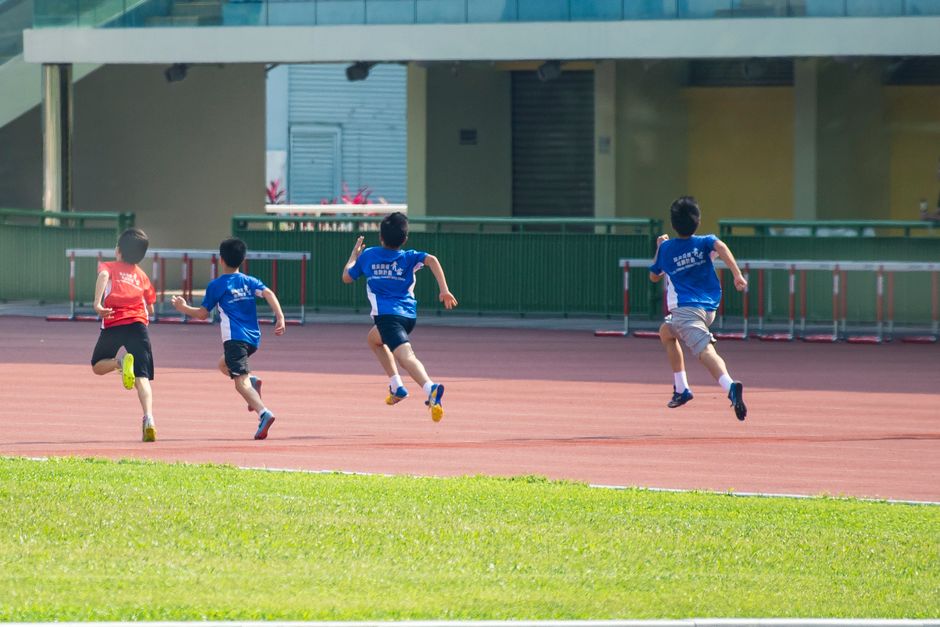
Victoria Park and Tuen Mun Sports Ground have similarly become focal points for grassroots development. Youth rugby clubs utilising Tuen Mun's recently upgraded pitches report that half their young players now progress to district representative teams. Membership fees—typically HK$300–600 monthly—remain affordable for working families, while scholarship programmes supported by corporate sponsors ensure socioeconomic barriers don't exclude talented athletes.
The model extends beyond traditional ball sports. Dragon boat clubs operating from Aberdeen Harbour and the Yau Ma Tei Typhoon Shelter have transformed their summer seasons into major community festivals, attracting thousands of spectators and fostering intergenerational participation. These clubs now actively mentor younger paddlers and organise land training at neighbourhood parks, embedding themselves into daily community life.
What distinguishes Hong Kong's current sporting moment is intentional infrastructure investment combined with club autonomy. Unlike the top-down model of previous decades, district councils now actively consult residents' associations and club leaders when planning renovations. The result: venues designed with user input, pricing structures that reflect neighbourhood demographics, and programming that reflects local identity.
The Sha Tin Sports Ground's recent expansion has similarly catalysed youth development across the New Territories, while smaller clubs operating from secondary school facilities after hours continue serving their core constituencies—sometimes with just 200–300 active members who form the backbone of neighbourhood sporting culture.
As Hong Kong positions itself for major international events, these grassroots organisations remind us that sport's greatest value isn't measured in stadium capacity or television ratings—it's built through weekly training sessions, community tournaments, and the relationships forged between neighbours united by shared passion.
This article was compiled by AI from the sources linked above and screened before publishing. See our editorial standards.