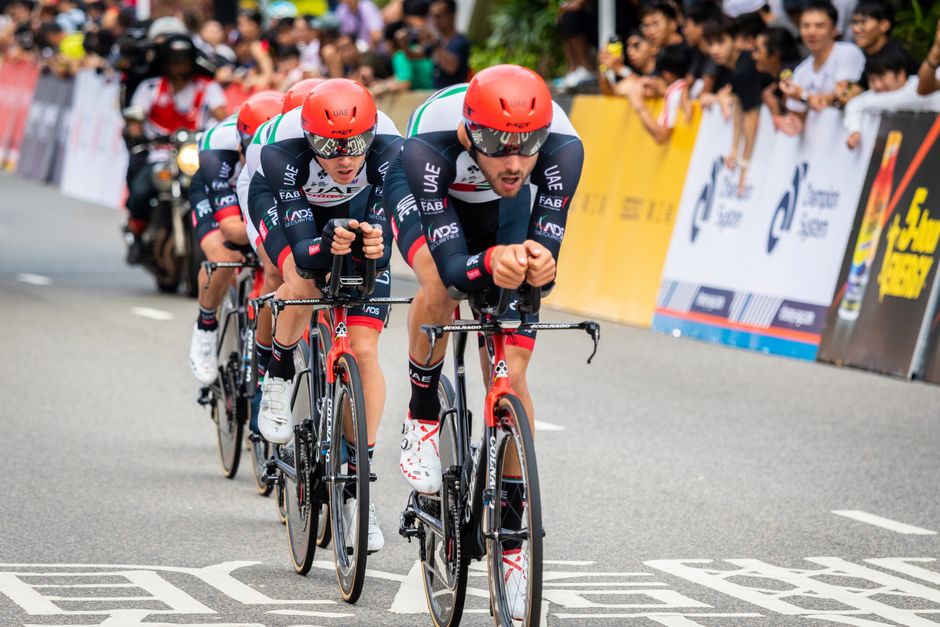
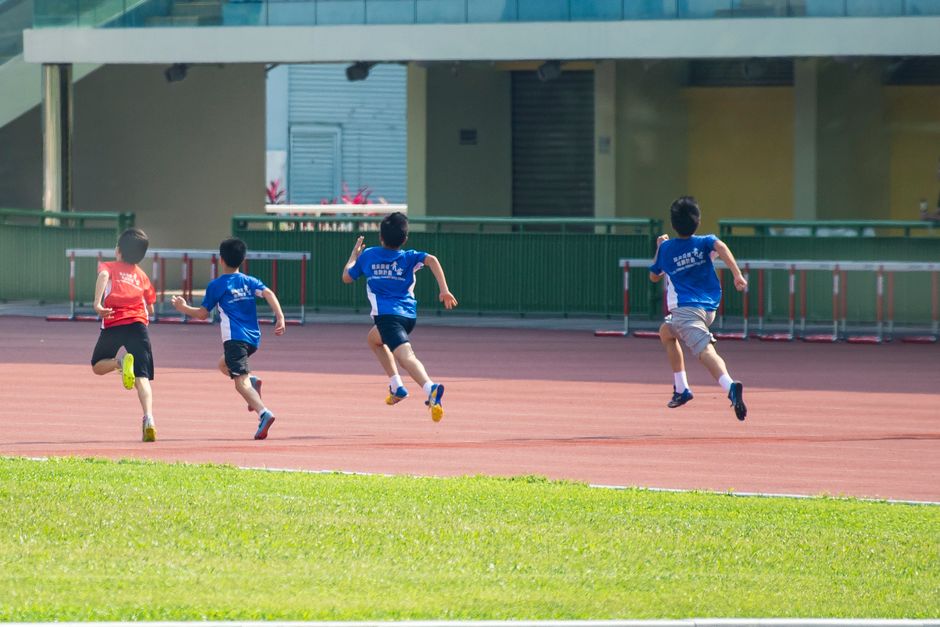
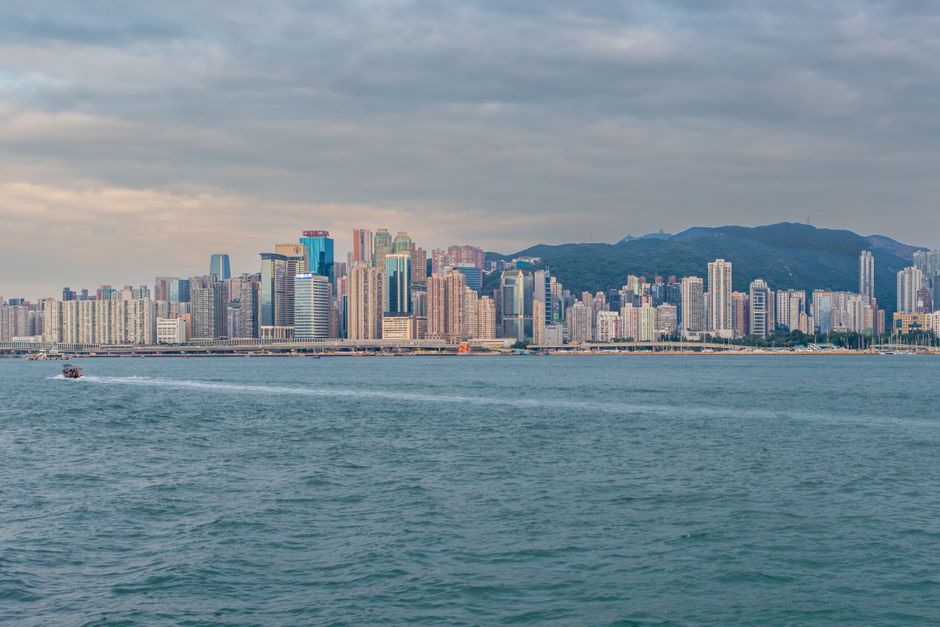
The numbers paint a striking picture. Hong Kong's Road Running Association recorded over 185,000 race finishers last year alone, a 34 percent jump from 2023. The Standard Chartered Marathon Hong Kong consistently attracts 70,000 participants. Meanwhile, cycling club memberships across the New Territories have surged by 41 percent since 2024, with groups based around the Tai Po waterfront and Sai Kung expanding faster than they can book group rides.
What's driving this endurance sport explosion, and what does it reveal about how Hong Kong residents are choosing to spend their time and money?
The data suggests a city increasingly hungry for structured fitness goals and community connection. The Hong Kong Triathlon Association has seen participation triple since 2020, with local events like the YMCA International Triathlon now attracting fields of 2,500 competitors. Entry fees—ranging from HK$850 for grassroots running races to HK$2,500 for international-standard triathlons—indicate disposable income isn't the barrier it might have been a decade ago.
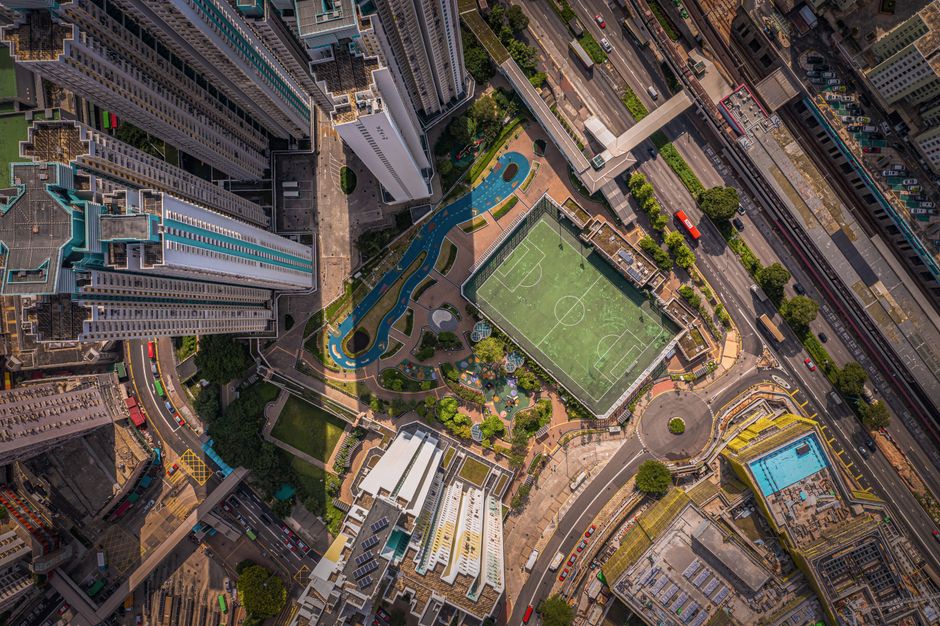
Geography matters too. Running clubs clustered around Victoria Park and the Jockey Club facilities in Causeway Bay dominate participation, but data shows explosive growth in outlying districts. Tolo Harbour cycling routes, the Lantau Island path network, and parkruns across Kowloon have democratised access. A parkrun costs nothing and attracts up to 1,500 participants weekly at popular venues.
But participation data conceals uncomfortable truths. Roughly 73 percent of local race participants are aged 25-45, predominantly professionals. The average triathlon competitor earns above HK$80,000 monthly—triathlon gear alone costs HK$15,000-plus to start properly. This is aspirational fitness for the affluent middle class.
Yet the overall trajectory is undeniable. The Sports Commission's latest Active Hong Kong survey shows 34 percent of residents now engage in regular endurance exercise, up from 19 percent in 2019. Running appears to be the gateway drug: it's cheap to start, sociable through club culture, and genuinely accessible across all neighbourhoods from Sheung Wan to Tseung Kwan O.
What this participation explosion really reflects is Hong Kong's hunger for wellness narratives in an otherwise high-stress city. We're not just running for fitness; we're running for mental health, for community, for achievement metrics we can control when so much feels beyond our grasp. The data shows a city investing heavily—in time, money and identity—in becoming healthier. Whether that's sustainable, or merely a trend among the privileged, remains the real question.
This article was compiled by AI from the sources linked above and screened before publishing. See our editorial standards.