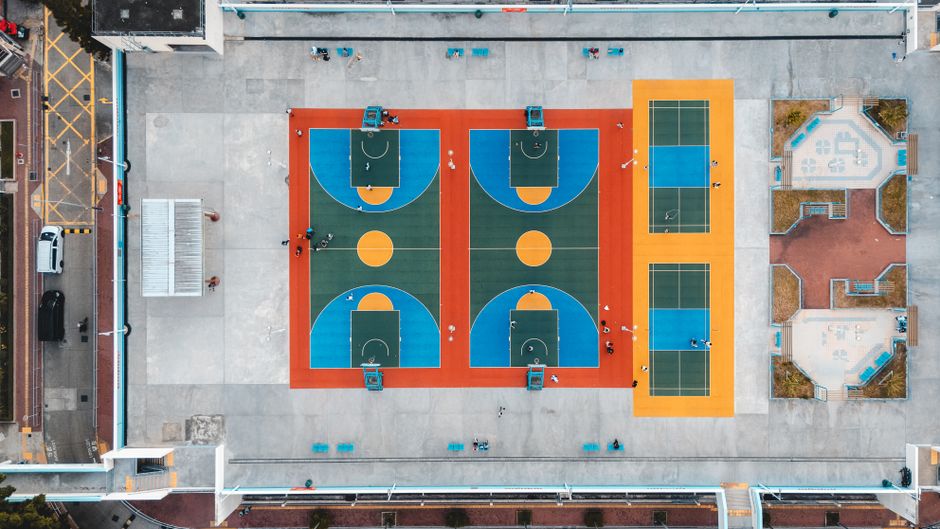
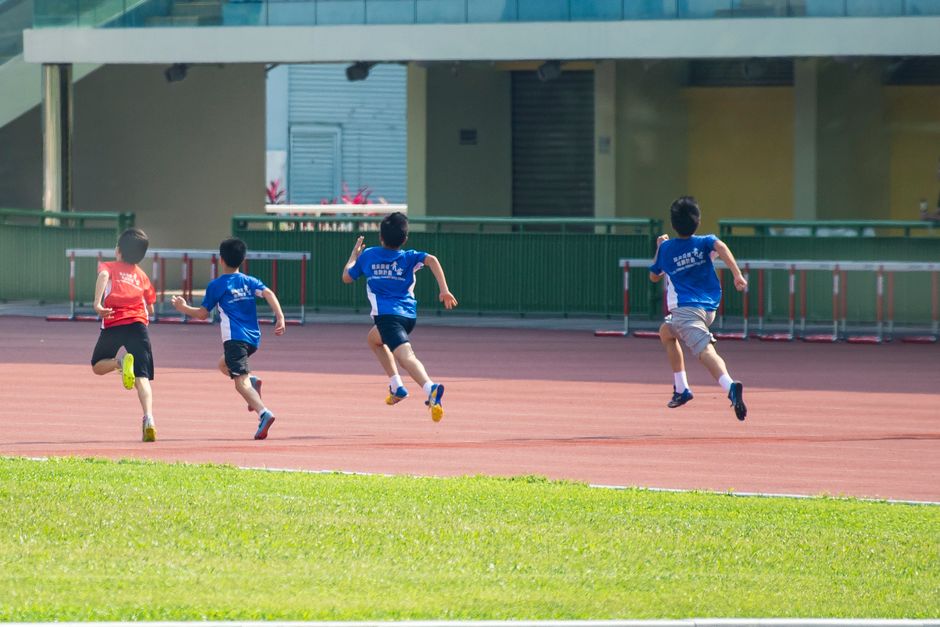
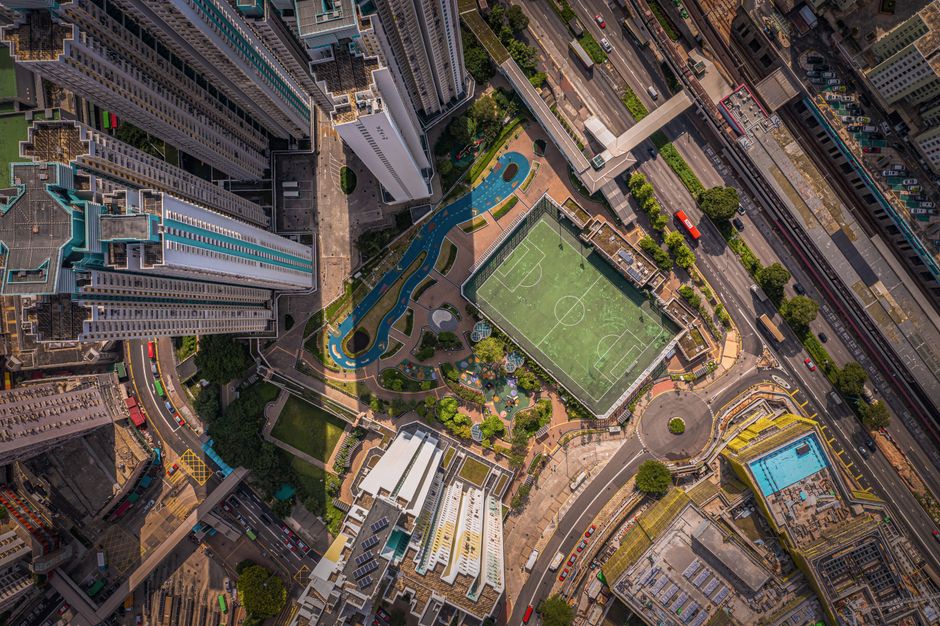
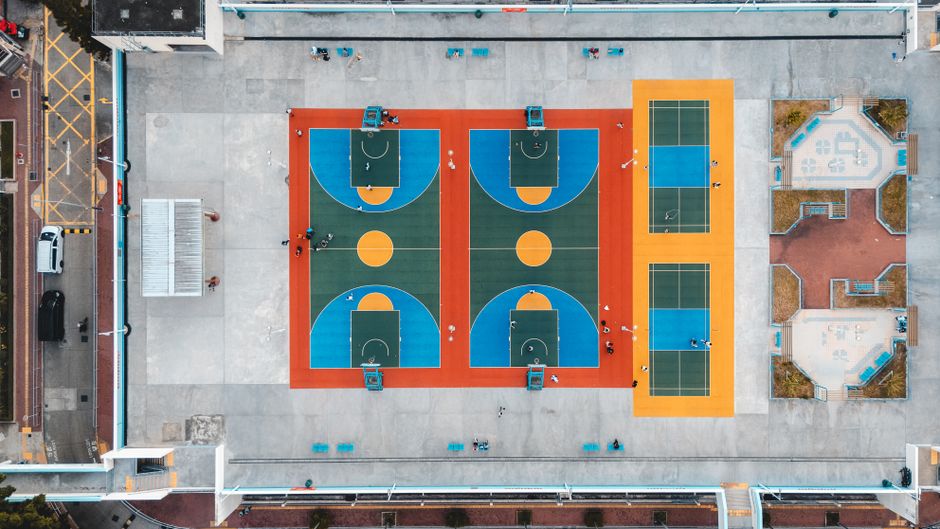
On weekday evenings across Hong Kong's residential districts, an invisible army mobilises. In Mong Kok's Victoria Park, badminton players string up nets on courts that cost nothing to book. In Sham Shui Po, a collective of runners gathers at the Tung Chung Street junction every Tuesday for group training sessions that demand only dedication, not membership fees. These scenes tell a story the premium fitness industry rarely acknowledges: Hong Kong's most vibrant training culture exists not in the air-conditioned studios of Landmark or IFC, but in the sweaty, democratic spaces where neighbours become teammates.
The shift reflects a broader reckoning in the territory's approach to sport. While commercial gyms charging upwards of HK$500 monthly still dominate urban landscapes, community-based fitness programmes have expanded dramatically since 2023. The Sports Development Board's latest participation surveys show that grassroots sports club membership has grown by nearly 28 per cent, with over 890,000 Hong Kongers now engaged in organised community activities—far outpacing the estimated 380,000 commercial gym subscribers.
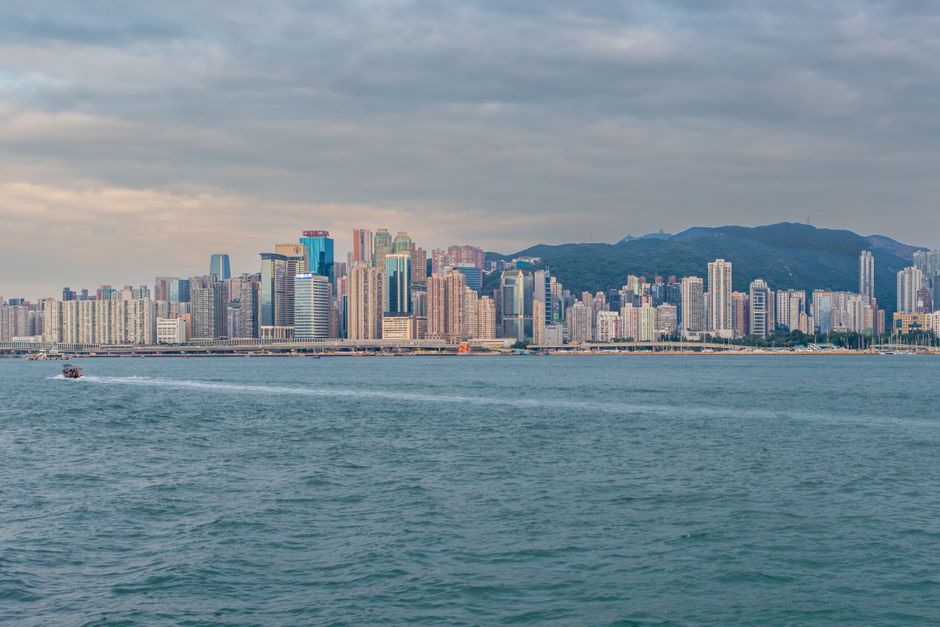
What's driving this transformation? Partly economics. A family in Wong Tai Sin can access the district's eight public sports centres for a fraction of private rates. But volunteers and organisers point to something deeper: a hunger for belonging. Free badminton coaching programmes in Causeway Bay, informal football leagues organised through WhatsApp groups in Chai Wan, and the proliferation of running clubs along the Victoria Harbour waterfront suggest Hongkongers increasingly value community over convenience.
Take the Kowloon City Runners, an informal collective founded in 2019 by a handful of neighbourhood enthusiasts. Today, over 400 registered members gather weekly at various entry points across the district—Tung Lung Street, Kwong Wah Street, the Kowloon Walled City Park perimeter. No subscription. No app. Just word-of-mouth, shared passion, and genuine civic investment.
Yet challenges persist. Ageing public facilities in districts like Yuen Long require urgent upgrading. Many volunteer-led organisations operate on razor-thin budgets. Corporate sponsorship remains inconsistent. The Sports Development Board has pledged increased funding for grassroots initiatives, but implementation remains uneven across the 18 districts.
Still, the trend is unmistakable. As Hong Kong grapples with pressures that make commercial solutions feel transactional, community-driven fitness movements offer something precious: connection, affordability, and neighbourhoods where ordinary people become each other's greatest resource. The real revolution, it seems, isn't happening in showroom gyms—it's happening on Sundays in public parks, where fitness becomes inseparable from community itself.
This article was compiled by AI from the sources linked above and screened before publishing. See our editorial standards.