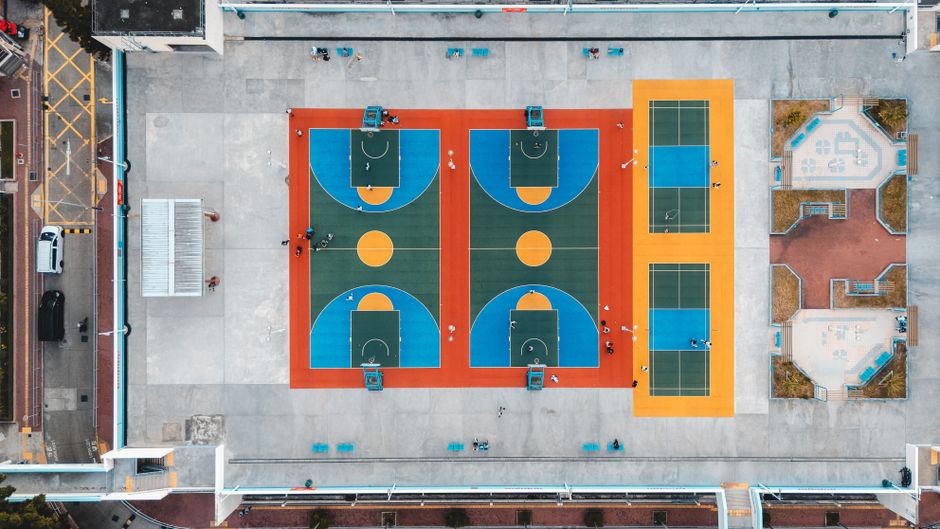
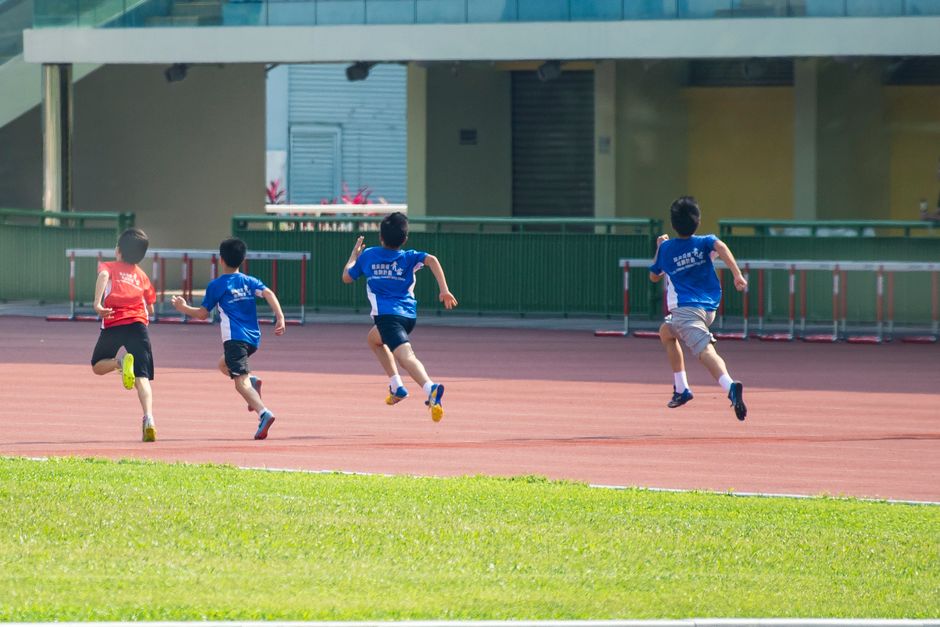
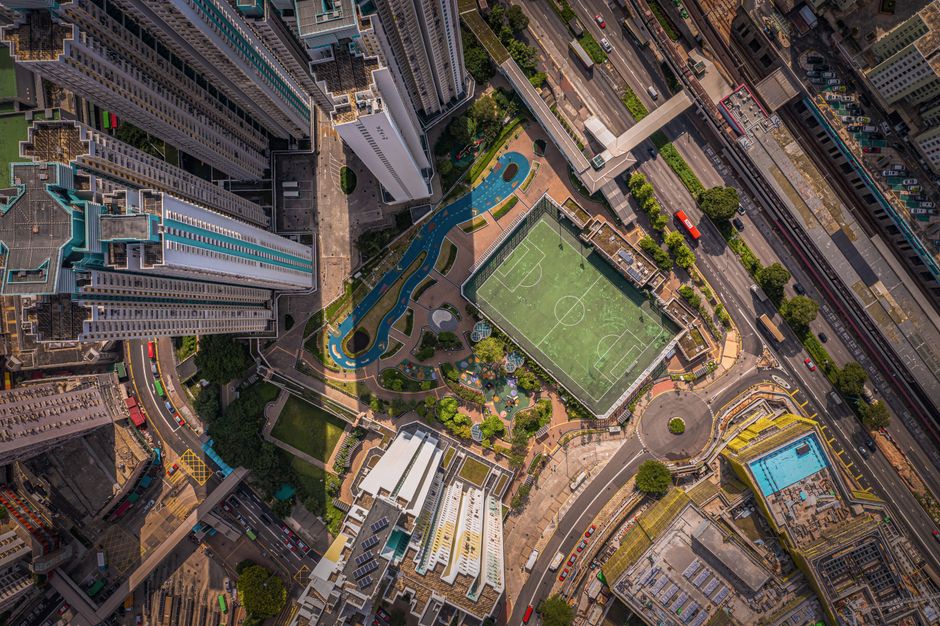
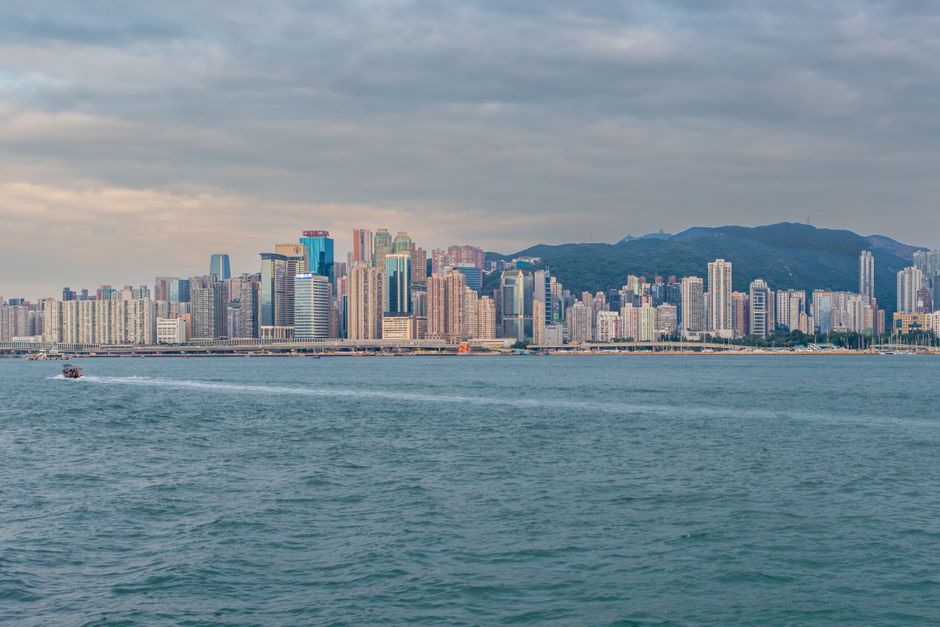
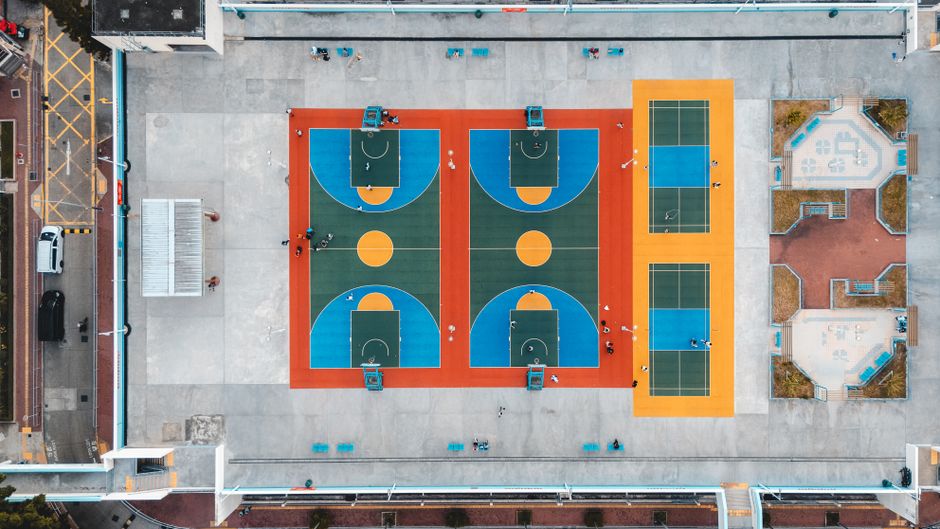
On Tuesday evenings, the basketball courts at Victoria Park fill with a familiar rhythm: sneakers squeaking against hardwood, the snap of nets, shouts of encouragement echoing across Causeway Bay. These are not professionals. They are accountants, teachers, nurses and students who have carved out sacred time to belong to something larger than themselves.
Hong Kong's amateur sports scene has experienced a renaissance over the past three years, with participation in recreational leagues climbing 34 per cent according to data from the Sports Federation and Olympic Committee of Hong Kong. What began as pandemic-era escapes from apartment living has evolved into something more durable: genuine community.
The Kowloon Badminton Association, which operates courts across Mong Kok and Hung Hom, has grown from 240 registered players in 2023 to nearly 620 today. Membership fees—around HK$800 monthly—remain accessible, and the waiting list for beginner classes stretches weeks ahead. Similar patterns ripple through the territory. The Hong Kong Amateur Football League, spanning pitches in Tseung Kwan O and the New Territories, now registers over 4,800 players across 350 teams, up from 3,100 five years ago.
What explains this surge? Partly, it is the democratisation of sport. Unlike elite clubs requiring astronomical initiation fees, neighbourhood organisations offer genuine accessibility. A casual 5-a-side football session in Sham Shui Po costs HK$50 per person. A tennis ladder competition organised by the Hong Kong Tennis Association's district branches runs HK$200 for eight weeks. These are prices within reach.
But infrastructure alone cannot explain the phenomenon. Club administrators and volunteers speak consistently of a deeper hunger. Many players cite mental health benefits—a counterweight to demanding jobs and cramped living spaces. Others describe the simplicity of weekly ritual: the same court, same faces, genuine friendships forged through shared effort.
Neighbourhood hubs have become unexpected social anchors. The Leisure and Cultural Services Department reports that district-level sports clubs now host approximately 2,000 weekly sessions across Hong Kong, from dragon boat clubs along Victoria Harbour to volleyball associations in Wan Chai. These spaces welcome newcomers without judgment, accommodating ability levels from complete beginners to semi-professional players.
The impact extends beyond individuals. Local restaurants near sports venues report increased business as players gather post-match. Community centres in Causeway Bay, Tsim Sha Tsui and Sha Tin have upgraded facilities to meet demand. District councils increasingly prioritise sports infrastructure in their budgets.
As Hong Kong navigates economic uncertainty and social fragmentation, these amateur leagues offer something increasingly precious: a place to show up, try hard, and belong. In courts, fields and halls across the territory, ordinary Hongkongers are proving that sport's greatest power lies not in spectacle, but in connection.
This article was compiled by AI from the sources linked above and screened before publishing. See our editorial standards.