Hong Kong's relationship with water sports has undergone a quiet but measurable transformation over the past three years, according to participation data from the Hong Kong Amateur Swimming Association and major leisure operators across the territory.
Swimming pool memberships at government-run leisure centres—including the popular facilities at Victoria Park in Causeway Bay and Kowloon Park in Tsim Sha Tsui—have surged by approximately 23 percent since 2023, even as traditional gym memberships have plateaued. Meanwhile, aquatic fitness classes, particularly water aerobics and aqua Pilates, now account for nearly 18 percent of all fitness programming at major leisure facilities, up from 12 percent two years ago.
The shift tells a compelling story about how Hong Kong residents are reconsidering their approach to fitness and wellbeing. In a city where high-impact activities compete with concerns about joint stress and summer heat, water-based exercise offers an appealing middle ground. "We're seeing older adults returning to fitness through water activities, but also young professionals seeking lower-impact alternatives to CrossFit and running," explains a representative from the Leisure and Cultural Services Department.
The economics are equally revealing. A monthly unlimited pass to a government leisure centre costs approximately HK$100–150, making water fitness dramatically more affordable than private gym memberships, which typically range from HK$500 to HK$2,000 monthly. This price differential has democratised access to structured fitness in a way that traditional gyms never quite managed in Hong Kong's expensive fitness landscape.
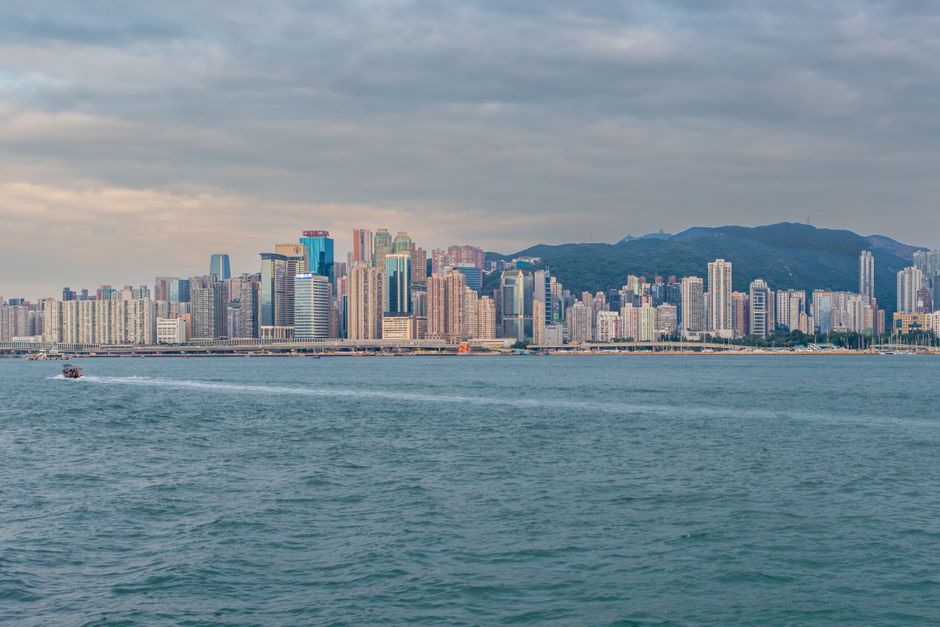
Stand-up paddleboarding and kayaking have also gained traction, particularly around Victoria Harbour and in the New Territories. Equipment rental services operating from Sai Kung and Discovery Bay now report 40 percent year-on-year growth in bookings, suggesting that recreational water sports—once niche pursuits—are becoming mainstream leisure activities for middle-class families.
What's particularly striking is the age demographic. While swimming traditionally skewed toward children taking lessons at pools across Aberdeen, Mong Kok, and Shatin, current data shows that adults aged 35–55 now comprise nearly 40 percent of public pool users during weekday sessions. This represents a fundamental recalibration of how Hong Kong's fitness culture is organised around lifecycle stages.
The trend also reflects broader wellness conversations about mental health and sustainable exercise. Water's buoyancy and temperature-regulating properties appeal to those managing chronic conditions or seeking gentler physical activity—a concern increasingly voiced among Hong Kong's health-conscious middle class.
As participation numbers continue climbing, Hong Kong's water sports infrastructure may finally be reaching the investment levels it deserves in a city defined by its relationship with water.
This article was compiled by AI from the sources linked above and screened before publishing. See our editorial standards.