Hong Kong's amateur sports ecosystem is undergoing a quiet transformation. Fresh participation data from the Hong Kong Sports and Leisure Association reveals patterns that challenge conventional assumptions about how locals choose to stay active.
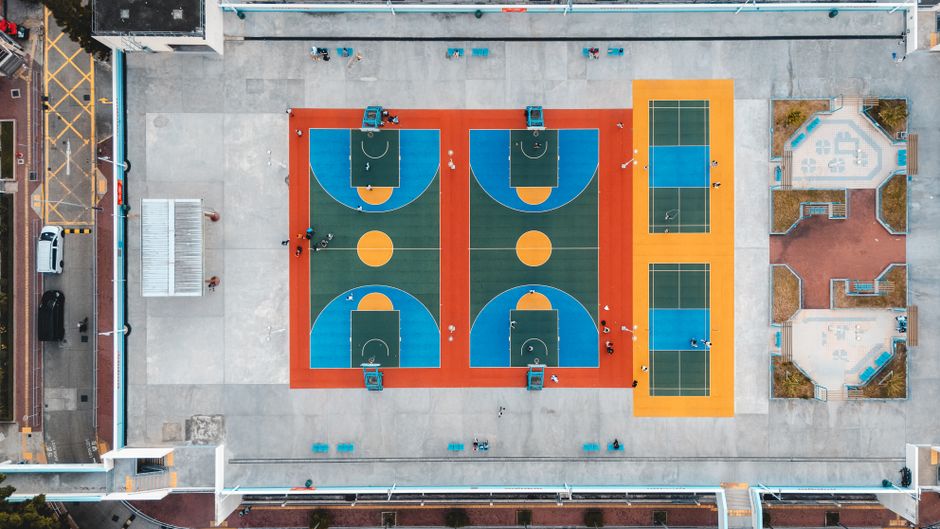
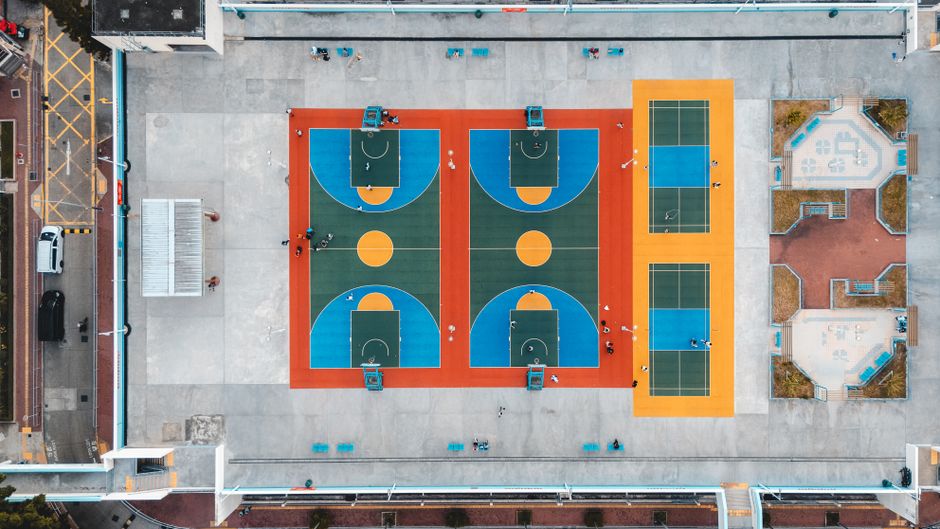
The numbers paint a striking picture. Badminton club memberships across the New Territories have surged 34% year-on-year, with courts in Sha Tin and Fanling now operating near capacity during weekday evenings. Meanwhile, traditional football leagues in Kowloon Tong and Mong Kok report a 12% decline in team registrations—the steepest drop in a decade. Basketball, once dominated by school-based participation, has seen amateur adult leagues grow by 18%, particularly in Causeway Bay and Central, where converted warehouse spaces now house multiple courts.
What explains these shifts? Cost is clearly a factor. A season-long badminton league entry costs roughly HK$800 per player, compared to HK$2,500 for competitive football teams requiring pitch rentals in Siu Sai Wan or Ma On Shan. Yet the data suggests something deeper is at work.
The rise of work-life balance consciousness cannot be ignored. A growing cohort of participants—particularly those aged 28-45—are joining recreational clubs that explicitly emphasize social connection over competitive intensity. Volleyball leagues operated through the Leisure and Cultural Services Department now manage waiting lists, with courts at Victoria Park and East Kowloon Recreation Ground booked solid through autumn.
Cycling clubs registered with the Hong Kong Cycling Alliance have nearly tripled since 2023, with weekend rides departing from Quarry Bay and heading toward the New Territories now attracting 200-plus participants per event. Trail running groups using the Peak and Wong Nai Chung Gap routes have similarly exploded, suggesting Hongkongers are increasingly seeking activities that combine fitness with escape from urban density.
The participation data also reveals a gender rebalancing. Women now comprise 41% of amateur league participants across all sports—up from 28% five years ago. Squash clubs in Central and Sheung Wan have benefited particularly, with female membership accounting for half their growth.
Perhaps most telling: mixed-skill recreational leagues—where competitive ranking matters less than consistent participation—are outpacing traditional performance-based competitions. This suggests Hong Kong's fitness culture is maturing beyond the pursuit of athletic excellence toward wellness as community practice.
As pressure mounts in our professional lives, the data whispers what many already know: we're seeking permission to simply belong.
This article was compiled by AI from the sources linked above and screened before publishing. See our editorial standards.