Hong Kong's Football Infrastructure Faces Critical Upgrade as Demand Outpaces Aging Pitches
With local clubs competing regionally and grassroots participation climbing, the territory's stadium network and training grounds are straining under pressure to modernise.
This article was generated by AI from the linked public sources. The Daily Hong Kong is independently owned and covers Hong Kong news free from advertiser or sponsor influence. Read our editorial standards →
Hong Kong's football ecosystem is experiencing a peculiar paradox: while enthusiasm for the beautiful game has never been higher—evidenced by the success of the local Premier League and increasing attendance at matches—the physical infrastructure underpinning the sport remains largely stuck in the 1980s.
The territory's primary football venues tell a revealing story. The Hong Kong Stadium in So Kon Po, Causeway Bay, with its 40,000-seat capacity, remains the flagship ground for major matches and international fixtures. Yet its counterpart across the harbour—the Mong Kok Stadium in Kowloon, with approximately 6,000 seats—sits chronically underutilised, a relic of an era when localised football passion peaked differently. Neither facility has undergone comprehensive modernisation in over a decade, leaving them trailing comparable regional stadiums in Singapore and Kuala Lumpur for amenities and spectator comfort.
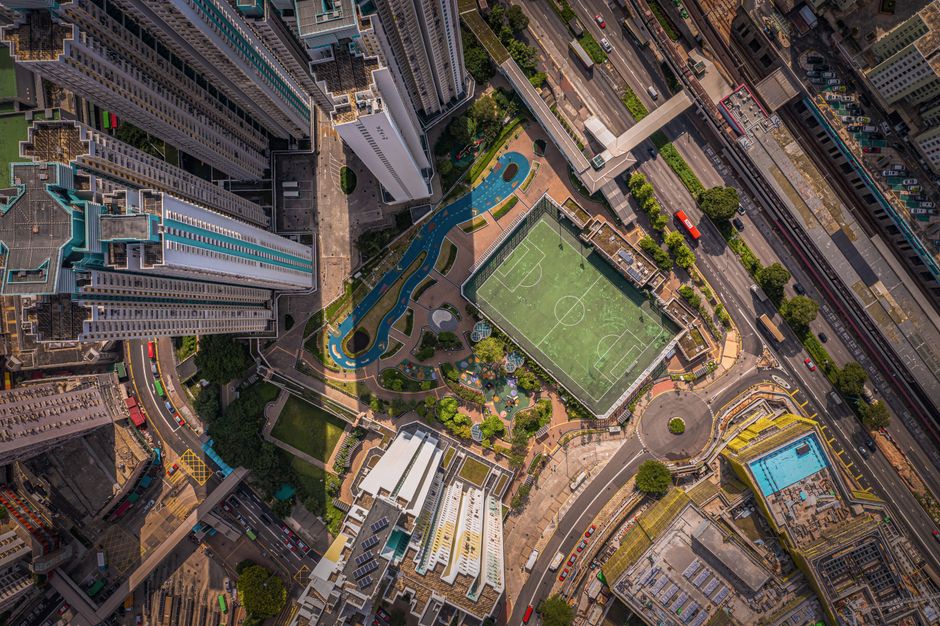
The real squeeze, however, lies in training infrastructure. The Football Association's training centres in Tsing Yi and their partnership facilities at various district grounds cannot adequately service the estimated 35,000 registered players across Hong Kong's football associations. Premier League clubs competing in the AFC competitions increasingly rent private pitches in the New Territories, with hourly rates reaching HK$3,000–HK$5,000—a burden that smaller clubs simply cannot absorb.
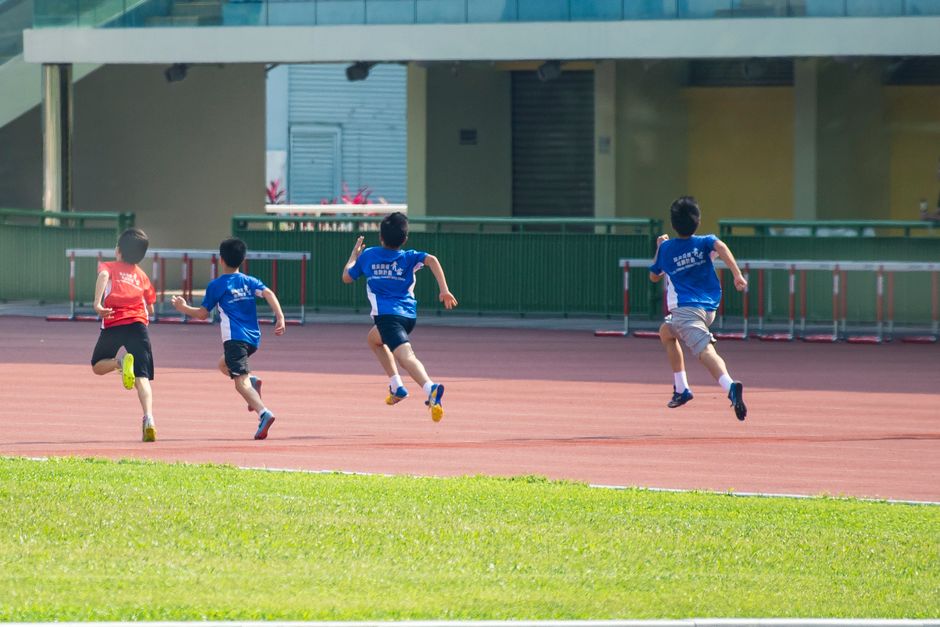
Grassroots participation tells perhaps the most urgent story. Youth football programmes operating across Wong Tai Sin, Sha Tin, and Eastern District rely heavily on school pitches and aging public facilities. The Urban Council's allocation for sporting infrastructure has remained relatively flat for three years, even as participation numbers have climbed 23% since 2023. Many district grounds lack adequate drainage systems, forcing fixture cancellations during Hong Kong's notoriously wet summer months.
Some progress exists. The Sports and Recreation Commission's Strategic Plan 2024–2028 identifies football infrastructure investment as a priority, with preliminary allocations for renovations at Tuen Mun Stadium and the proposed development of a second full-size training facility in the New Territories. Yet timelines stretch to 2028, a timeline many officials and club managers argue is insufficient given current demand.
As Hong Kong increasingly positions itself as a regional sports hub, and with the national team's recent competitive improvements drawing renewed domestic interest, the conversation has shifted from whether investment is needed to how quickly it can materialise. Without addressing the gap between infrastructure and demand, Hong Kong risks watching its football momentum plateau precisely when momentum matters most.
This article was compiled by AI from the sources linked above and screened before publishing. See our editorial standards.
Covering sport in Hong Kong. This article was generated by AI from the linked sources and was not reviewed by a human editor before publishing. See our editorial standards.