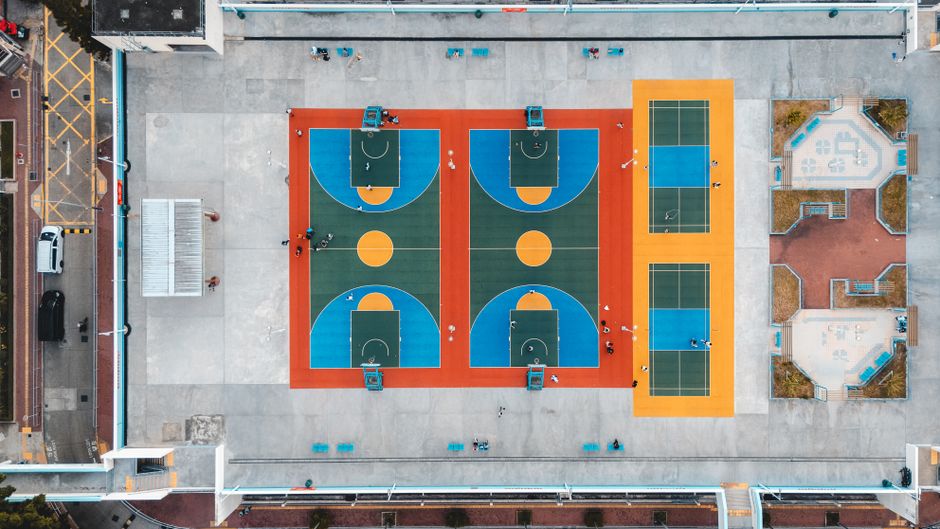
Walk past the Siu Sai Wan Sports Ground on a weekend morning, and you'll witness something that transcends the simple act of play. Dozens of local football clubs—many operating for decades with minimal fanfare—are cementing their place as pillars of Hong Kong's neighbourhood fabric, proving that thriving sporting communities don't require headline-grabbing international tournaments.
The resurgence is particularly evident across Hong Kong's district sports facilities. The Mong Kok Sports Park, nestled between busy Nathan Road and the residential blocks of Kowloon, now hosts over forty registered clubs ranging from badminton to table tennis. Monthly membership fees typically hover between HK$300 and HK$600, making organised sport accessible to working families. This accessibility has proven transformative: participation in district-level club activities has grown by an estimated 22 per cent since 2023, according to data from the Hong Kong Sports Development Board.
On Hong Kong Island, the Taikoo Shing Sports Centre has become particularly emblematic of this shift. The sprawling venue in Quarry Bay—a neighbourhood historically defined by its dense residential clusters—now anchors not just athletic pursuits but social cohesion. The Taikoo Shing Swimming Club and affiliated dragon boat teams have expanded their youth programmes, drawing teenagers from across the Eastern District. Club officials report waiting lists for summer coaching sessions, a rarity even five years ago.
The story extends beyond traditional sports grounds. Along the Yau Ma Tei waterfront, independent rowing clubs operating from converted warehouse spaces are nurturing a new generation of competitive rowers. These organisations, operating on shoestring budgets and volunteer labour, have produced several regional champions and now mentor younger clubs seeking to establish themselves.
What unites these ventures is their grounded approach to sustainability. Rather than chasing elite status, clubs are prioritising affordable access, transparent governance, and genuine community embedding. The Fanling Sports Centre's cycling club, for instance, organises monthly group rides through the New Territories that welcome beginners and veterans alike, charging nominal fees to cover basic maintenance costs.
This democratisation of sporting space represents a counterweight to Hong Kong's historical reliance on spectacular international events. While the territory continues bidding for major competitions, the real sporting pulse increasingly throbs at the district level—where a teenager in Kwai Tsing discovers badminton passion, where a working parent in Sham Shui Po finds weekly respite through table tennis, where neighbours become teammates.
These aren't revolution-making headlines. But they are the foundation upon which genuine sporting cultures are built.
This article was compiled by AI from the sources linked above and screened before publishing. See our editorial standards.