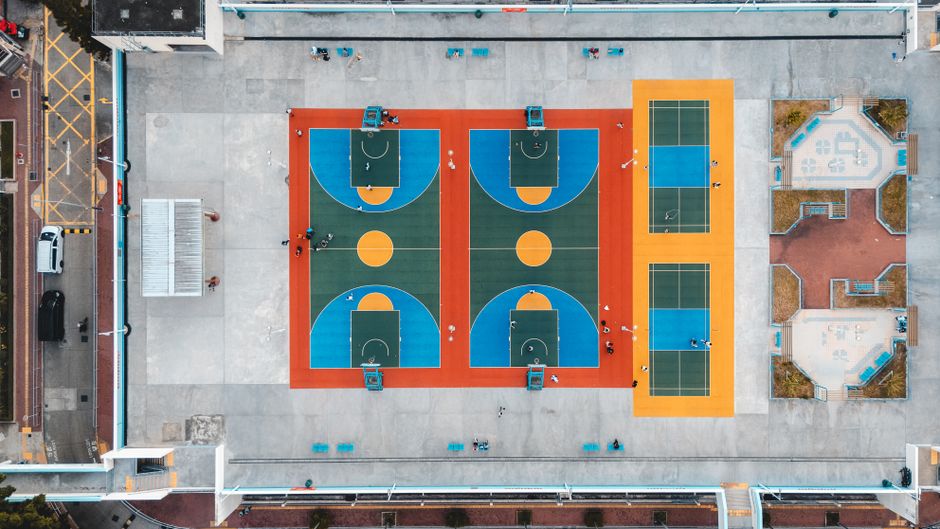
Walk through Victoria Park on any weeknight, and you'll spot them: clusters of runners in matching jerseys, badminton players under floodlights, and cyclists gearing up for evening rides. Hong Kong's amateur sports scene is experiencing a renaissance, with recreational clubs reporting record membership and waiting lists stretching months into the future.
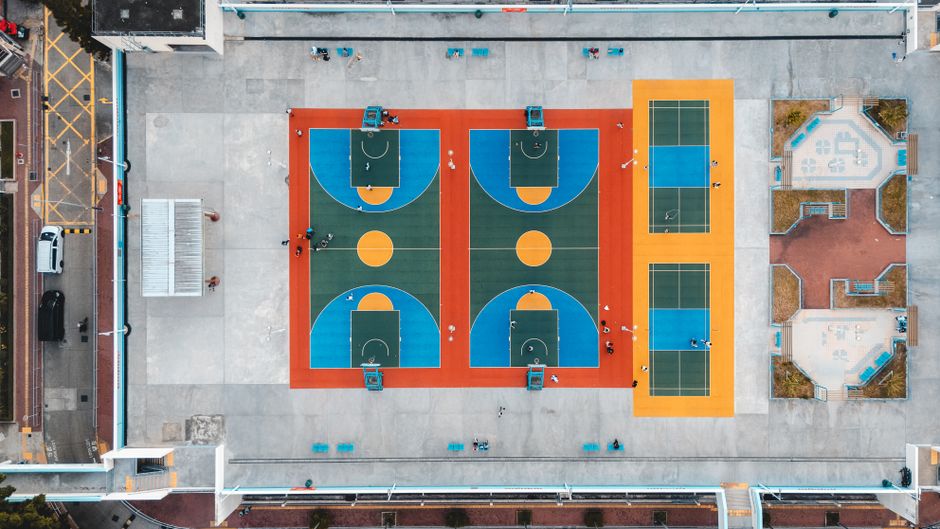
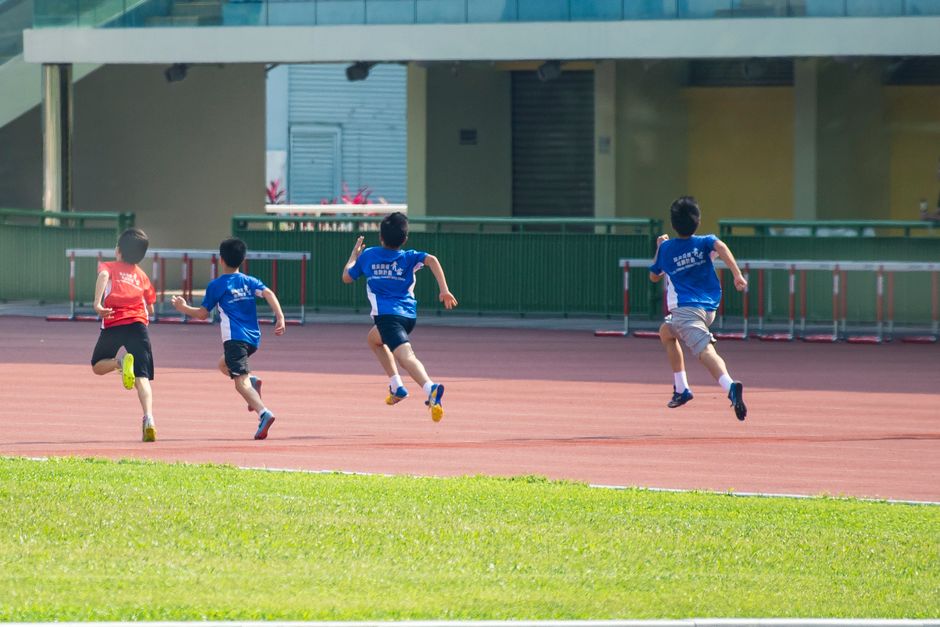
The surge reflects a broader shift in how Hongkongers view fitness and community. Rather than isolating workouts in commercial gyms, residents are increasingly drawn to organised clubs that offer structure, camaraderie, and affordable access to sports. The Happy Valley Sports Ground, long a bastion of elite athletics, now hosts seven amateur running clubs with a combined membership exceeding 2,500 participants. Similarly, the Causeway Bay Sports Park has become a hub for amateur volleyball and basketball leagues, with court bookings extending into late evening to accommodate demand.
Membership costs remain remarkably accessible. Most recreational football clubs in districts like Sham Shui Po and Mong Kok charge between HK$200 and HK$400 monthly, with amateur badminton clubs in Central and Wan Chai slightly higher at HK$300 to HK$600. These fees typically cover court rental, basic coaching, and league participation—a fraction of private gym memberships.
What distinguishes Hong Kong's club culture is its hyperlocal identity. The Stanley Seasiders Cycling Club, established in 2019, has grown to 340 members who meet weekly along the southern coast. The Sheung Wan Table Tennis Association runs beginner-to-competitive tiers, welcoming everyone from office workers to retirees. These clubs aren't merely functional; they're becoming neighbourhood anchors in a city where genuine community spaces are increasingly precious.
Data from the Hong Kong Sports Development Board indicates that participation in amateur leagues has climbed 34 per cent since 2023, with amateur football and badminton leading growth. Women's participation has particularly accelerated, with women-only and mixed recreational leagues reporting waiting lists. The Kowloon Women's Running Club, founded five years ago, now boasts over 600 active members.
Beyond fitness, clubs are addressing social isolation. Many organise social dinners, volunteer activities, and skill-sharing sessions. The Central Hiking Association pairs experienced hikers with newcomers, transforming weekend trails on Hong Kong Island into pathways for intergenerational connection.
As Hong Kong navigates rapid urbanisation and digital saturation, these amateur sports clubs offer something increasingly rare: unscripted human connection rooted in shared passion and neighbourhood geography. For many Hongkongers, the real victory isn't the trophy—it's belonging to something tangible and local.
This article was compiled by AI from the sources linked above and screened before publishing. See our editorial standards.