Sport
Hong Kong's Youth Sport Participation Tells a Story of Uneven Fitness Culture
New grassroots data reveals surging interest in niche disciplines while traditional team sports struggle to retain young players.
2 min read
Sport
New grassroots data reveals surging interest in niche disciplines while traditional team sports struggle to retain young players.
2 min read
Fresh participation figures from the Hong Kong Sports Development Board paint a revealing picture of how local youth are reshaping their relationship with physical activity, exposing both the dynamism and deep fractures within our grassroots sporting ecosystem.
According to the latest quarterly audit covering the first half of 2026, badminton and table tennis clubs across the New Territories report membership growth of 23 percent year-on-year, while traditional football academies in Tuen Mun and Kwai Chung have seen enrolments decline by 15 percent. The data suggests a clear demographic shift: younger players are gravitating toward individual-focused, skill-intensive sports rather than commitment-heavy team environments.
"What we're seeing is a structural issue," explains one veteran coach operating facilities across Wong Tai Sin and Kowloon Tong. The cost barrier remains formidable—monthly fees for competitive badminton academies now range from HK$800 to HK$1,500—yet accessibility paradoxically improves for niche sports with lower infrastructure demands. Swimming clubs affiliated with the Amateur Swimming Union show stable retention, while climbing gyms sprouting across Central, Causeway Bay, and Mong Kok report waiting lists.
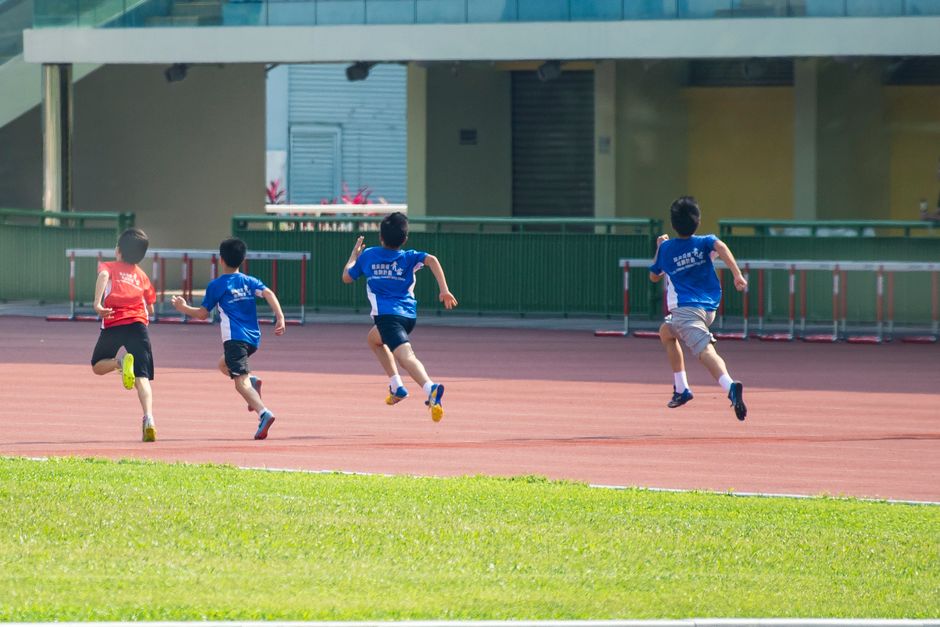
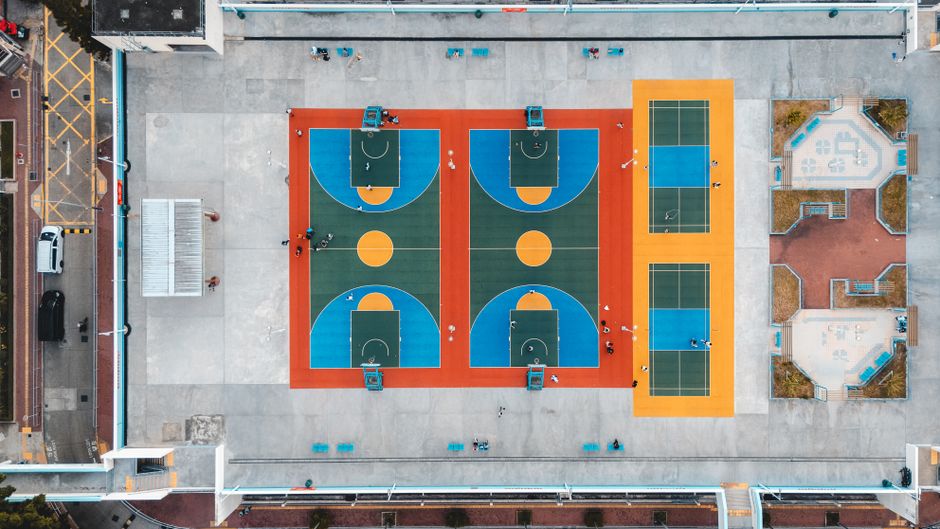
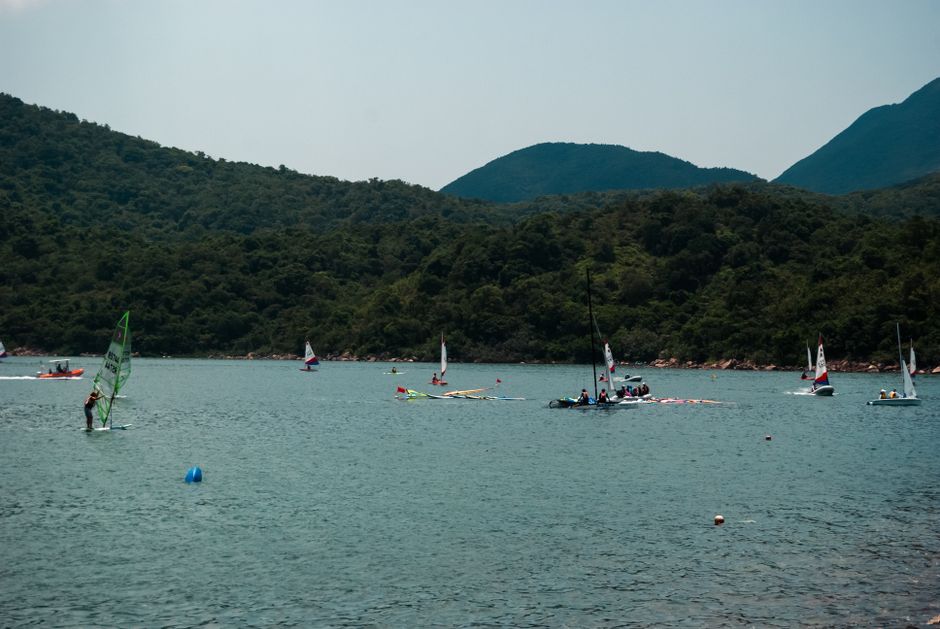
The participation puzzle extends beyond facility types. Hong Kong Sports Institute satellite programmes recorded 8,400 active participants in June 2026, up from 7,100 last year, yet this growth concentrates in rowing, cycling, and athletics—sports traditionally perceived as solitary or elite. Conversely, basketball courts at public leisure centers in Sham Shui Po and North Point sit half-full during peak hours.
Economic pressures clearly factor into these shifts. Families managing post-pandemic finances increasingly favour shorter-term commitments and lower subscription models. Gym memberships targeting under-18s have exploded, with chains offering flexible monthly plans at HK$350 undercutting traditional sports clubs' rigid annual fees.
Yet grassroots officials sound a cautionary note. While participation numbers appear healthy overall, the data masks concerning geographic disparities. Eastern New Territories neighbourhoods show markedly lower youth engagement across all sports categories compared to Hong Kong Island and Kowloon, suggesting infrastructure inequality remains entrenched.
The real challenge lies not in overall participation rates—which remain respectable—but in developing sustainable, affordable pathways that genuinely serve all communities. Without intervention, Hong Kong risks cultivating a two-tier youth fitness culture: affluent pockets enjoying premium coaching and facilities, while outlying districts continue to struggle with capacity and accessibility. The numbers speak clearly; the question is whether our sporting institutions will listen.
This article was compiled by AI from the sources linked above and screened before publishing. See our editorial standards.
About this article
Published by The Daily Hong Kong
Spread the word
Daily brief
Free, in your inbox before 7am. Weekdays.
Before you go
The day's Hong Kong news in a 2-minute read. Free, weekday mornings.