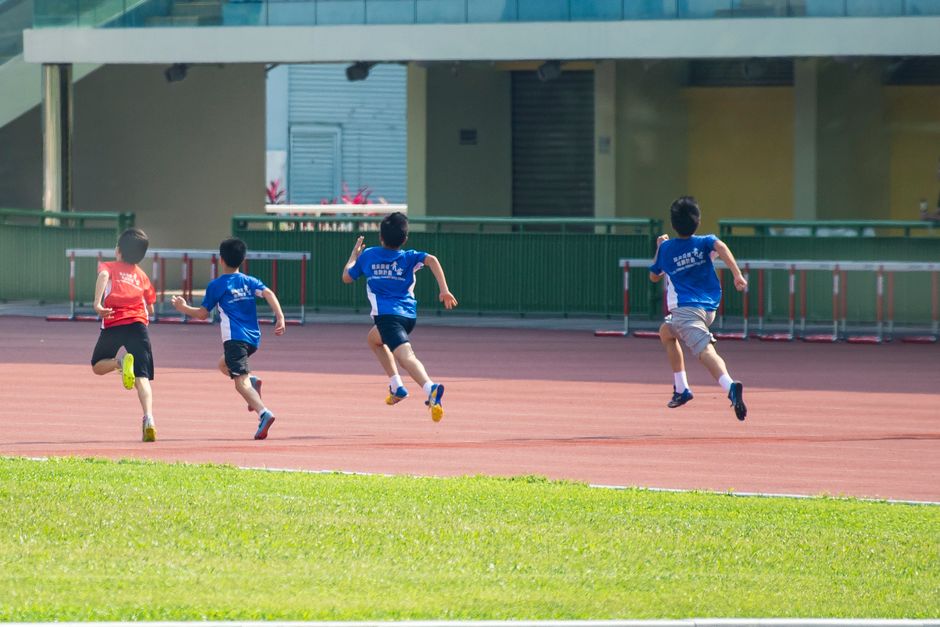
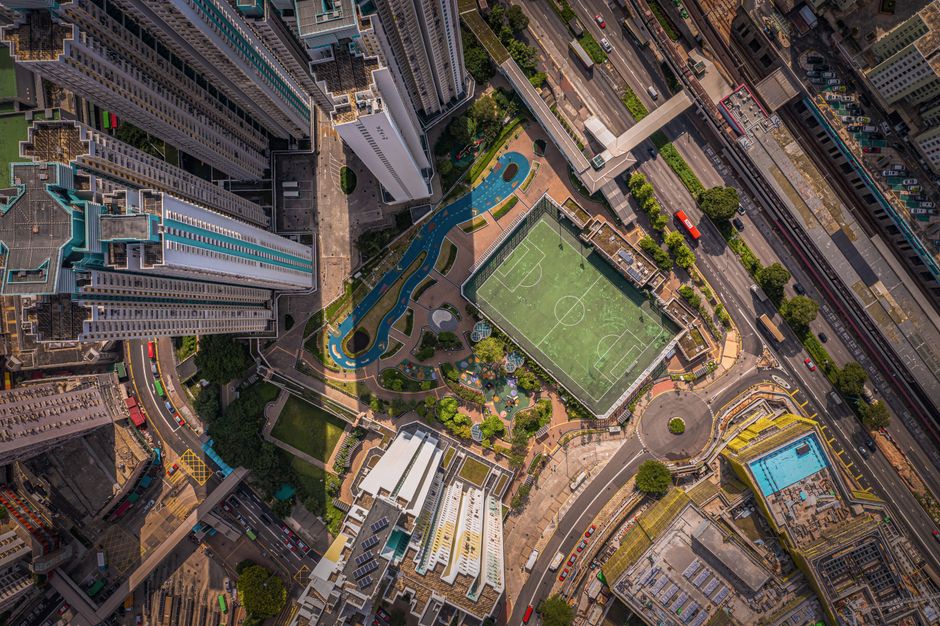
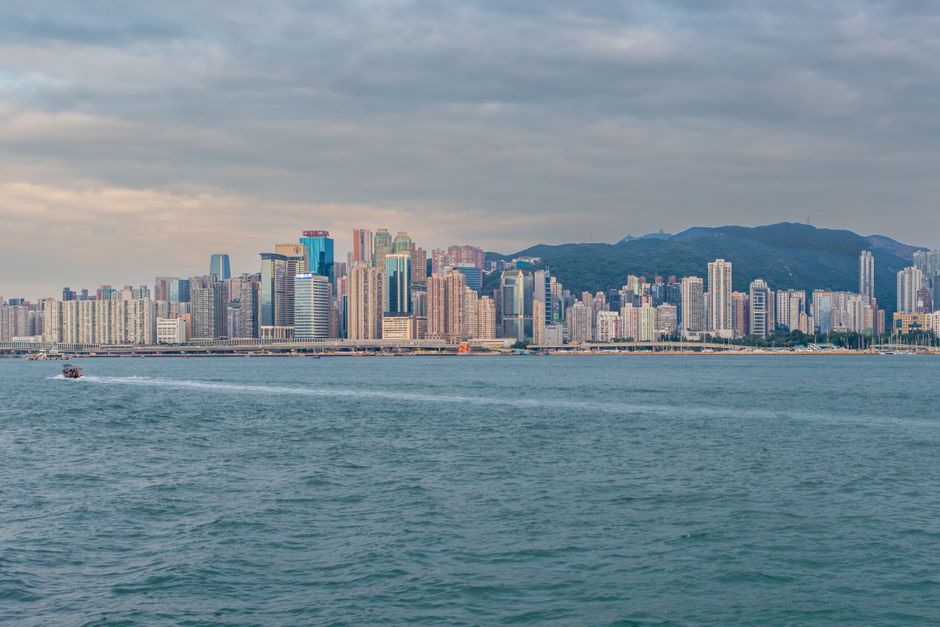
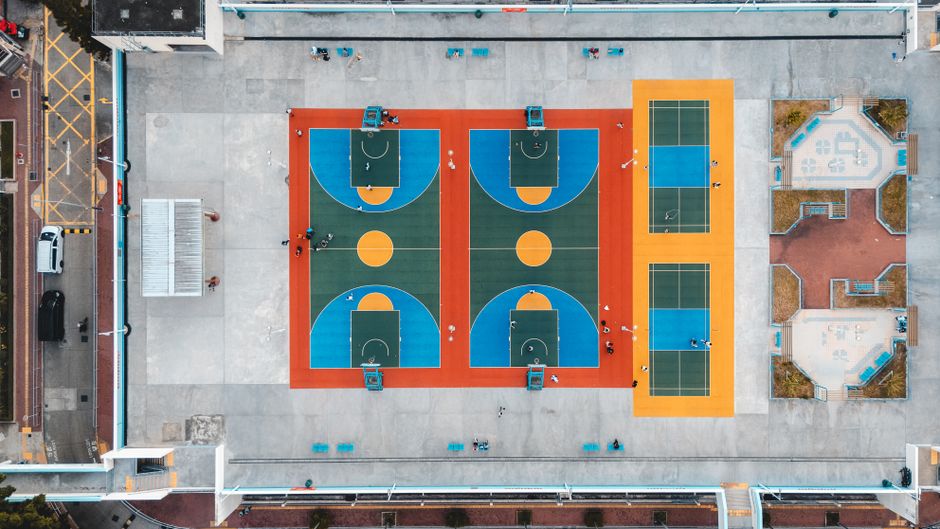
Hong Kong's sporting landscape is experiencing a quiet renaissance, one neighbourhood club at a time. While international tournaments capture headlines, it is the modest yet resilient grassroots organisations operating from community centres and upgraded local stadiums that are reshaping how residents connect with sport and each other.
Take the Eastern District, where clubs operating from the Siu Sai Wan Sports Centre on Island Road have seen membership surge by nearly 40% since facility upgrades completed last year. The centre, which serves roughly 8,000 registered athletes monthly across badminton, table tennis, and volleyball, exemplifies how investment in local infrastructure translates to community engagement. Similarly, the Kowloon Bay Sports Centre has become a hub for emerging football talent, with five affiliated youth leagues now fielding over 60 teams from ages six to eighteen.
What sets these organisations apart is their deliberate focus on accessibility. Monthly membership fees for neighbourhood clubs typically range from HK$300 to HK$800—substantially below private facility costs—making sport genuinely available across socioeconomic lines. The Wan Chai District Sports Association reports that 65% of its current members come from surrounding public housing estates, a demographic that historically faced barriers to organised athletic participation.
Beyond fixtures and scoreboards, these clubs have become social anchors. The Sham Shui Po Table Tennis Association, operating from the district's refurbished sports centre on Yen Chow Street, runs weekend family tournaments where over 200 relatives gather monthly. Their annual inter-district championship draws 1,200 spectators. More significantly, the club operates a scholarship scheme supporting 14 promising juniors, funded entirely through member contributions and modest corporate sponsorship.
The expansion of venues like the Hong Kong Velodrome in Tuen Mun and renewed investment in district sports centres have also enabled clubs to host larger events. Last month, the New Territories Cycling Federation organised a weekend criterium attracting 350 riders—an event unthinkable without modern track facilities. Entry fees remained modest at HK$120, keeping participation broad.
Club officials acknowledge challenges: government funding fluctuates, volunteer burnout remains persistent, and competing demands on prime facility hours create scheduling headaches. Yet their determination endures. The Chai Wan Amateur Swimming Club, for instance, has maintained continuous operation for 34 years, nurturing dozens of competitive swimmers while teaching water safety to 1,500+ local children annually.
These organisations remind us that sport's deepest value lies not in stadium spectacle, but in the connections forged between neighbours, the confidence kindled in young athletes, and the sense of belonging a community provides. Hong Kong's local clubs are proving that thriving sport happens not in isolation, but rooted firmly in neighbourhoods.
This article was compiled by AI from the sources linked above and screened before publishing. See our editorial standards.