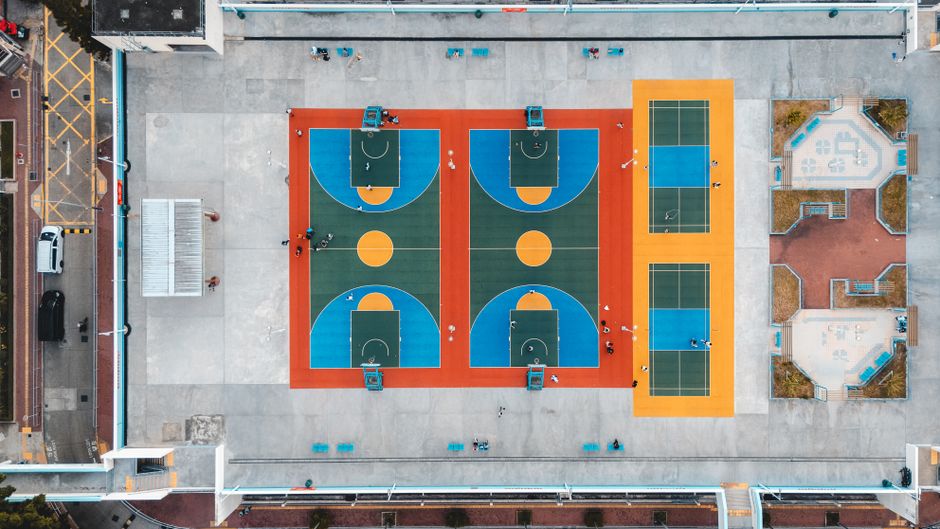
Walk into any public sports ground across Hong Kong on a weekend morning, and you'll find the real story of the city's sporting culture: not in the gleaming stadiums of Causeway Bay or the corporate sponsorships, but in the neighbourhood clubs quietly transforming community spaces into vibrant social hubs.
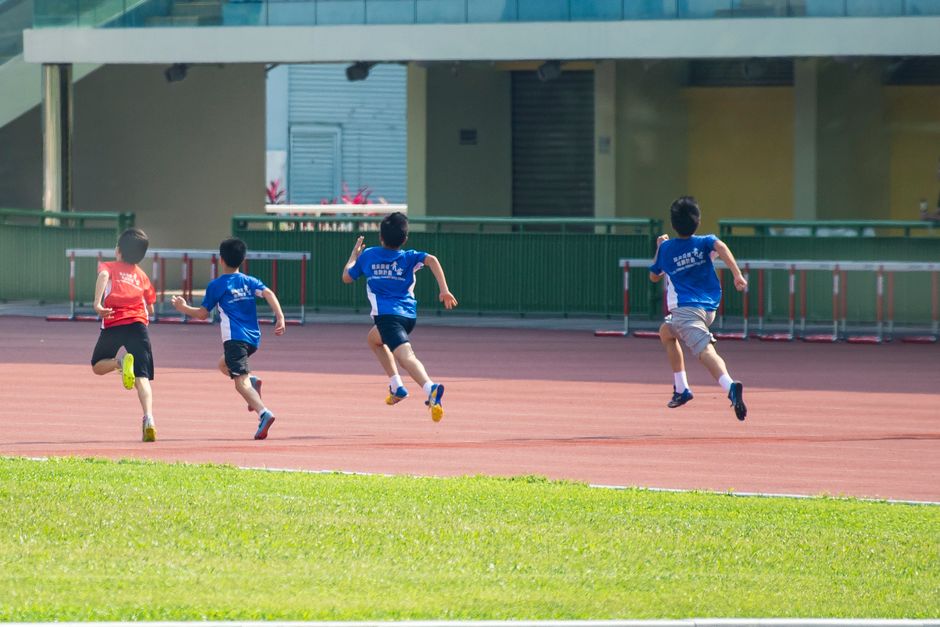
The recreational sports landscape in Hong Kong has undergone a remarkable renaissance. The Parks and Recreation Division reported a 34% surge in amateur league registrations over the past three years, with participation in neighbourhood badminton, football, and volleyball leagues now exceeding 120,000 active members. From the Sham Shui Po Basketball Association running five-on-five tournaments at Yen Chow Street Sports Centre to the Eastern District Cycling Club organising weekly rides through the trails of Quarry Bay and Taikoo, these grassroots organisations are redefining what community engagement means in 2026.
Consider the North Point Recreational Football League, now in its eleventh season. Operating from Victoria Park's eastern pitches, the league has grown from 12 teams to 48, with membership fees kept deliberately modest at HK$800 per player per season. The waiting list stretches months ahead. Club officials emphasise their mission is simple: provide affordable, accessible sport while building neighbourhood bonds that extend far beyond the pitch. Many members have known each other for years; friendships forged through Sunday matches often translate into stronger local networks.
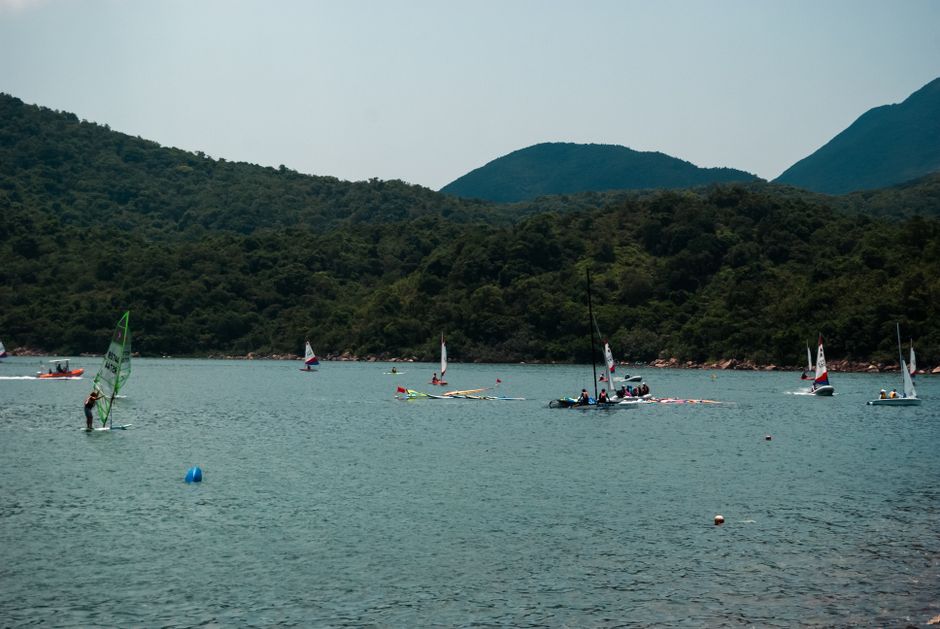
Lantau Island's sailing community tells a similar story. The Cheung Sha Watersports Collective, operating from beaches near Pui O, has tripled its membership since 2023, attracting young professionals from Central and established residents alike. Monthly membership costs roughly HK$450, and the club has become a genuine meeting point where different demographic groups interact naturally through shared passion.
The success reflects broader shifts in how Hongkongers approach wellness and social connection. Post-pandemic, residents increasingly prioritise accessible community activities over premium gym memberships or exclusive sports clubs. Amateur leagues offer affordability, flexibility, and genuine camaraderie—qualities that expensive sports facilities sometimes lack.
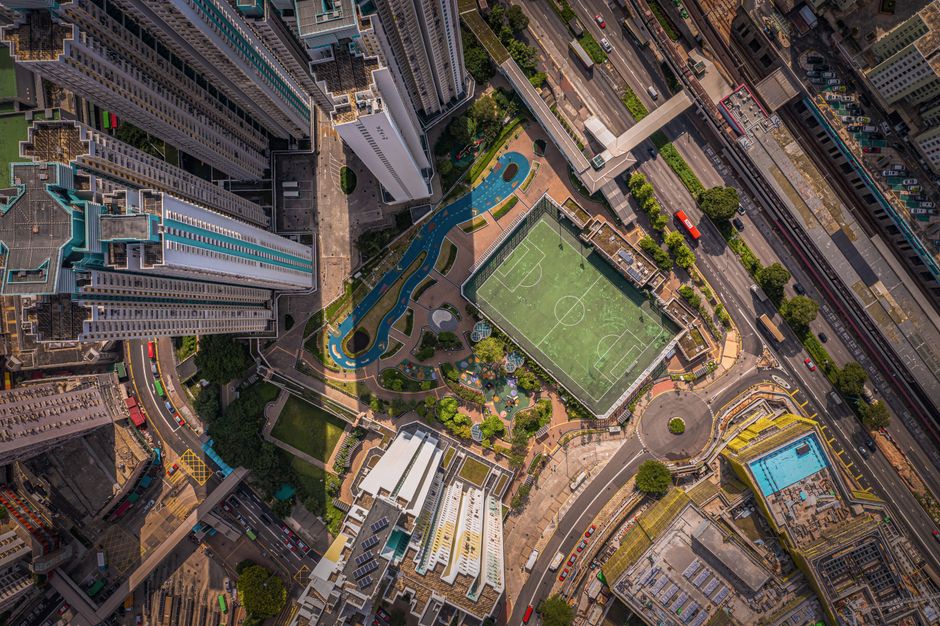
Challenges remain. Space remains precious; many clubs operate on limited court time, and insurance costs continue rising. Yet the momentum is undeniable. Whether it's the Mong Kok Badminton Alliance running tournaments from Argyle Street Recreation Ground, or the Wong Tai Sin District Table Tennis Society, these neighbourhood organisations have tapped into something essential: the human need for community, activity, and belonging that transcends socioeconomic boundaries.
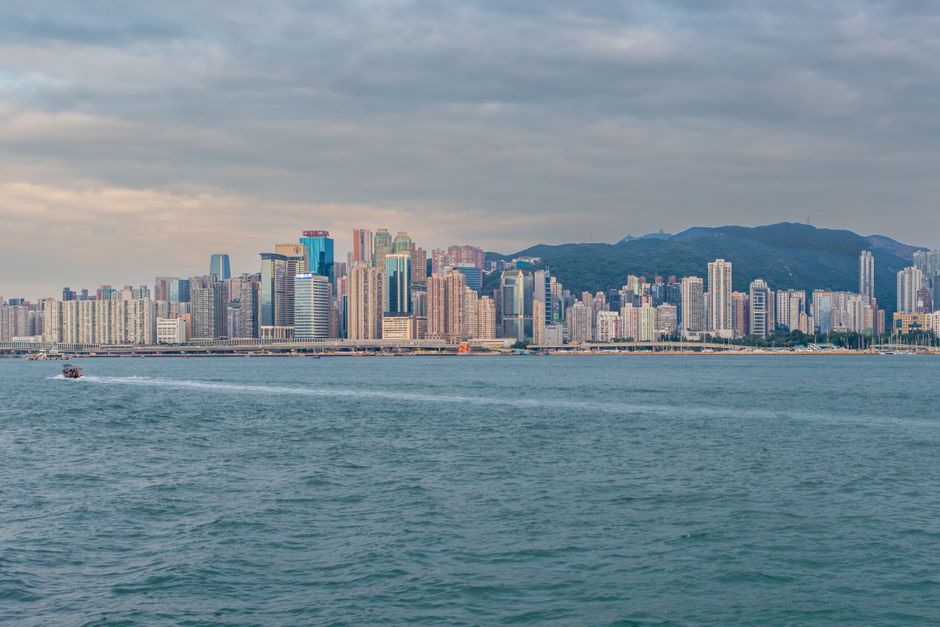
In a densely packed city where residents often feel isolated despite living cheek-by-jowl, recreational sports clubs remind us that Hong Kong's greatest strength lies not in its skyline, but in the communities that gather weekly to play, compete, and simply be together.
This article was compiled by AI from the sources linked above and screened before publishing. See our editorial standards.