This article was generated by AI from the linked public sources. The Daily Hong Kong is independently owned and covers Hong Kong news free from advertiser or sponsor influence. Read our editorial standards →
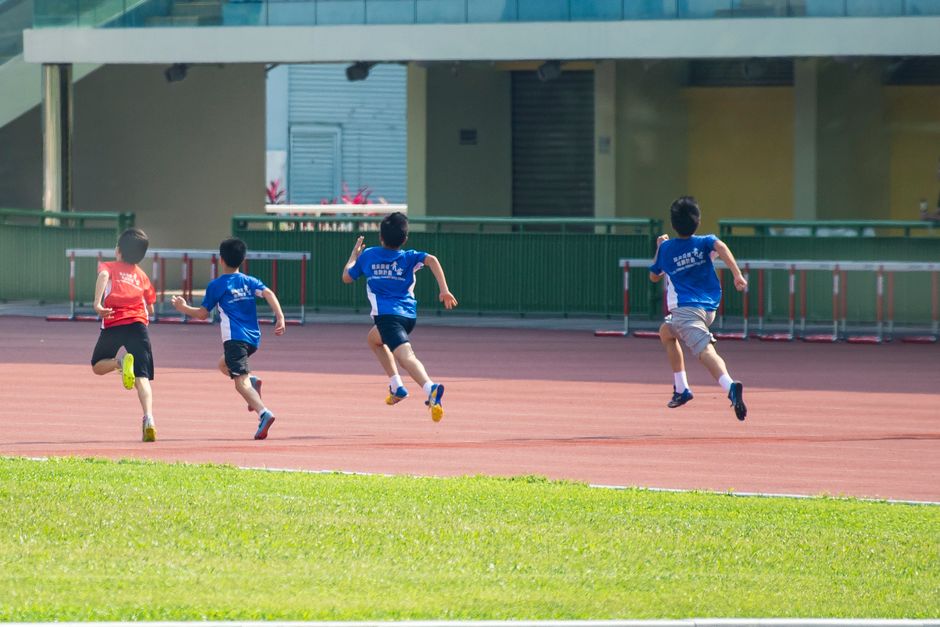
Walk through Causeway Bay on a Saturday morning and you'll find the streets buzzing with energy that extends far beyond shopping malls. At the Hong Kong Football Club's sprawling grounds in So Kon Po, dozens of youth teams are already warming up, their voices echoing across pitches that have anchored the community for generations. This scene, replicated across Hong Kong's neighbourhoods, tells a story often overshadowed by talk of major stadiums and international fixtures: local sports clubs are experiencing a renaissance.
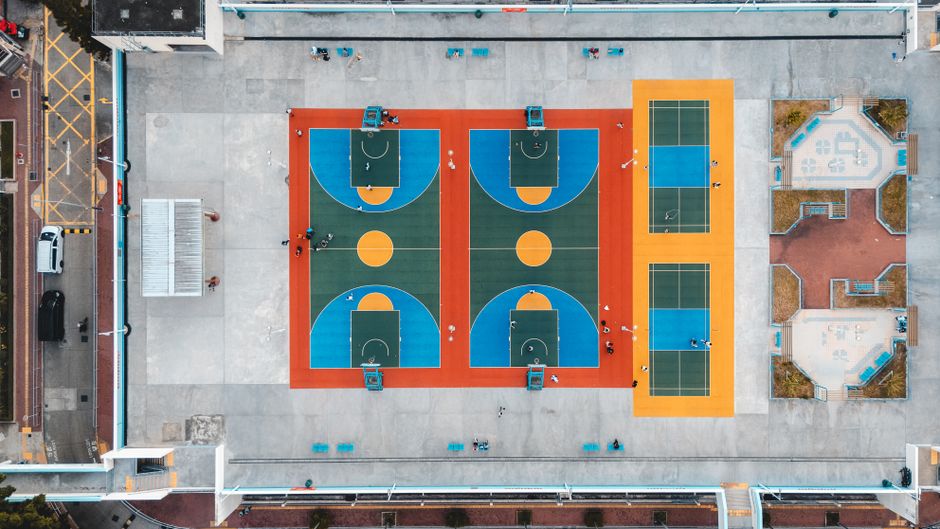
The shift reflects a broader shift in how Hongkongers approach fitness and belonging. According to the Sports Commission's 2025 participation survey, membership in grassroots sports clubs has grown 23 percent over the past three years, with particular strength in neighbourhood-based organisations. The Victoria Park Sports Centre in Causeway Bay now manages waiting lists for badminton courts stretching weeks into the future, while the Kowloon Tong Sports Centre's table tennis programmes have expanded from three to seven weekly sessions.
What's driving this momentum? Accessibility and community identity. Unlike the Hong Kong Stadium or AsiaWorld-Expo, which host international events and major tournaments, local clubs offer something different: they belong to the neighbourhood. The Aberdeen Sports Centre, nestled on the Island's south side, has become a hub where residents across generations gather. Its recent renovation included expanded facilities for dragon boat training—a traditional sport experiencing remarkable youth uptake—and improved changing rooms that now accommodate families.
Private clubs like the Hong Kong Cricket Club in Central and the Craigengower Cricket Club in Happy Valley have similarly embraced community outreach, opening coaching programmes that extend beyond membership. Entry-level fees now start around HK$800 monthly for non-members accessing group sessions, making participation feasible for middle-income families who might otherwise be priced out.
The impact ripples beyond membership numbers. In Sham Shui Po, the district's community sports centre has partnered with local schools to create after-school badminton and martial arts programmes, reducing youth drop-out rates in structured activities. In Tuen Mun, where the Sports Centre sits beside public housing estates, football and netball clubs report that 40 percent of participants come from neighbouring public housing developments.
These aren't headline-grabbing venues. They won't host World Cup qualifiers or international rugby sevens. Yet they're the genuine infrastructure of Hong Kong sport—places where neighbours become teammates, where tradition meets accessibility, and where a Saturday morning at the local ground feels like belonging to something real. As major stadiums continue hosting spectacles, it's these clubs quietly building the city's sporting future.
This article was compiled by AI from the sources linked above and screened before publishing. See our editorial standards.
Covering sport in Hong Kong. This article was generated by AI from the linked sources and was not reviewed by a human editor before publishing. See our editorial standards.