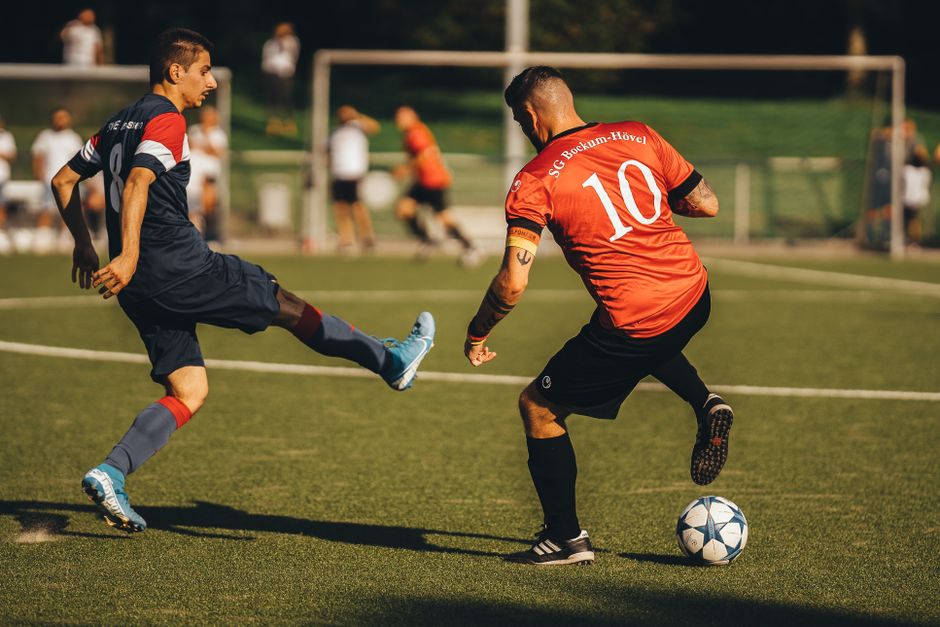
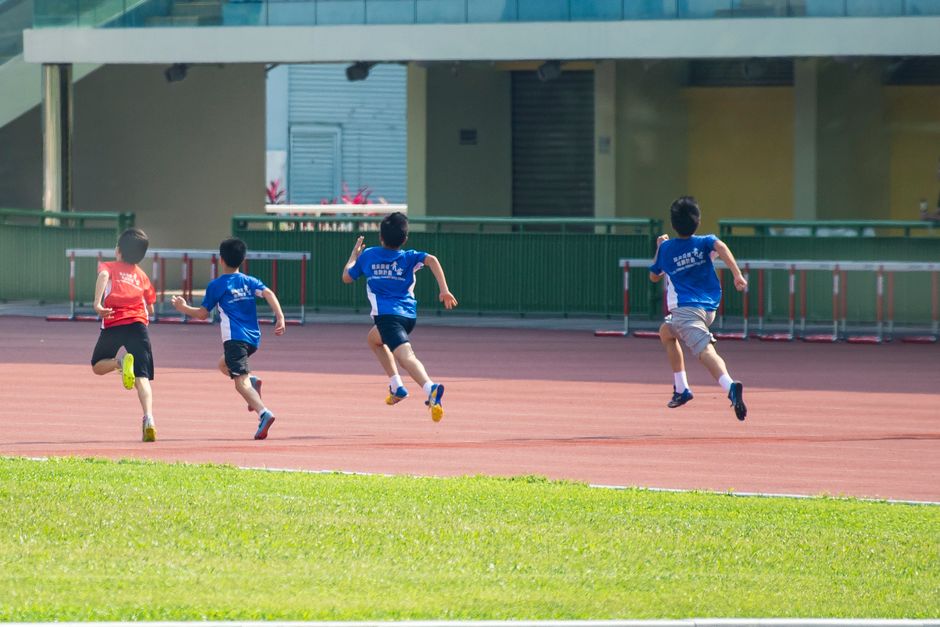
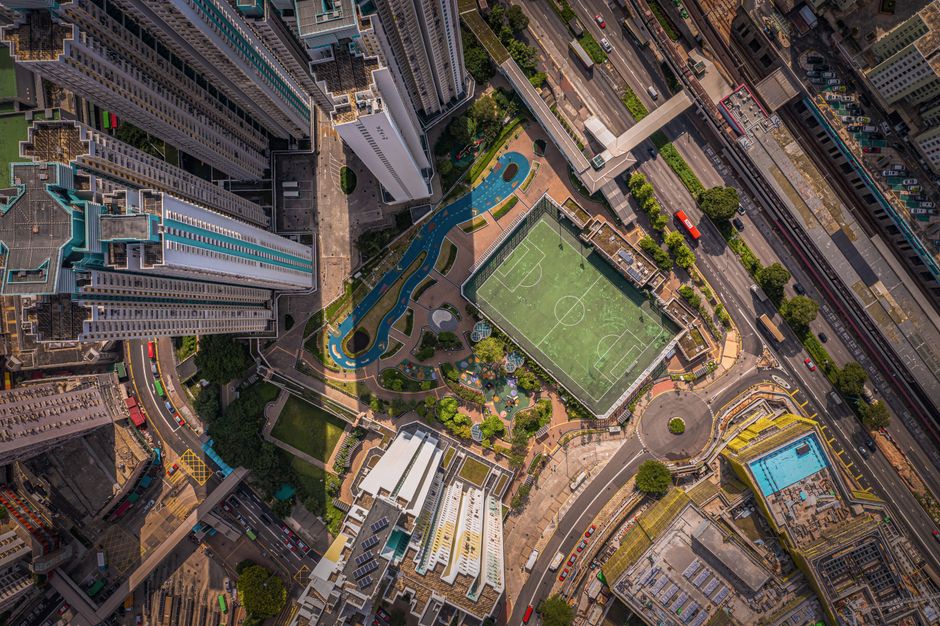
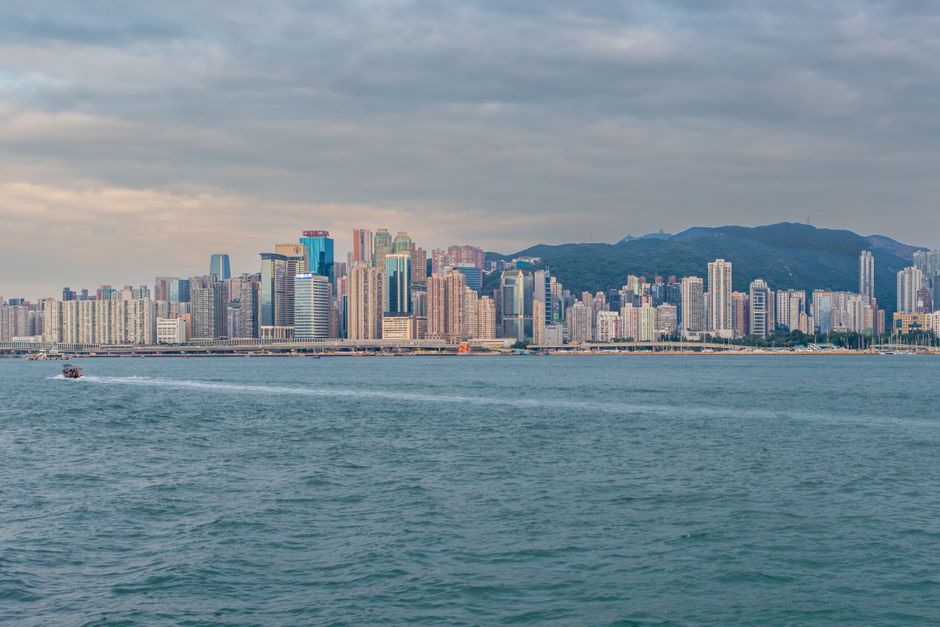
Tucked behind the gleaming office towers of Central and Wan Chai, something quietly significant is unfolding on Hong Kong's football pitches. Participation in recreational football leagues has climbed 34% over the past three years, according to data compiled by the Football Association of Hong Kong, a trend that speaks volumes about evolving attitudes toward fitness and leisure in a city traditionally dominated by running clubs and gym culture.
The numbers paint a picture of football's democratisation across Hong Kong's neighbourhoods. Sham Shui Po's public pitches near the historic wet markets now host evening five-a-side tournaments three nights a week. In Sheung Wan, converted warehouse spaces are being retrofitted with indoor courts. Even the New Territories—long considered less fashionable for organised sport—has seen amateur league registrations jump 41% since 2023, according to district sports officers.
What makes this shift particularly telling is who is playing. The growth isn't concentrated among the city's usual sporting demographic. Women's recreational football participation has tripled, with women now comprising 22% of casual league players, up from 7% five years ago. Corporate teams from finance and tech firms in Central are fielding squads at rates unseen since the early 2000s. Even age demographics tell an interesting story: players aged 35-50 now represent the fastest-growing segment, suggesting football's appeal extends far beyond the university crowd.
Price accessibility appears central to this expansion. At HK$280-400 per person for eight-week recreational league seasons at facilities like Mong Kok Sports Centre, football remains considerably cheaper than private gym memberships or tennis coaching. Public facilities across Kowloon Park, Victoria Park, and the relatively new pitches in Tseung Kwan O have absorbed much of this increased demand, though booking competition remains fierce—evening slots on weekends are typically claimed within hours of monthly releases.
The shift also reflects broader lifestyle recalibration. In previous years, Hong Kong's fitness culture centred on individual pursuits: solo runners pounding Victoria Park's track, isolated gym sessions, solitary trail runs up the Peak. Football, by contrast, demands community. It requires showing up to a specific place with specific people, creating accountability and social bonds that gym culture doesn't naturally foster.
Industry observers suggest this trend will accelerate. Grassroots development programmes now operate in 18 districts, targeting schoolchildren and young adults. The Football Association has invested in upgrading surfaces and lighting at public pitches—essential for a city where after-work play is the lifeblood of recreational sport. Whether this reflects a permanent reordering of Hong Kong's fitness landscape, or a temporary phenomenon, the data suggests something substantial is shifting beneath the city's surface.
This article was compiled by AI from the sources linked above and screened before publishing. See our editorial standards.