Sport
Numbers Don't Lie: What Hong Kong's Gym Membership Surge Reveals About Our Fitness Culture
Rising participation data paints a picture of a city embracing wellness—but with distinctly local characteristics.
3 min read
Updated 18 h ago
Sport
Rising participation data paints a picture of a city embracing wellness—but with distinctly local characteristics.
3 min read
Updated 18 h ago
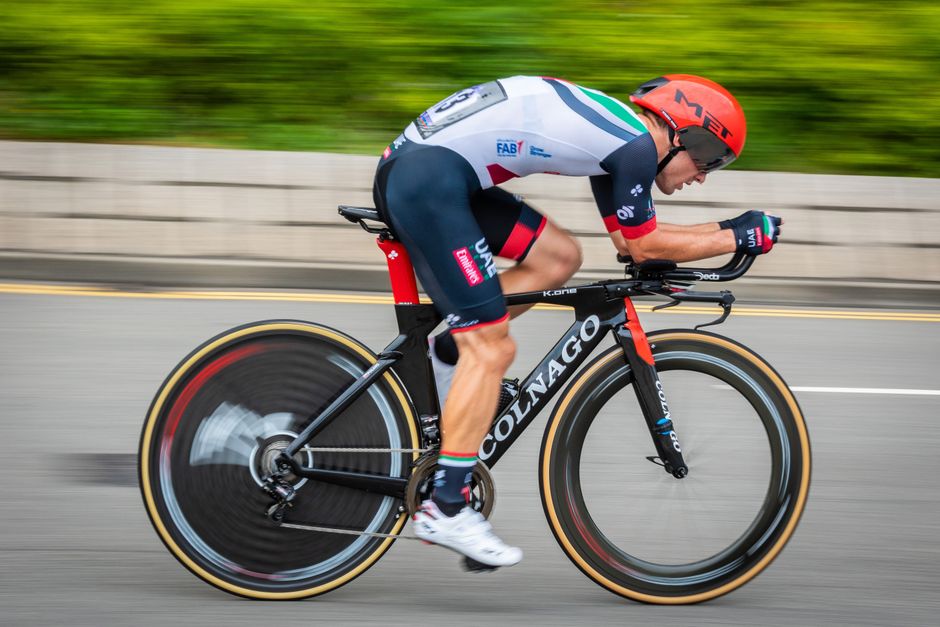
Hong Kong's fitness landscape has undergone a quiet revolution. Recent participation data from the Sports Commission and major gym operators reveals a city increasingly invested in structured training, with membership numbers climbing 23 per cent over the past three years—a figure that challenges the stereotype of Hong Kong as purely work-obsessed.
The numbers tell a nuanced story. While traditional neighbourhood gyms in areas like Mong Kok and Causeway Bay remain popular, the explosive growth has centred on boutique fitness studios and premium chains. Premium gym memberships have surged 34 per cent, even as monthly fees hover between HK$800 and HK$1,500—substantial in a city where fitness is increasingly treated as essential rather than discretionary.
What's particularly revealing is the demographic split. Data shows women now comprise 58 per cent of new gym memberships, up from 42 per cent five years ago. Across districts like Sheung Wan, Central, and Quarry Bay, female-focused training programmes—from strength conditioning to HIIT classes—command waiting lists. The trend reflects broader shifts: fitness is no longer a male-dominated pursuit in Hong Kong.
The rise of boutique studios merits attention too. Cycling studios, yoga centres, and functional training boxes have proliferated from Admiralty to Kowloon, with operators reporting average class occupancy rates of 78 per cent. This represents a departure from traditional gym culture, where isolation and repetitive weightlifting dominated.
Age patterns are equally instructive. The 25-40 demographic remains dominant, but participation among those over 50 has grown 41 per cent—suggesting fitness culture is finally shedding its youth-centric image. Community centres managed by the Urban Council continue offering affordable options (from HK$200 monthly), indicating that socioeconomic barriers haven't entirely gatekept wellness, though premium pricing increasingly divides the market.
Time-of-use data proves illuminating too. Early-morning classes before work remain peak hours, reflecting Hong Kong's perpetual time scarcity. Evening classes show steady demand, but afternoon slots—theoretically suitable for Hong Kong's compressed work schedules—remain underutilised, suggesting that fitness remains squeezed into life's margins rather than integrated as priority.
Ultimately, the participation surge indicates Hong Kong recognises physical wellness. Yet the data also exposes persistent tensions: between premium wellness culture and genuine accessibility, between faddish trends and sustainable habit-building, between individual achievement and community-centred fitness. For a city under perpetual pressure, these numbers suggest we're finally investing in ourselves—though questions remain about equity and longevity.
This article was compiled by AI from the sources linked above and screened before publishing. See our editorial standards.
About this article
Published by The Daily Hong Kong
Spread the word
Daily brief
Free, in your inbox before 7am. Weekdays.
Before you go
The day's Hong Kong news in a 2-minute read. Free, weekday mornings.