Hong Kong's Football Dream Rests on Aging Pitches and Stretched Resources
As the city's professional league attracts regional talent, crumbling stadiums and limited training facilities threaten to undermine the sport's growth ambitions.
This article was generated by AI from the linked public sources. The Daily Hong Kong is independently owned and covers Hong Kong news free from advertiser or sponsor influence. Read our editorial standards →
Hong Kong's football infrastructure tells a tale of ambition constrained by reality. While the Hong Kong Premier League has garnered increased regional attention—bolstered by investment from mainland clubs and growing television coverage—the facilities supporting the sport remain largely unchanged since the 1980s, creating a bottleneck that threatens the city's competitive standing in Asian football.
The Sports Federation and Olympic Committee of Hong Kong estimates that the territory has just eight publicly accessible natural grass pitches suitable for professional play, with the majority concentrated in Mong Kok Sports Park and Sham Shui Po. These venues, built decades ago and subject to the wear and tear of Hong Kong's humid subtropical climate, require constant maintenance that often forces fixture postponements during the rainy season. The annual maintenance budget for public football facilities stands at approximately HK$45 million—a figure that experts argue is insufficient for a city of 7.5 million people with a Premier League comprising twelve teams.
The Mong Kok Stadium, one of the flagship venues, has a capacity of just 5,500, making it inadequate for marquee matches as attendances have climbed to average 4,200 fans this season. The Sha Tin Sports Park offers marginally better facilities with its 18,000-capacity pitch, yet both venues share chronic issues with drainage and field quality during monsoon months. Private training grounds operated by individual clubs in areas like Tsuen Wan and Fanling offer respite, but their expense—often exceeding HK$8,000 per hour—means only well-funded teams can access premium facilities year-round.
The government's Sports Development Fund has allocated HK$2 billion over five years toward stadium upgrades, with a proposed new artificial turf facility planned for Tseung Kwan O. However, construction timelines suggest the project won't be operational before 2028, leaving current players and clubs navigating substandard conditions.
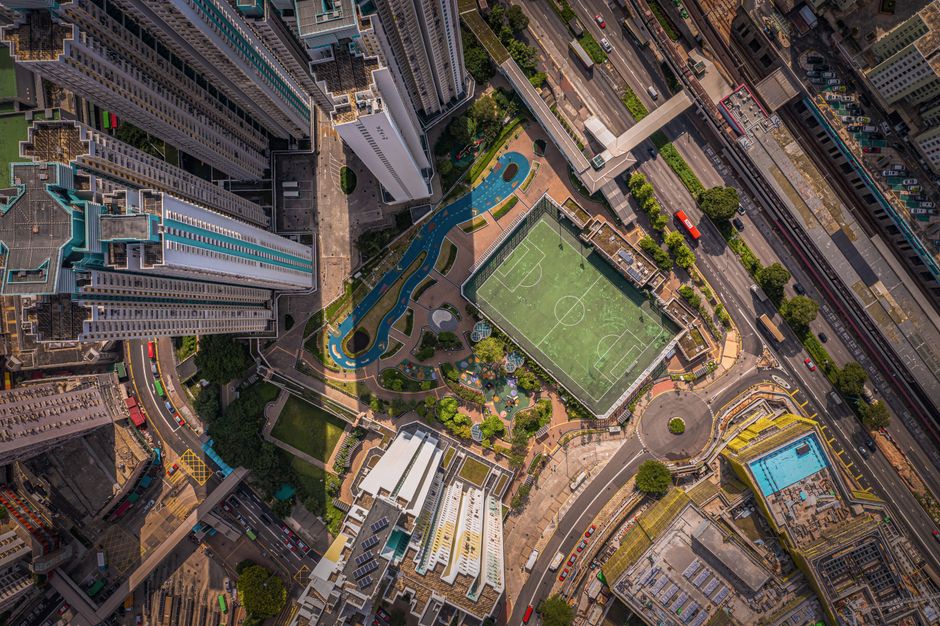
What compounds the challenge is Hong Kong's unique geography. Land scarcity means expanding existing venues is financially prohibitive, and proposals to build new stadiums face community opposition and bureaucratic delays. Meanwhile, rival Asian hubs like Singapore, Bangkok, and Busan have invested heavily in modern, multi-purpose stadiums over the past decade, gradually attracting top-tier fixtures that once gravitated toward Hong Kong.
As the league continues its gradual professionalization, the question facing stakeholders is clear: can Hong Kong's football dreams flourish on twentieth-century infrastructure? Without significant capital investment and expedited facility upgrades, the answer may well determine whether the territory remains a regional player or slips further behind in Asia's increasingly competitive football landscape.
This article was compiled by AI from the sources linked above and screened before publishing. See our editorial standards.
Covering sport in Hong Kong. This article was generated by AI from the linked sources and was not reviewed by a human editor before publishing. See our editorial standards.