As Cape Verde's unexpected World Cup run captures global attention, Hong Kong's football community is grappling with a far more domestic challenge: the state of its sporting infrastructure. While the territory boasts world-class facilities in other disciplines, its football venues have become a flashpoint in debates about whether Hong Kong can genuinely compete at the highest levels of Asian football.
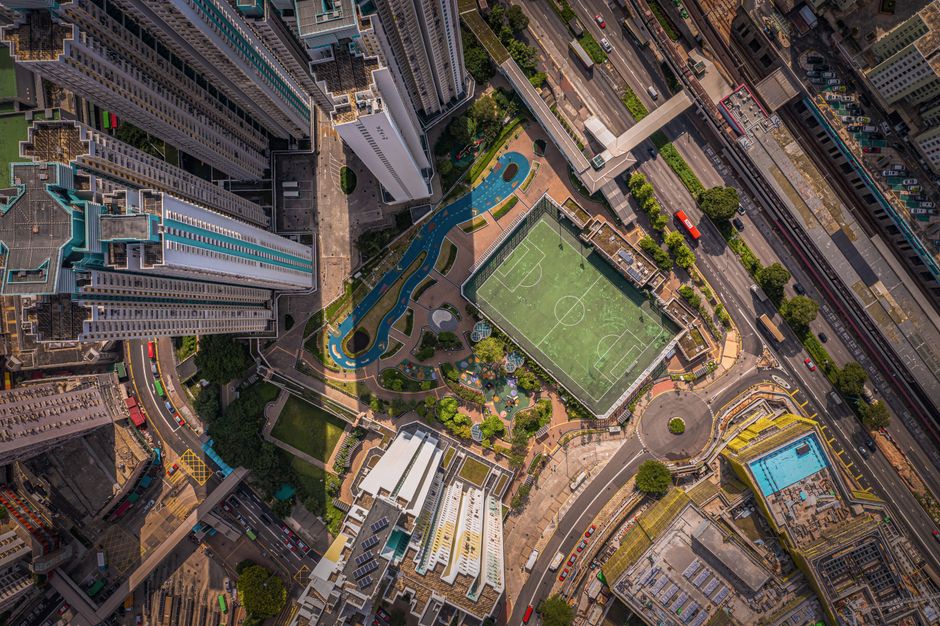
The Hong Kong Stadium in So Kon Po remains the centrepiece of local football, with a capacity of 40,000 and hosting the Hong Kong Premier League's marquee fixtures. Yet the venue, originally built in 1994, has faced persistent criticism over maintenance issues and inadequate training grounds. The neighbouring Mong Kok Stadium, with its 6,000-seat capacity, continues to serve lower-tier matches but represents ageing infrastructure that many in the sport believe constrains development.
Local clubs competing in the Premier League—including defending champions Kitchee FC and Jockey Club Mount Davis—have increasingly invested in private training facilities across the New Territories and outlying areas. Kitchee's training base in Sham Shui Po exemplifies the trend of clubs compensating for public infrastructure gaps. Yet this fragmentation creates inequality: larger, wealthier clubs access superior facilities while smaller outfits struggle.
The Hong Kong Football Association has called for substantial government investment, pointing to regional competitors. Singapore's new $600 million Sports Hub redevelopment, completed in 2014, provided an integrated ecosystem of stadiums and training centres. Meanwhile, Thailand's Suphachalasai Stadium received major upgrades ahead of hosting continental tournaments.
Dr Stephen Chow, chief executive of the Football Association, has indicated that facility modernisation remains a priority, though specific timelines and budgets remain unclear. The proposed redevelopment of Sports Road in Causeway Bay has been mooted for years but faces ongoing feasibility challenges.
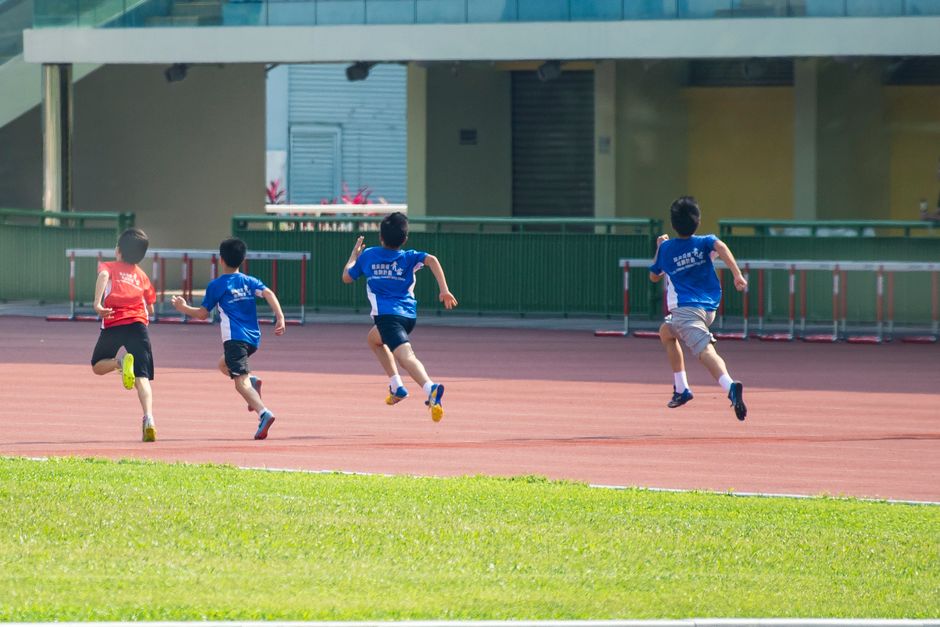
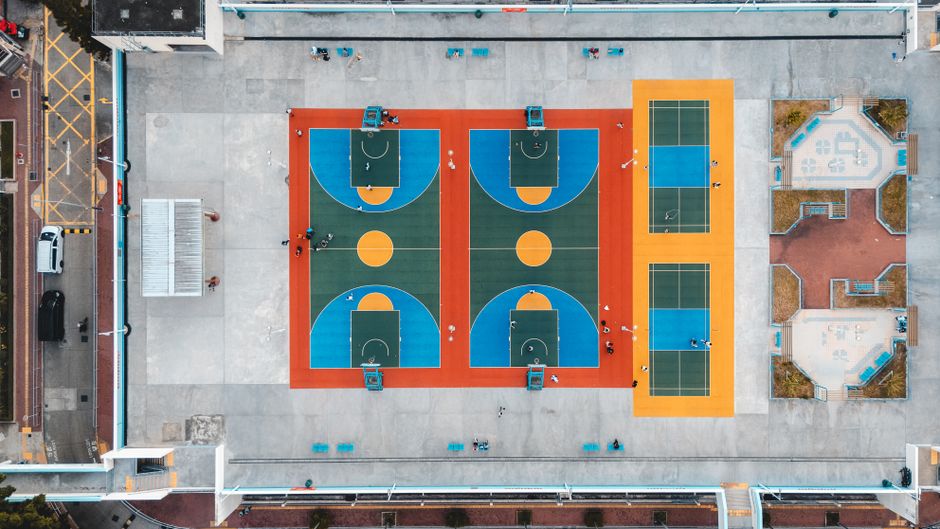
Grassroots development tells a similar story. Hong Kong's junior football programmes rely heavily on school pitches and limited municipal grounds. Youth clubs compete for access to public facilities managed by the Leisure and Cultural Services Department, with peak-hour slot scarcity pushing practice sessions into early mornings or late evenings.
As Hong Kong's professional teams pursue AFC Champions League qualification and domestic excellence, the infrastructure question looms large. Without modern, adequately distributed facilities, the territory risks falling further behind regional rivals despite possessing considerable financial resources and a passionate fanbase.
This article was compiled by AI from the sources linked above and screened before publishing. See our editorial standards.