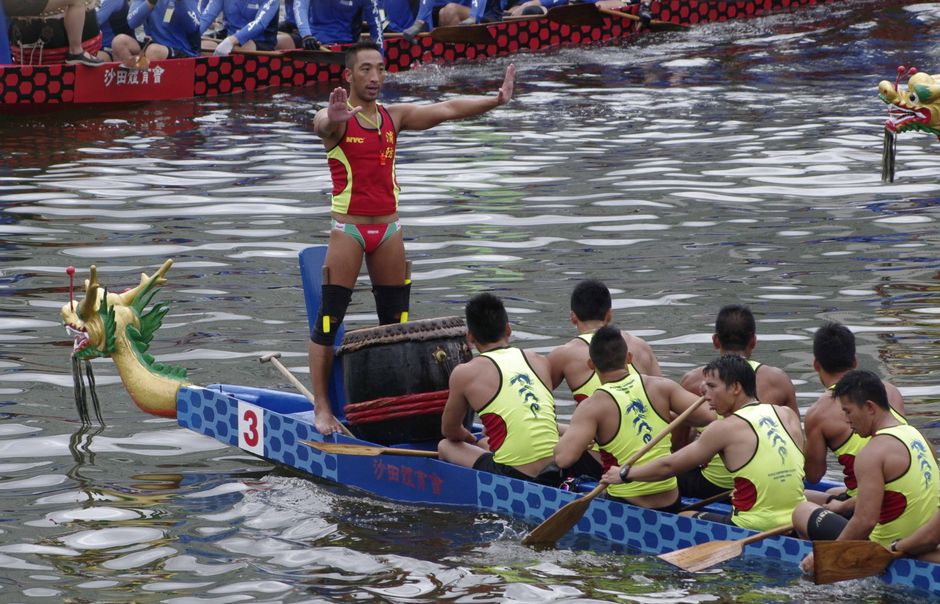
When the Shatin Dragon Boat Club's elite squad launched their new training facility in Fo Tan last month, few anticipated the ripple effect it would have across Hong Kong's broader fitness landscape. Yet three weeks into their summer conditioning block, the club's transformation of traditional dragon boat preparation has become the template younger athletes and commercial gyms are scrambling to replicate.
The 2,800-square-metre facility, nestled between the Shatin waterfront and the New Town Plaza precinct, combines Olympic-standard rowing ergometers with hyperbaric oxygen chambers and real-time lactate monitoring systems. Monthly membership runs approximately HK$2,800 for non-club members—steep by local standards, yet the waiting list has stretched to eight weeks.
What distinguishes the Shatin crew's approach isn't merely equipment investment. Their conditioning philosophy integrates periodised strength blocks with high-intensity interval protocols specifically engineered for the explosive power demands of competitive dragon boat racing. Rather than the steady-state cardiovascular emphasis that dominated the sport for decades, the club has adopted polarised training models typically associated with elite rowing and cycling programmes.
"The data showed us that traditional preparation left gaps," explains the programme's technical framework, documented in their public methodology papers. The club's winter season analysis revealed performance plateaus in athletes aged 28-35, the demographic comprising most competitive club rosters across Hong Kong.
Commercial gyms from Causeway Bay to Kowloon Tong have taken notice. ClientFit, operating six locations across Hong Kong Island, introduced "Dragon Boat Conditioning" classes this month at HK$350 per session. Fitness First expanded their Sheung Wan outpost with dedicated power-training zones mirroring the Shatin blueprint.
The trend reflects broader shifts within Hong Kong's fitness ecosystem. Post-pandemic, participation in structured team sports has surged 34 percent according to the Sports Federation and Olympic Committee of Hong Kong. Yet infrastructure hadn't kept pace. The Shatin Dragon Boat Club's investment—reportedly HK$18 million across facilities and equipment—has inadvertently solved a capacity problem plaguing coaches across multiple disciplines.
For weekend warriors training in converted industrial spaces across Chai Wan and Ap Lei Chau, the Shatin model remains aspirational. But the accessibility question lingers: as elite team-sport conditioning becomes increasingly data-driven and technology-dependent, will Hong Kong's recreational athlete base be left behind?
The answer may emerge within months. The Shatin crew's international campaign begins in August, with Asian qualifiers scheduled for September in Bangkok. Their results will either validate the investment or expose expensive infrastructure as mere fashion in a city perpetually chasing the next training trend.
This article was compiled by AI from the sources linked above and screened before publishing. See our editorial standards.