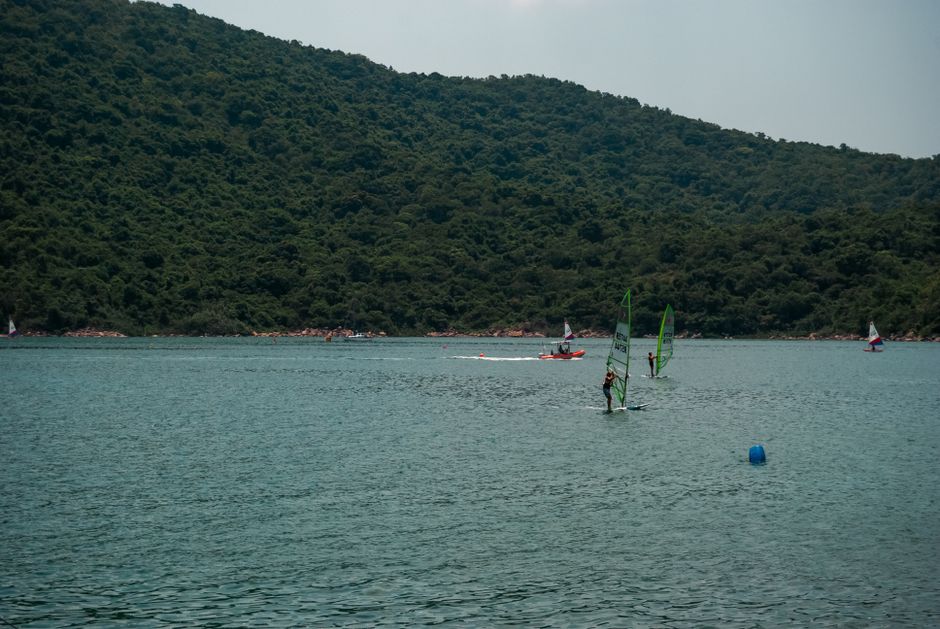
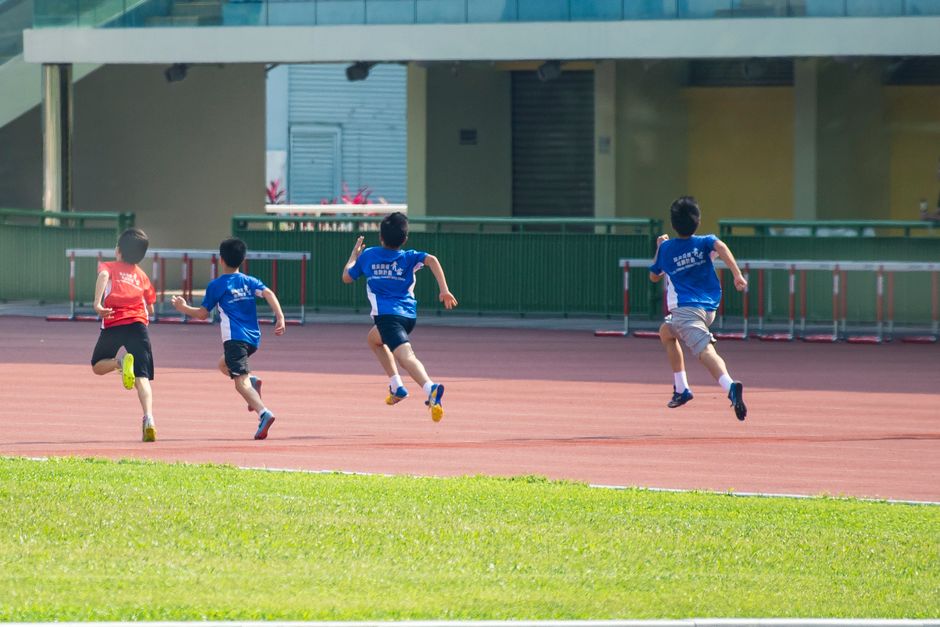
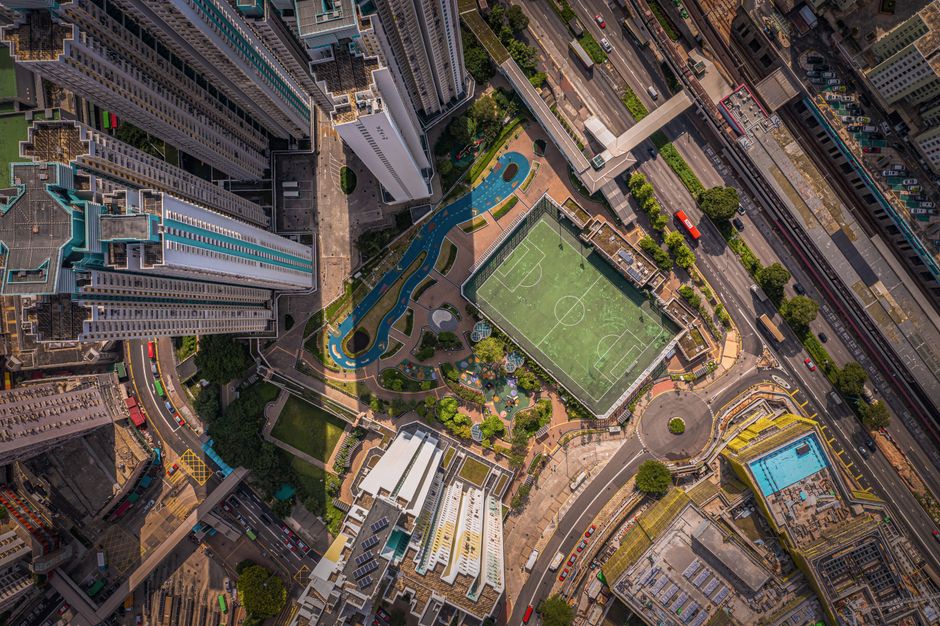
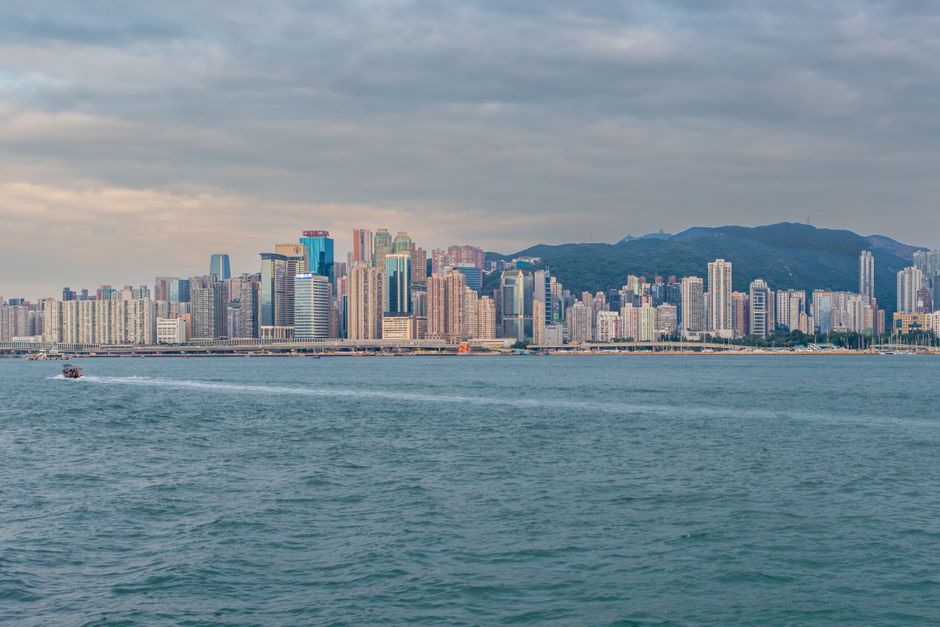
The lanes at Victoria Park Swimming Complex are packed these days, with early morning regulars queuing before gates open. It's a scene increasingly common across Hong Kong's public pools, where participation in water sports has surged by nearly 28% over the past three years, according to data from the Leisure and Cultural Services Department. This isn't mere coincidence—it reflects a fundamental shift in how Hong Kong residents are approaching fitness.
The numbers tell a compelling story. Monthly swimming visits at public facilities now exceed 1.2 million, up from 940,000 in 2023. Triathlon clubs in the territory have grown from 14 registered organisations to 31, while open-water swimming groups—once fringe communities meeting at Repulse Bay and Shek O—now operate structured programmes with waiting lists. Even stand-up paddleboarding, virtually unknown here five years ago, now attracts over 8,000 regular practitioners across venues from Sai Kung to Lantau.
Experts attribute this boom to several converging factors. Rising air quality concerns have pushed outdoor runners and cyclists toward water-based alternatives that minimise pollution exposure. Traditional gyms, facing fierce competition and rising rents across Central and Causeway Bay, have lost some appeal to activity-based fitness. And crucially, social media has transformed aquatic pursuits from solitary endeavours into community experiences—Instagram-worthy moments at Cheung Sha Beach or Dragon's Back trails have given way to shareable swimming achievements.
The economics matter too. A monthly unlimited pass at public pools costs just HK$330, while entry to premium gyms can exceed HK$1,200. For middle-income Hongkongers, water sports offer genuine value, particularly given the territory's geographical advantages. The Kowloon Park Swimming Complex in Tsim Sha Tsui and the recently upgraded facilities at Chai Wan have invested in better amenities, drawing younger demographics who might otherwise skip fitness altogether.
Perhaps most telling is the diversification beyond traditional lap swimming. Water aerobics classes—particularly popular with those over 55—have tripled in frequency. Competitive triathlon participation among corporate teams has become a status symbol, with bank and tech firms fielding squads. Meanwhile, adaptive swimming programmes for people with disabilities have expanded, reflecting broader accessibility conversations in the city.
What emerges from the data isn't simply that more Hongkongers are getting wet. It's that water sports have become democratised, destigmatised, and socially acceptable in ways that indoor fitness never achieved. In a city where space is precious and pollution unavoidable, the water offers something increasingly precious: accessible health, community, and escape.
This article was compiled by AI from the sources linked above and screened before publishing. See our editorial standards.