From Carpark to Community: How Hong Kong's Grassroots Fitness Movement Reshaped the City's Wellness Landscape
Beyond the gleaming commercial gyms of Central, neighbourhood fitness collectives in Mong Kok and Sham Shui Po are democratising exercise and building social bonds one workout at a time.
This article was generated by AI from the linked public sources. The Daily Hong Kong is independently owned and covers Hong Kong news free from advertiser or sponsor influence. Read our editorial standards →
On any given morning in Mong Kok's Buchanan Park, a loosely organised group of residents assembles with resistance bands and worn trainers for what has become Hong Kong's most authentic fitness phenomenon: the neighbourhood workout collective. What began three years ago as a handful of unemployed construction workers doing calisthenics in the carpark has evolved into a weekly gathering of nearly 80 people—grandmothers, delivery drivers, students, domestic workers—united by affordability and community rather than membership fees.
The contrast with Hong Kong's commercial fitness sector is striking. While premium gyms in Central charge upwards of HK$2,800 monthly, grassroots movements operating across Wong Tai Sin, Sham Shui Po, and Yau Ma Tei have democratised fitness culture for working-class residents traditionally priced out of air-conditioned studios. These informal networks—coordinated through WhatsApp groups and Facebook pages—now represent an estimated 15,000 active participants across the territory, according to unpublished data from the Hong Kong Sports Development Board.
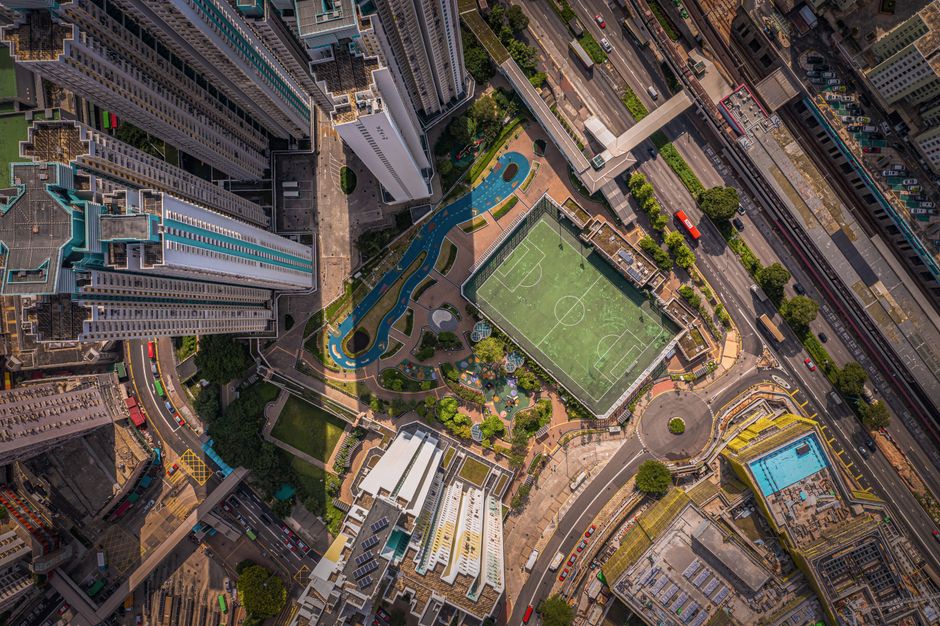
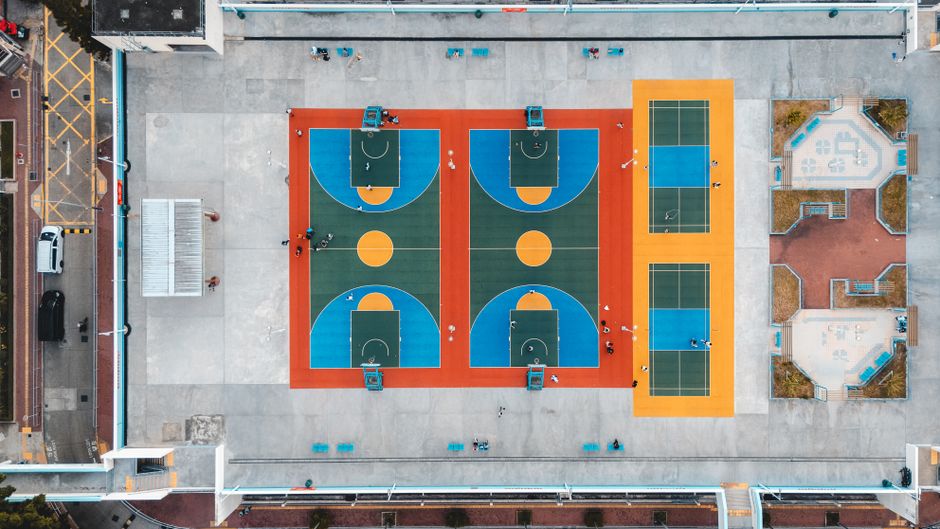
The phenomenon reflects deeper social currents. Post-pandemic, residents sought affordable wellness alternatives as gym closures forced reassessment of exercise habits. But it's also about reclaiming public space. Many groups utilise underutilised courtyards, basketball courts, and waterfront promenades—turning concrete margins into community hubs where exercise becomes secondary to social connection.
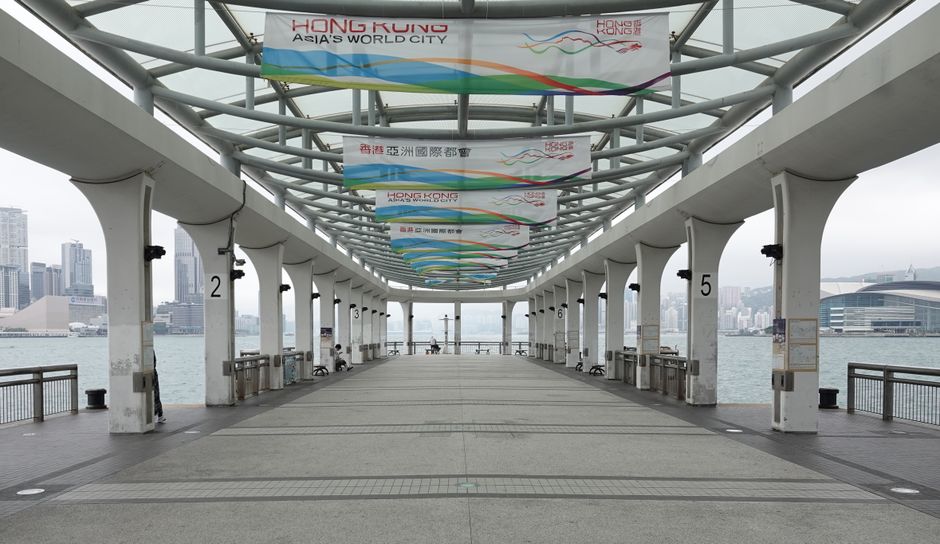
In Sham Shui Po's Apliu Street precinct, former factory worker Chan's improvised outdoor gym—fashioned from salvaged materials—has attracted international attention from urban fitness researchers. Similarly, the dawn tai chi and qigong sessions along the Tsim Sha Tsui waterfront have expanded beyond traditional practitioners to include young professionals discovering low-impact fitness alternatives.
Local organisations have taken notice. The Tung Wah Group of Hospitals and several district councils now provide modest funding and permits, recognising these movements address public health challenges cost-effectively. A 2025 survey indicated that grassroots participants reported higher consistency rates (73% attendance) than commercial gym members (31%), suggesting community accountability outweighs facility quality.
Yet challenges persist. Space remains contested—some groups face displacement as development pressures intensify. Safety concerns about unauthorised equipment use require ongoing negotiation with authorities. And accessibility gaps remain for elderly residents and those with mobility constraints.
Still, the movement's vitality signals something significant: Hong Kong's most sustainable fitness culture may not be built in chrome-finished studios but in carparks, courtyards, and community spaces where neighbours—not memberships—drive commitment.
This article was compiled by AI from the sources linked above and screened before publishing. See our editorial standards.
Covering sport in Hong Kong. This article was generated by AI from the linked sources and was not reviewed by a human editor before publishing. See our editorial standards.