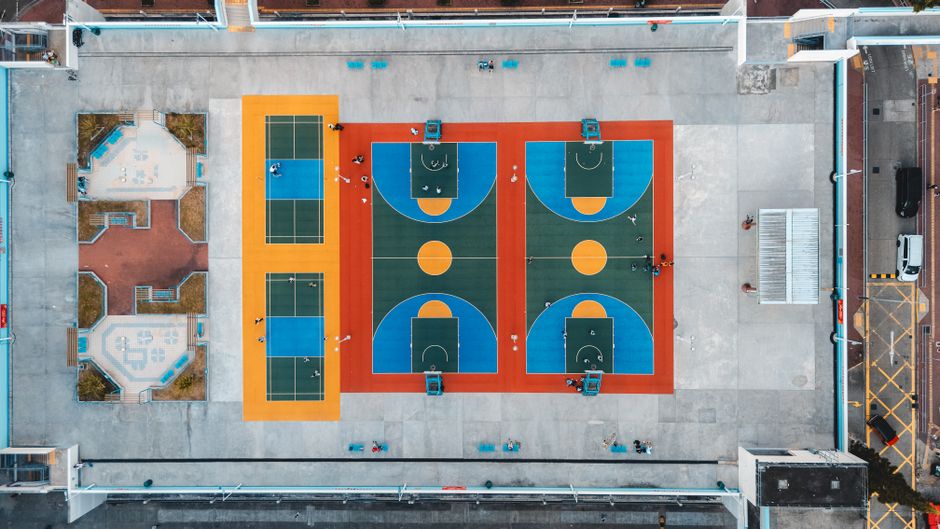
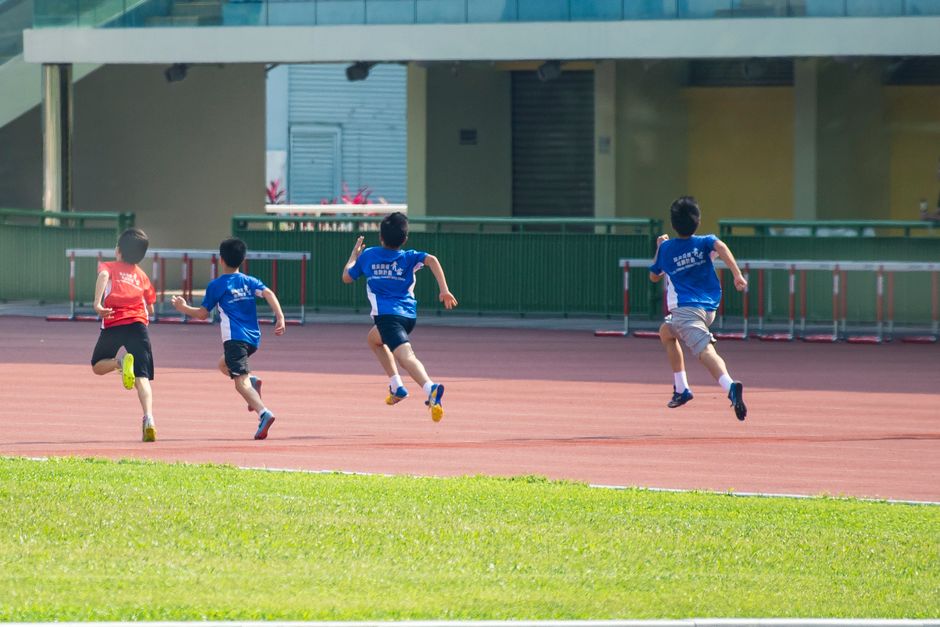
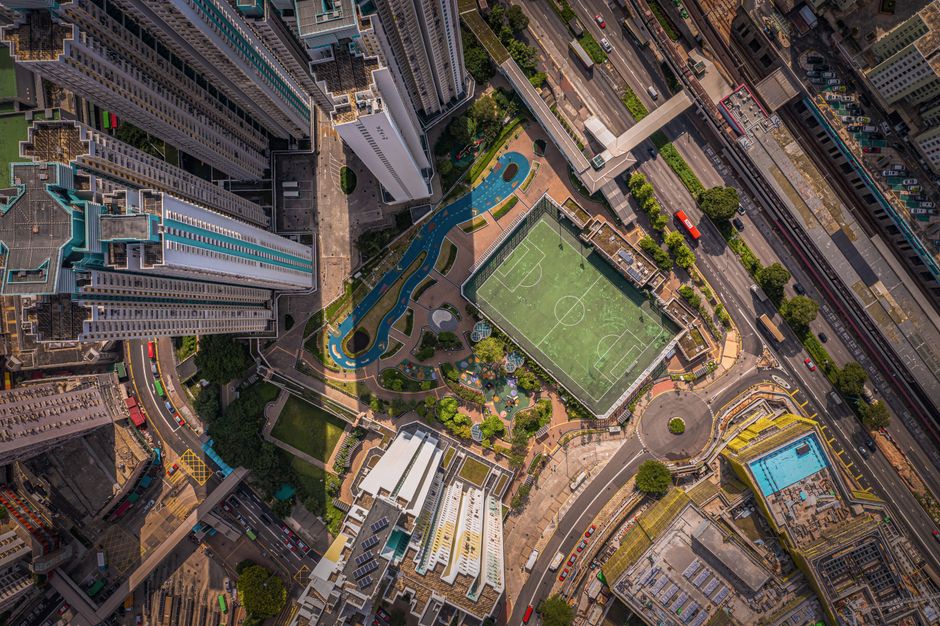
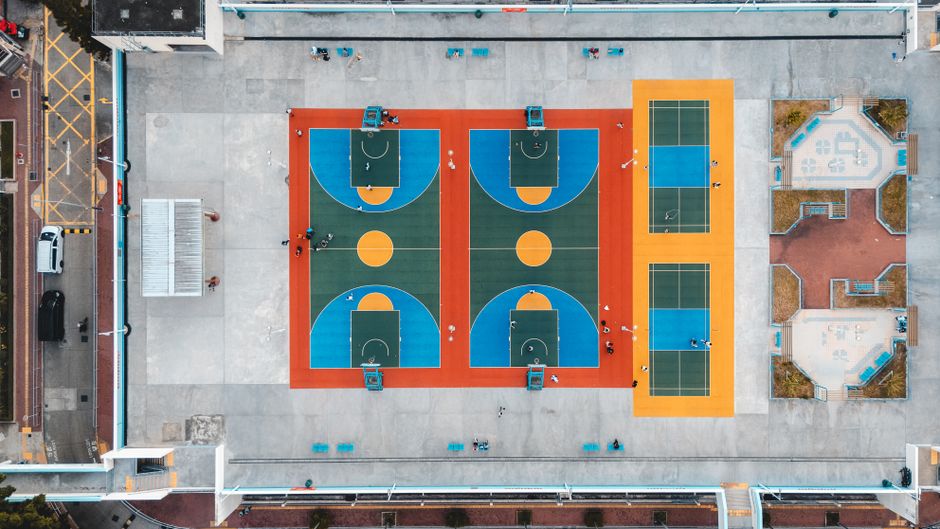
Walk past the Tuen Mun Sports Centre on any weeknight, and you'll witness a transformation that defines modern Hong Kong sport. Beyond the gleaming multipurpose halls and Olympic-standard courts, it's the steady stream of families, students, and office workers heading to local badminton clubs that tells the real story of how sport is reshaping community life across the territory.
While the Hong Kong Stadium in So Kon Po and AsiaWorld Expo continue to host marquee international events, neighbourhood sports clubs have become the true heartbeat of athletic engagement. The Sports Development Board's latest participation figures reveal that grassroots membership has grown 23% over the past three years, with community clubs now serving over 180,000 regular members—a significant shift in how Hong Kong residents engage with sport.
Take the Eastern District, where squash clubs in Quarry Bay have transformed converted warehouse spaces into thriving facilities. Entry fees of around HK$80 per court hour have democratised access to what was once an elite pursuit. On Kennedy Road in Wan Chai, amateur football leagues organised through the Hong Kong Football Association now field 47 teams across multiple divisions, each drawing 40-80 supporters weekly. These aren't professional outfits—they're accountants, teachers, and delivery drivers who've built genuine social networks through shared competition.
The model extends to swimming. Local pools in Kowloon Bay and Causeway Bay, managed by the Leisure and Cultural Services Department, host 15 competitive swimming clubs that train around 2,500 young athletes. Membership sits at approximately HK$300 monthly, making elite coaching accessible beyond traditional private clubs.
What's particularly striking is how these venues function as social anchors. The Sai Wan Ho Sports Centre now hosts not just badminton tournaments but community forums, health seminars, and family fitness days. Parent networks have formed organically around children's training schedules, creating social infrastructure that extends far beyond sport.
Infrastructure investment has helped. The recent upgrades to Tseung Kwan O Sports Centre and the expansion of facilities in Sha Tin have reduced geographic barriers, particularly for New Territories residents. The government's HK$1.2 billion sports facility upgrade programme, spread across 2024-2026, prioritises community access alongside elite training capacity.
Club officials report sustained demand despite Hong Kong's fast-paced lifestyle. Many attribute this to sport's dual function: competitive outlet and community refuge. In a city of 7.5 million where space is precious, these neighbourhood venues offer something increasingly rare—accessible gathering spaces where consistent participation builds genuine relationships.
As international sporting events rotate through Hong Kong's premier venues, it's these local clubs transforming how the territory experiences sport, one badminton rally and football match at a time.
This article was compiled by AI from the sources linked above and screened before publishing. See our editorial standards.