Hong Kong's Aquatic Ambitions: Can Our Aging Pool Network Keep Up With Growing Water Sports Demand?
As participation in swimming and water sports surges across the territory, ageing facilities and limited venues are putting pressure on Hong Kong's aquatic infrastructure.
This article was generated by AI from the linked public sources. The Daily Hong Kong is independently owned and covers Hong Kong news free from advertiser or sponsor influence. Read our editorial standards →
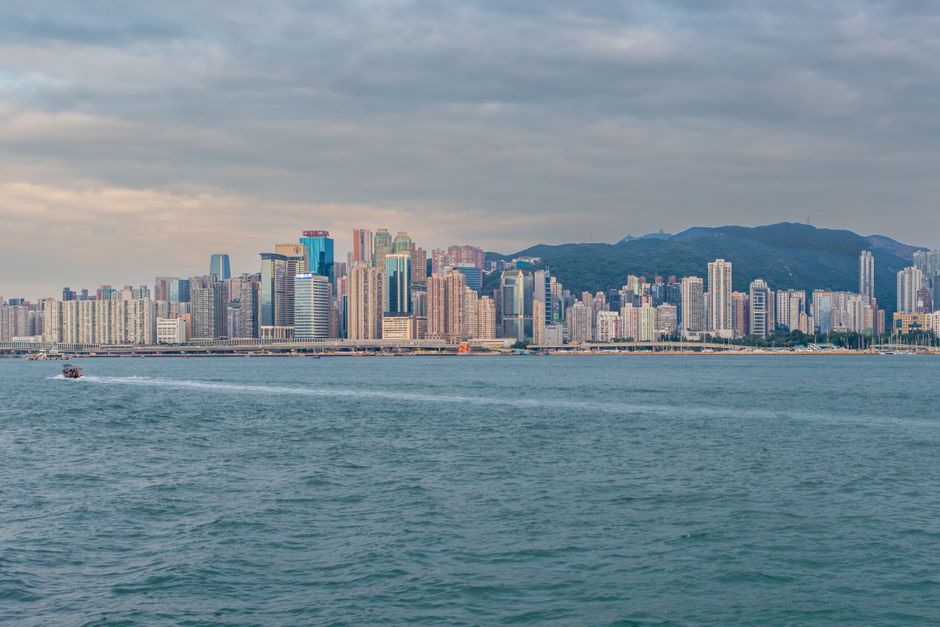
Hong Kong's relationship with water is fundamental—surrounded by Victoria Harbour and the South China Sea, the city has long promoted itself as a water sports destination. Yet a closer look at the facilities supporting competitive and recreational swimming reveals a system struggling to meet surging demand from a population increasingly drawn to aquatic pursuits.
The territory operates 44 public swimming pools managed by the Leisure and Cultural Services Department, with flagship facilities scattered across densely populated neighbourhoods. The Victoria Park Pool in Causeway Bay remains one of the most utilised venues, hosting everything from school galas to Masters competitions. Similarly, the Tuen Mun Swimming Pool complex on Castle Peak Road serves the New Territories, though users frequently report overcrowding during peak hours. Standard admission costs around HK$17 for adults, making public pools accessible—but capacity constraints mean many swimmers face lengthy waiting times, particularly on summer weekends.
Hong Kong's only Olympic-sized aquatic centre, the Shatin Aquatic Centre in the Shatin Sports Complex, opened in 2011 and remains the principal hub for elite training and international competition. Its dual 50-metre pools and modern facilities have positioned the territory to host regional championships, yet maintenance backlogs and ageing infrastructure have become concerns. The government allocated HK$500 million for pool upgrades across the network in the 2024-2025 budget, but renovation cycles stretch years—leaving swimmers navigating temporary closures and reduced lane availability.
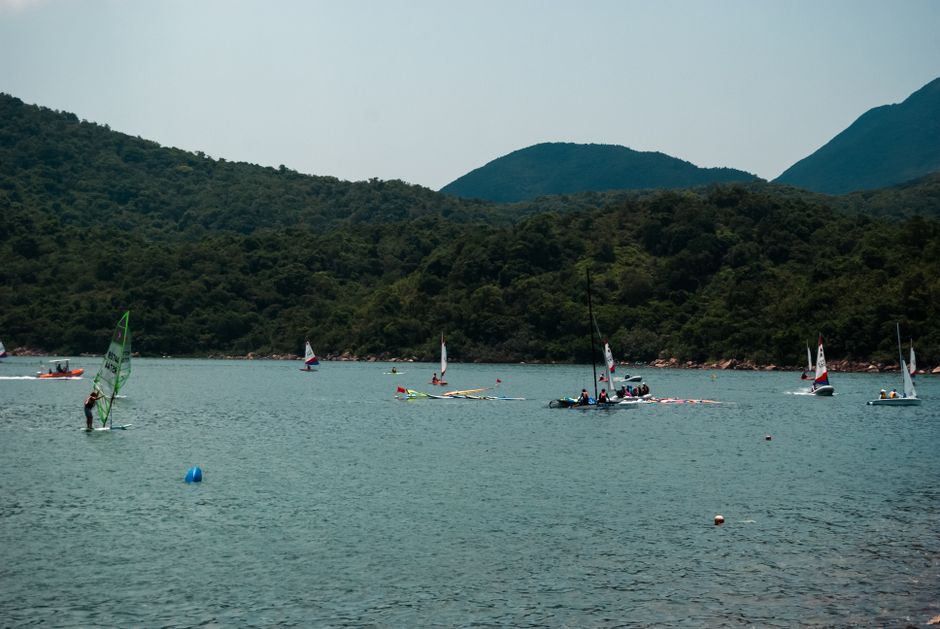
Beyond traditional pools, Hong Kong's open-water swimming culture thrives despite challenges. Venues like Repulse Bay, Deep Water Bay, and South Bay attract thousands during summer months, though water quality monitoring and seasonal closures during harmful algal blooms remain persistent headaches. The Hong Kong Amateur Swimming Association sanctions approximately 30 open-water events annually, yet infrastructure—changing facilities, lifeguard stations, safety equipment—remains inconsistent across beaches.
Private facilities offer premium alternatives. Clubs like the Hong Kong Football Club in Happy Valley and the Ladies' Recreation Club in Midlevels provide superior amenities and less crowded lanes, but membership fees exceeding HK$15,000 annually price out recreational swimmers. This two-tier system reflects broader concerns about equity in Hong Kong sports access.
As water sports participation grows—swimming participation rates have climbed 12% over five years according to Sports Development Board figures—the strain on existing venues intensifies. Without accelerated infrastructure investment and strategic planning, Hong Kong risks constraining the very activities that define its aquatic identity.
This article was compiled by AI from the sources linked above and screened before publishing. See our editorial standards.
Covering sport in Hong Kong. This article was generated by AI from the linked sources and was not reviewed by a human editor before publishing. See our editorial standards.