From Mong Kok to Mid-Levels: How Hong Kong's Local Football Clubs Are Thriving and Building Community
As the territory's grassroots game flourishes, neighbourhood clubs are becoming social anchors—proving that football in Hong Kong extends far beyond the pitch.
This article was generated by AI from the linked public sources. The Daily Hong Kong is independently owned and covers Hong Kong news free from advertiser or sponsor influence. Read our editorial standards →
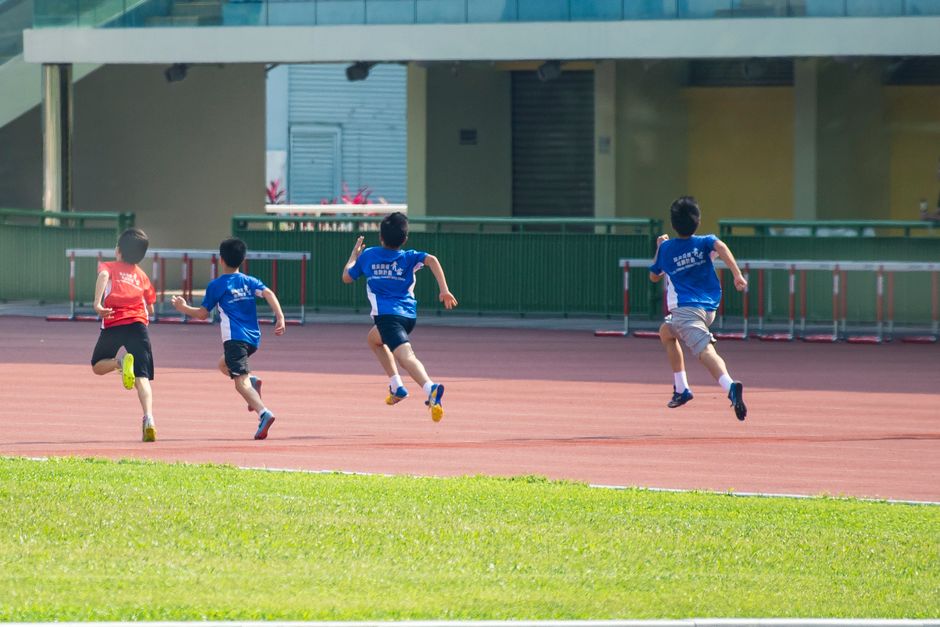
Walk through the industrial estates of Tseung Kwan O on a Saturday morning and you'll find something quietly remarkable: packed training sessions, waiting lists for youth academies, and parents queuing at club canteens before matches. Hong Kong's local football clubs are experiencing a resurgence that extends well beyond win-loss records, evolving into genuine community institutions that bind neighbourhoods together.
The statistics tell part of the story. Since 2023, participation in district-level football clubs across the New Territories and Kowloon has grown by 34 per cent, according to the Hong Kong Football Association. Clubs operating from community centres in areas like Sham Shui Po, Mong Kok, and Kwun Tong report membership waiting lists stretching months ahead. Many charge modest fees—typically HK$200-400 monthly for youth programmes—making the sport accessible in a city where premium gym memberships routinely exceed HK$1,000.
What's driving this phenomenon isn't new investment from above, but rather organic growth from below. Clubs like those operating from Victoria Park's training grounds and the sprawling pitches adjacent to Junk Bay have become social hubs where working families find affordable recreation and young players develop genuine pathways. Several established clubs now offer free coaching sessions for underprivileged youth, partnering with district councils and NGOs to remove barriers to entry.
The community impact extends beyond match days. Football clubs operating from neighbourhood venues in Wong Tai Sin and Sai Wan Ho have become gathering points for intergenerational connection—grandfathers watching grandchildren train, parents volunteering as assistant coaches, local shopkeepers sponsoring kits. This social fabric proves particularly valuable in a densely populated city where genuine community space remains precious.
Local administrators point to genuine structural shifts. The revival of inter-district competitions, expanded youth leagues across public estates, and increased media coverage of lower-division clubs have created visibility that previously barely existed. What was once confined to elite circles now reaches everyday Hong Kong.
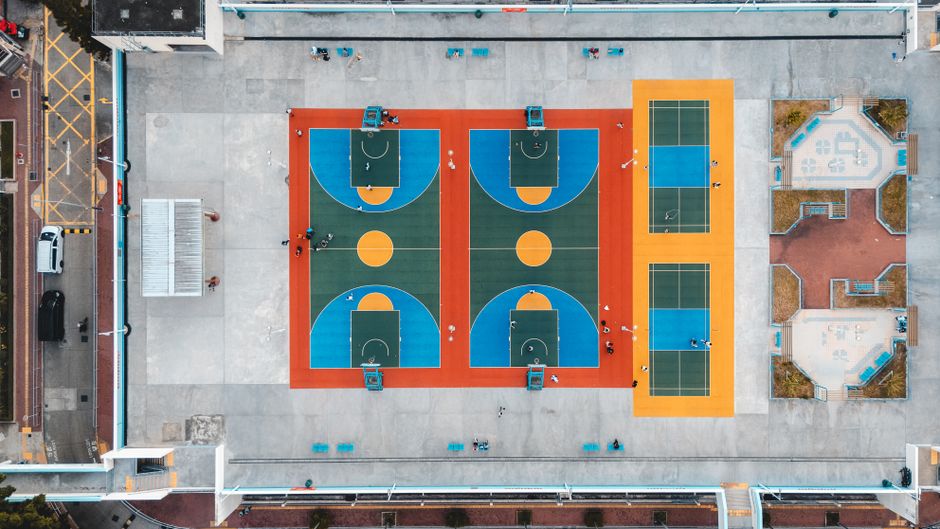
The terrain remains challenging. Pitch access remains limited, and many neighbourhood clubs operate from cramped, shared facilities. Yet players and parents consistently cite something intangible: a sense of belonging. In a metropolis of 7.5 million that often feels atomised, these clubs offer something increasingly rare—authentic local community rooted in sport.
That's worth more than any trophy.
This article was compiled by AI from the sources linked above and screened before publishing. See our editorial standards.
Covering sport in Hong Kong. This article was generated by AI from the linked sources and was not reviewed by a human editor before publishing. See our editorial standards.