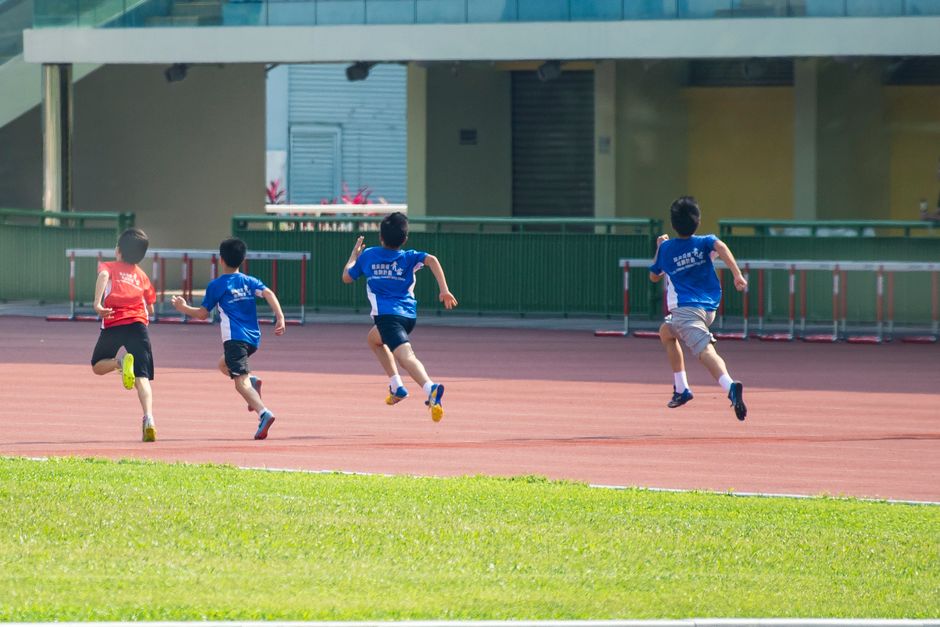
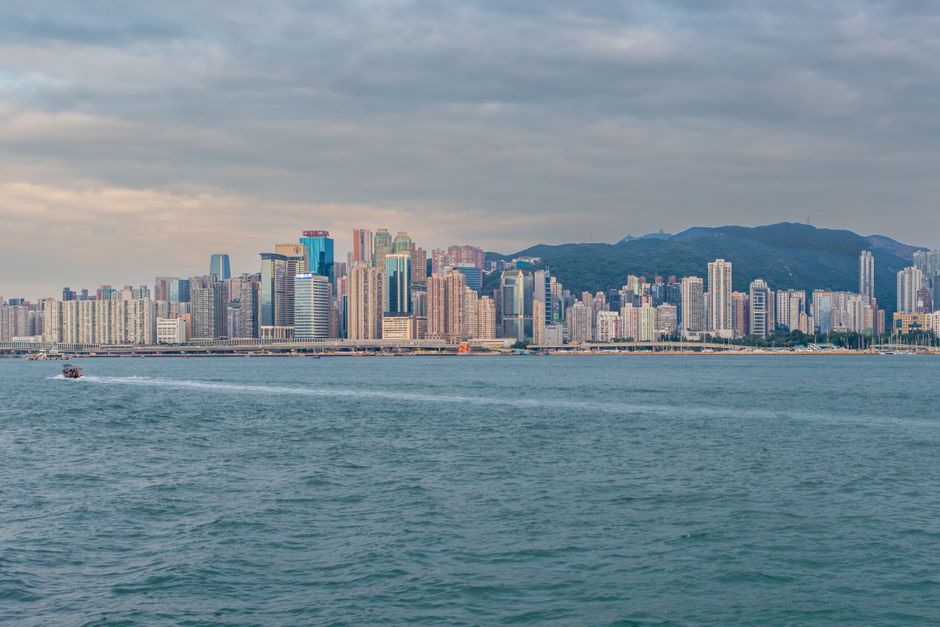
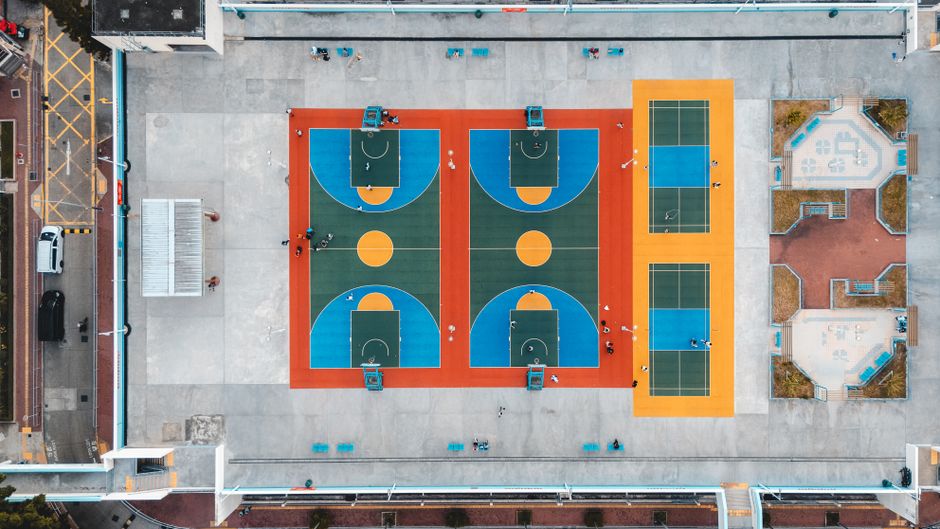
Walking past the outdoor courts on Cotton Tree Drive on any weeknight, you'll find them packed—badminton rackets clacking, sneakers squeaking on concrete. This scene repeats across Hong Kong's neighbourhoods, where amateur sports clubs have quietly become some of the most vibrant community anchors in a city often defined by its corporate towers and relentless pace.
The numbers tell a compelling story. Hong Kong's Sports Development Board reports that recreational league participation has grown 23 per cent over the past four years, with amateur badminton, futsal, and volleyball clubs leading the surge. The Hong Kong Amateur Sports Association now oversees more than 450 registered clubs, many operating from modest spaces in community centres across neighbourhoods like Sham Shui Po, Chai Wan, and Tuen Mun.
At the grassroots level, affordability has driven much of this growth. A typical season membership at local futsal clubs in areas like Mong Kok ranges from HK$800 to HK$1,500, making competitive sport accessible beyond Hong Kong's elite private clubs. Victoria Park's recently renovated multipurpose courts have become focal points for evening leagues, where office workers trade their desks for volleyball nets, creating tight-knit teams that extend friendships beyond court boundaries.
"These clubs function as genuine community spaces," says Kelvin Wong, who coordinates recreational programming at Causeway Bay Sports Centre. "Members aren't just showing up for games—they're building networks, finding belonging."
The pandemic paradoxically accelerated this trend. When formal competitions halted, neighbourhood clubs pivoted rapidly, organising casual leagues that felt safer and more intimate. Many maintained those structures even as restrictions eased, recognising they'd tapped into something valuable. Today, weekend futsal tournaments in Kowloon Bay draw teams from across the territory, while badminton leagues in Central's indoor facilities operate year-round with waiting lists.
Perhaps most significantly, these clubs have become vehicles for intergenerational connection. Family-oriented leagues in districts like Tuen Mun and Kwun Tong deliberately blend age groups, with results that local coordinators describe as transformative for neighbourhood cohesion.
As Hong Kong continues navigating rapid urbanisation, these amateur clubs represent something increasingly precious: spaces where residents genuinely know each other, where competition is spirited but connections are sincere, and where a Wednesday evening on a Sham Shui Po court matters as much as any professional fixture.
This article was compiled by AI from the sources linked above and screened before publishing. See our editorial standards.