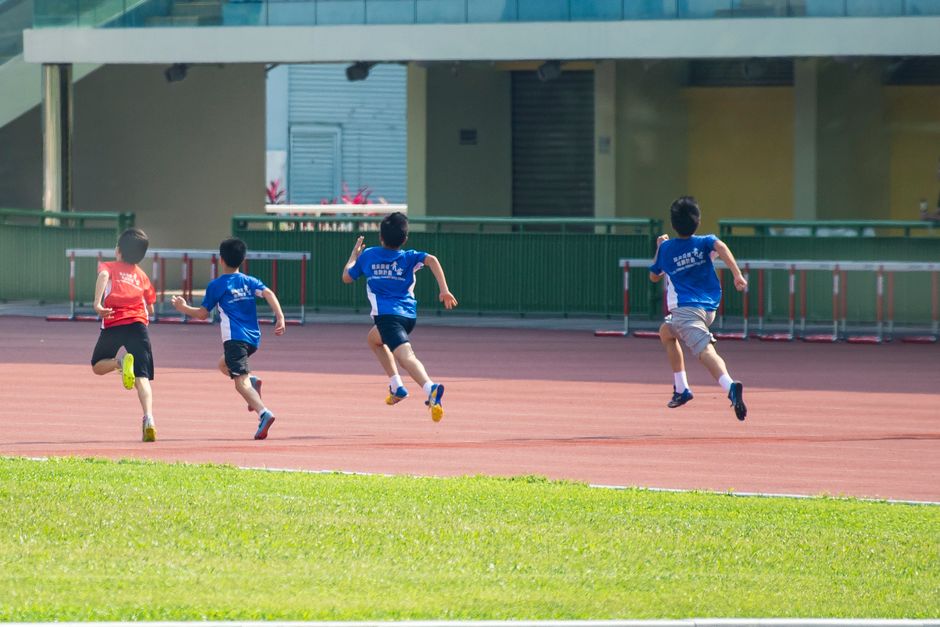
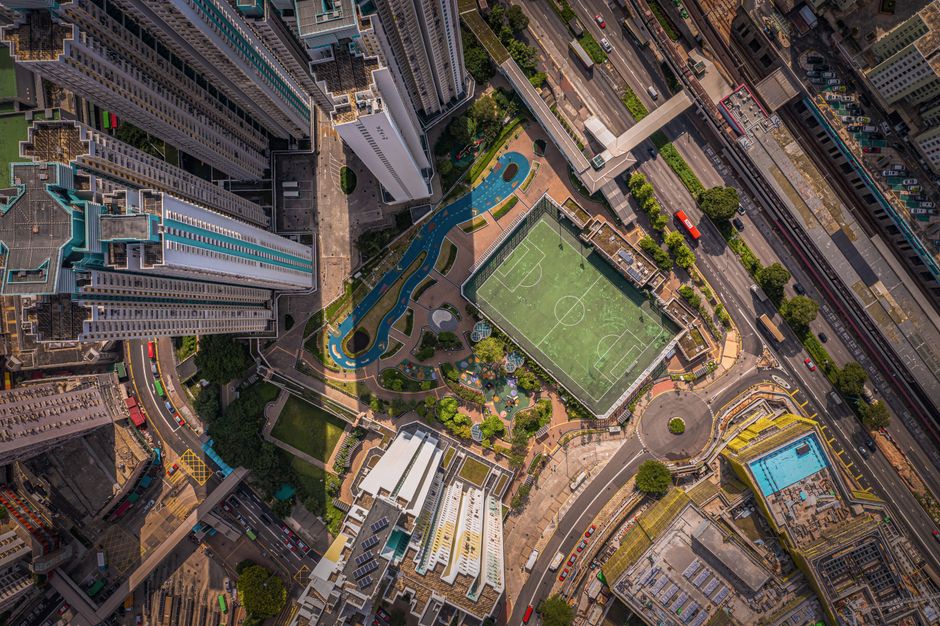
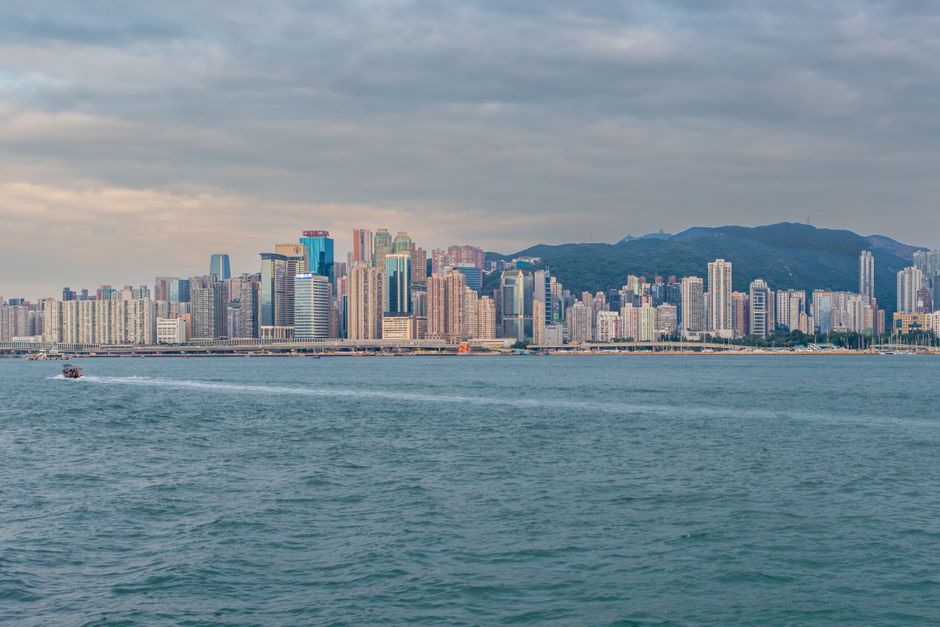
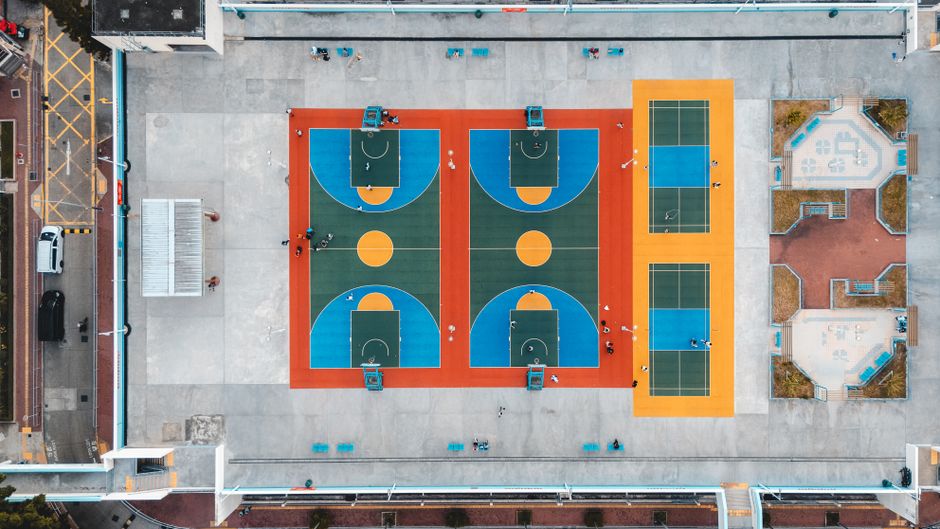
On any given Saturday morning, the badminton courts at Victoria Park hum with activity. Players arrive before dawn to secure prime slots, their kit bags slung over shoulders, ready for matches that matter far more than any ranking. This scene, replicated across Hong Kong's parks, leisure centres, and purpose-built venues, tells a compelling story: amateur sports clubs are experiencing a renaissance, anchoring communities in ways that extend well beyond scorelines.
The numbers reflect this vitality. According to the Leisure and Cultural Services Department, recreational sports participation among Hong Kong residents has grown steadily, with amateur club membership across football, badminton, basketball, and tennis exceeding 45,000 active players. In neighbourhoods from Causeway Bay to Sham Shui Po, clubs operating from government-subsidised centres charge between HK$800 to HK$2,500 monthly for structured league play—affordable barriers that keep sport genuinely accessible.
The Kowloon Football League, operating since 1987, exemplifies this phenomenon. With over 120 teams competing across divisions, the league transforms Mong Kok Stadium and pitches in Sham Shui Po into Friday-night social hubs where colleagues become teammates, and casual acquaintances develop lifelong friendships. Club secretaries report waiting lists swelling: demand now far exceeds available spots.
Similarly, the Hong Kong Badminton Association oversees amateur divisions that operate across eight leisure centres—from Causeway Bay Sports Park to Tuen Mun—attracting everyone from corporate teams to neighbourhood clusters united by nothing more than living on the same street. These aren't elite athletes; they're accountants, teachers, retired civil servants, and young professionals seeking structure, purpose, and belonging.
What distinguishes Hong Kong's amateur scene is its democratic infrastructure. Unlike elsewhere, here local clubs operate transparently, with elected committees that canvas member feedback. The Central and Western District has pioneered a community sports coordinator system, ensuring clubs align with neighbourhood needs. Sheung Wan residents can now access structured tennis leagues directly from their district's centre—eliminating commute friction that once deterred participation.
Perhaps most tellingly, clubs increasingly function as civic anchors during uncertain times. Amid rapid urban change and transient populations, amateur sports provide continuity. A player joining a Wan Chai badminton club in 2020 may still be competing with the same teammates today—a thread of stability in a fast-moving city.
As Hong Kong navigates its future, these grassroots clubs offer a quiet reminder: community isn't built through grand gestures alone. It thrives through the simple, recurring ritual of showing up—racquet in hand, ready to play, and eager to belong.
This article was compiled by AI from the sources linked above and screened before publishing. See our editorial standards.