Building Tomorrow's Champions: How Hong Kong's Aging Sports Infrastructure Shapes Youth Development
As grassroots clubs battle crumbling facilities and limited court time, Hong Kong's sports ecosystem faces a critical reckoning over investment in youth venues.
This article was generated by AI from the linked public sources. The Daily Hong Kong is independently owned and covers Hong Kong news free from advertiser or sponsor influence. Read our editorial standards →
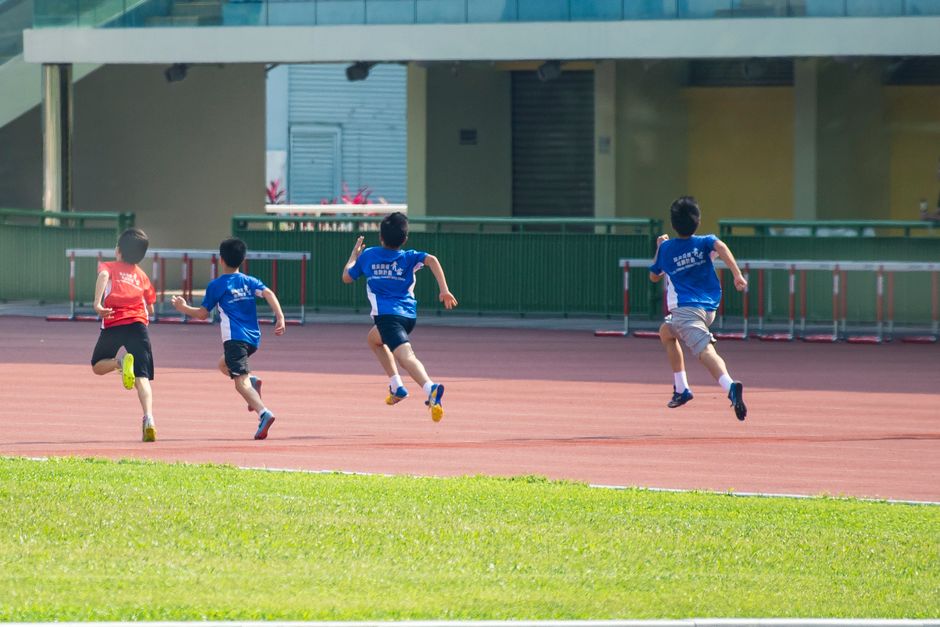
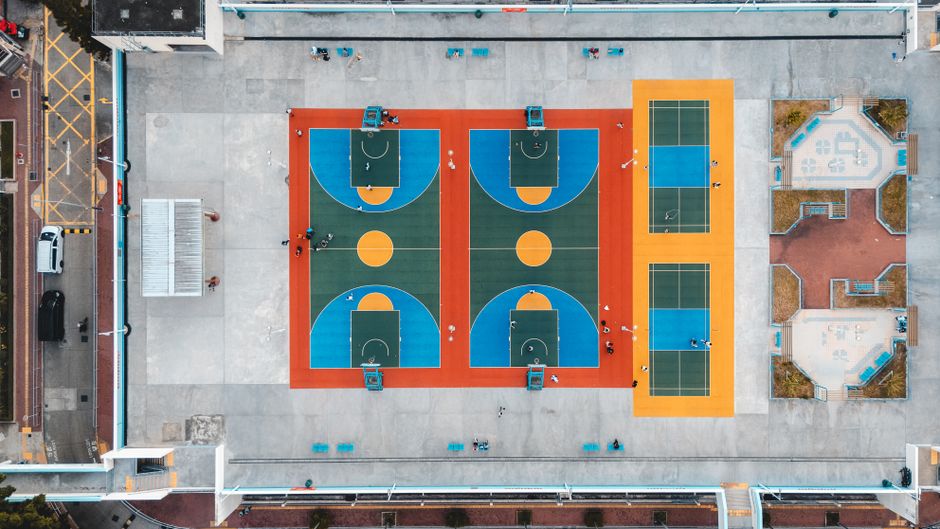
Walk into the Sham Shui Po Sports Centre on a Tuesday afternoon, and you'll find badminton courts booked solid until 10 p.m., with junior players queuing for slots that cost HK$50–80 per hour. It's a scene replicated across Hong Kong's 19 districts, where demand for youth sports facilities vastly outpaces supply, forcing grassroots clubs to improvise on aging infrastructure built decades ago.
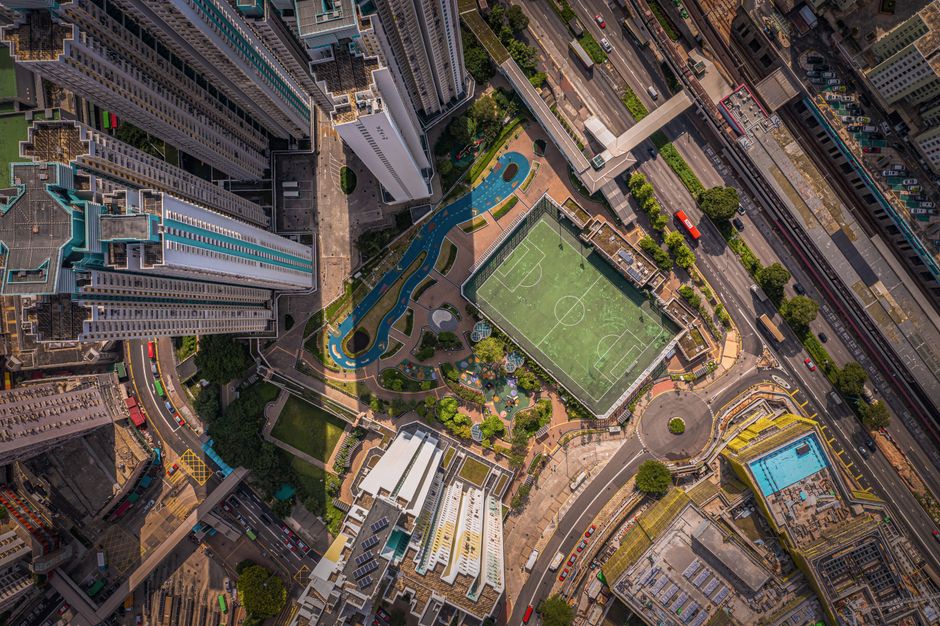
The reality is stark: Hong Kong's public sports venues, managed primarily by the Leisure and Cultural Services Department, serve over 2.3 million residents with facilities that, in many cases, predate the city's economic boom. While elite venues like the Hong Kong Coliseum and Kowloon Park Sports Centre command global attention, neighbourhood clubs operating out of converted warehouse spaces in Cheung Sha Wan and Ap Lei Chau tell a different story.
"We've got three badminton courts squeezed into a space designed for two," says one coach at a grassroots badminton club in Mong Kok, speaking on condition of anonymity. "The ceiling leaks when it rains. But where else can families afford to send their kids?" Public facility fees remain subsidised—a stark advantage—yet availability remains the bottleneck. Peak hours, typically 6 p.m. to 9 p.m., see waiting lists extending weeks ahead.
Recent district-level investments offer glimmers of hope. The Tseung Kwan O Sports Centre, opened in 2023, brought 12 badminton courts and six squash courts to the eastern New Territories. Similar developments in Tuen Mun and Tin Shui Wai have expanded capacity, yet critics argue these remain insufficient given youth sport participation rates hovering around 38% of school-age children—below neighbouring Singapore's 62%.
Private clubs fill gaps but at a premium: memberships at mid-tier facilities in Central and Causeway Bay range from HK$3,000 to HK$8,000 annually, pricing out many working-class families. Smaller grassroots organisations operating in Kwun Tong industrial buildings and Sham Shui Po backstreets survive on thin margins, relying heavily on volunteer coaches and makeshift equipment.
The infrastructure question extends beyond courts and fields. Changing facilities, coaching qualifications, and safe spectator areas remain inconsistent across districts. Yet therein lies opportunity: as Hong Kong repositions itself post-pandemic, stakeholders increasingly argue that investing in grassroots venues isn't merely civic duty—it's competitive necessity. The next generation of Hong Kong athletes won't emerge from elite academies alone; they'll come from the Sham Shui Po badminton courts at 7 p.m. on a Wednesday, if the city chooses to support them.
This article was compiled by AI from the sources linked above and screened before publishing. See our editorial standards.
Covering sport in Hong Kong. This article was generated by AI from the linked sources and was not reviewed by a human editor before publishing. See our editorial standards.