Hong Kong's football ambitions are being tested by a stark reality: the city's sporting infrastructure, while internationally respected in some disciplines, shows serious cracks when it comes to soccer.
The hongkong Football Club's SHA TIN training complex remains the gold standard for professional facilities, yet demand far exceeds capacity. With only five dedicated FIFA-standard pitches serving the entire Hong Kong Premier League—now expanded to 12 clubs—players and coaching staff regularly compete for training time during peak seasons. Costs have risen proportionally, with pitch rental in Central and Kowloon districts now exceeding HK$3,500 per hour for top-tier facilities.
The elephant in the room remains Hong Kong Stadium on So Kon Po Road in Causeway Bay. Completed in 1994 and last substantially upgraded in 2013, the 40,000-capacity venue shows its age. Drainage issues during monsoon season have forced fixture postponements, while spectator amenities lag behind modern standards. Recent renovations to seating and LED displays cost HK$200 million, yet structural limitations prevent further expansion.
Alternatively, Mong Kok Stadium in Yau Ma Tei—Hong Kong's second-largest soccer venue with 35,000 seats—operates under similar constraints. Both grounds struggle to meet UEFA and AFC standards for international tournaments, a significant disadvantage as Hong Kong pursues regional club competitions and hosting rights.
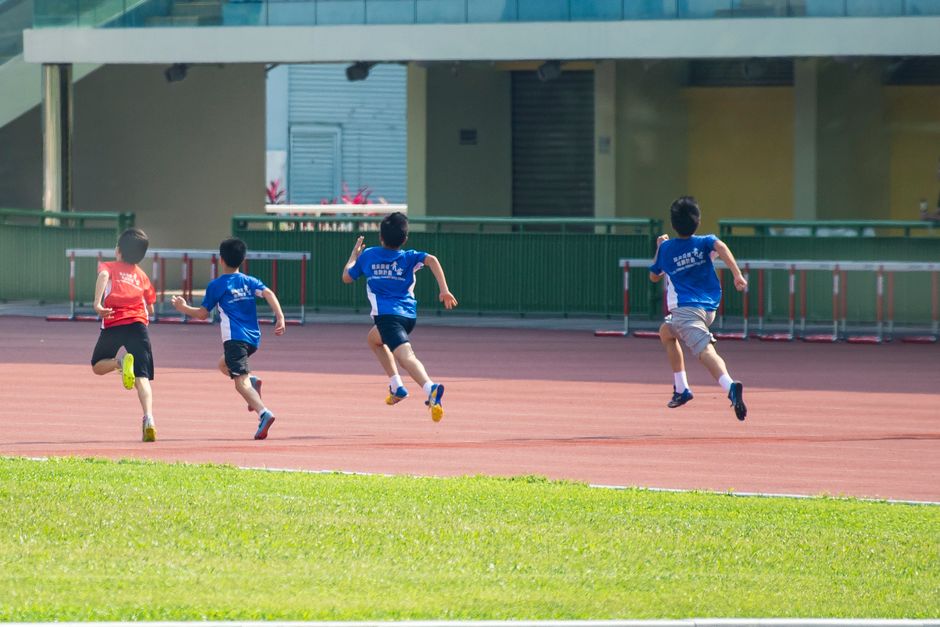
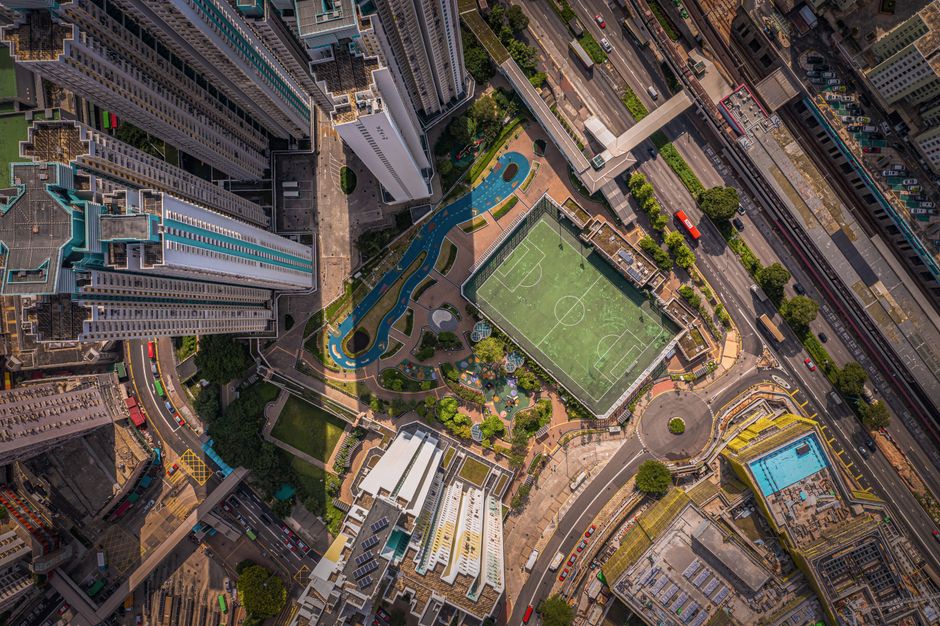
The situation extends beyond professional venues. Community football pitches across Hong Kong Island, Kowloon, and the New Territories operate at near-total capacity. District councils report waiting lists exceeding two years for grassroots teams seeking regular booking slots. Tai Po's football complex, redeveloped in 2019, provides some relief but serves primarily as a training facility rather than match venue.
Officials at the Hong Kong Football Association have acknowledged the infrastructure bottleneck. Recent strategic plans reference a proposed state-of-the-art training centre in the New Territories, capable of accommodating multiple pitches and international standards, though funding and land allocation remain uncertain.
The contrast is evident when compared with regional rivals. Singapore's football hub in Bishan and South Korea's Incheon facilities offer templates for integrated, modern infrastructure. Hong Kong's dispersed approach—mixing aging public stadiums with private club facilities—creates inefficiencies that ripple through player development and professional competitiveness.
As domestic football generates renewed commercial interest and television audiences grow, the infrastructure question becomes urgent. Without significant investment in venue modernisation and training facility expansion, Hong Kong risks squandering the momentum its clubs have built in recent seasons.
This article was compiled by AI from the sources linked above and screened before publishing. See our editorial standards.