The climbing calendar is heating up faster than the summer humidity gripping Hong Kong, with the Asia-Pacific Sport Climbing Championship finals just weeks away. Athletes across the territory are entering their final preparation phase, logging hours at indoor gyms and natural rock faces as they fine-tune their strategies for what promises to be a career-defining competition.
The Hong Kong Climbing Union has confirmed the regional finals will draw competitors from 18 nations across Southeast Asia, Japan, South Korea, and Australia. Local participants will compete in lead climbing, speed climbing, and boulder categories, with qualification spots for major international circuits already at stake. Training intensity at facilities across the New Territories and Hong Kong Island has noticeably spiked, with peak hours at climbing gyms in Sheung Wan and Kwun Tong now regularly reaching capacity by mid-afternoon.
"We're seeing athletes training six to seven days a week at this stage," said Derek Chan, director of operations at Peak Performance Climbing, one of the territory's largest indoor facilities. The gym, located on Des Voeux Road West, has expanded its advanced wall sections twice in the past eighteen months to accommodate growing demand. Standard monthly memberships run approximately HK$1,200, with elite-level training packages reaching HK$3,500 monthly.
Beyond the indoor circuit, Victoria Peak and the dramatic granite formations near Sai Kung remain essential training grounds. The Sai Kung East Country Park, particularly around High Island Reservoir, hosts dozens of established climbing routes ranging from beginner to elite difficulty levels. Weekend traffic to these natural venues has increased by roughly 40 percent since January, according to visitor statistics from the Agriculture, Fisheries and Conservation Department.
Safety remains paramount as climbers pursue increasingly ambitious ascents. The Sport Climbing Association of Hong Kong has mandated updated certification protocols for all competition participants, requiring proof of formal safety training completed within the past two years. Equipment costs for serious competitors typically exceed HK$8,000 annually when accounting for climbing shoes, harnesses, ropes, and protective gear.
The championship finals will run over four days in late July, with qualifying rounds determining bracket placements. Spectator interest has grown considerably, with organisers expecting approximately 2,000 attendees across competition days. Live streaming will be available through the Asia-Pacific Climbing Federation website, bringing local talent to a regional audience measured in the hundreds of thousands.
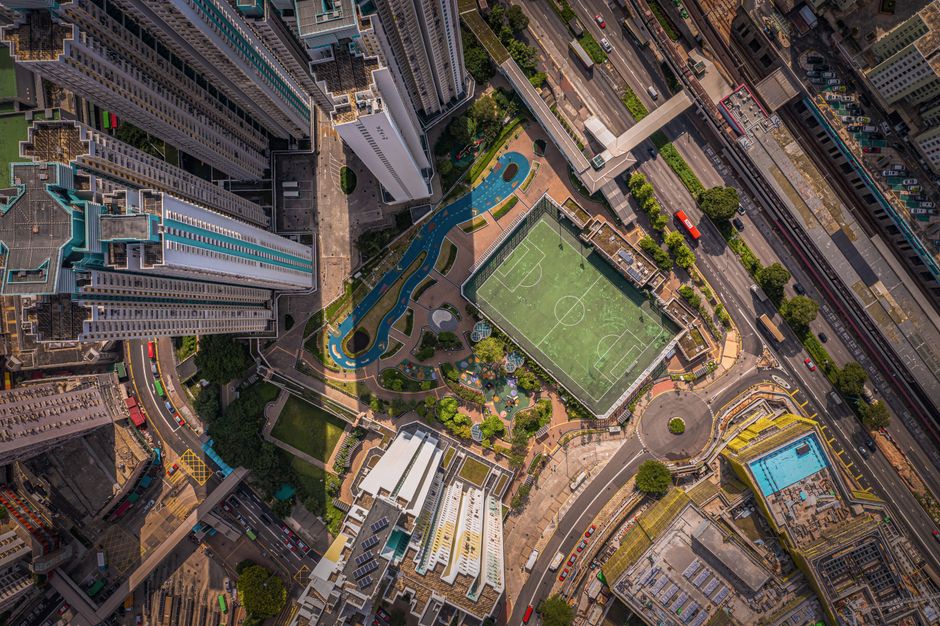
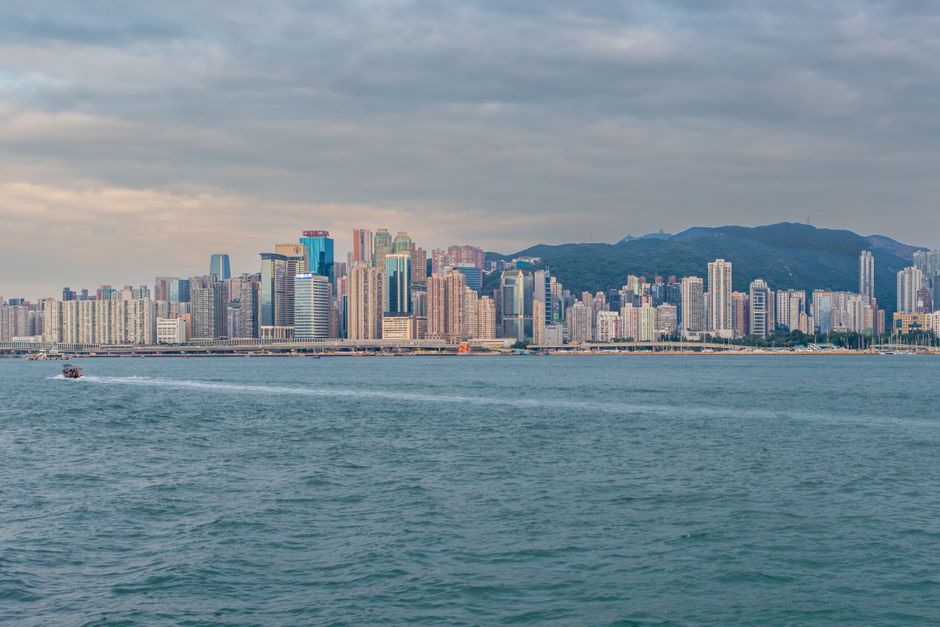
For Hong Kong's climbing community, these finals represent more than medals and rankings—they're a chance to showcase why this densely urban territory has become an unexpected climbing destination, where towering skyscrapers share airspace with ancient granite peaks.
This article was compiled by AI from the sources linked above and screened before publishing. See our editorial standards.