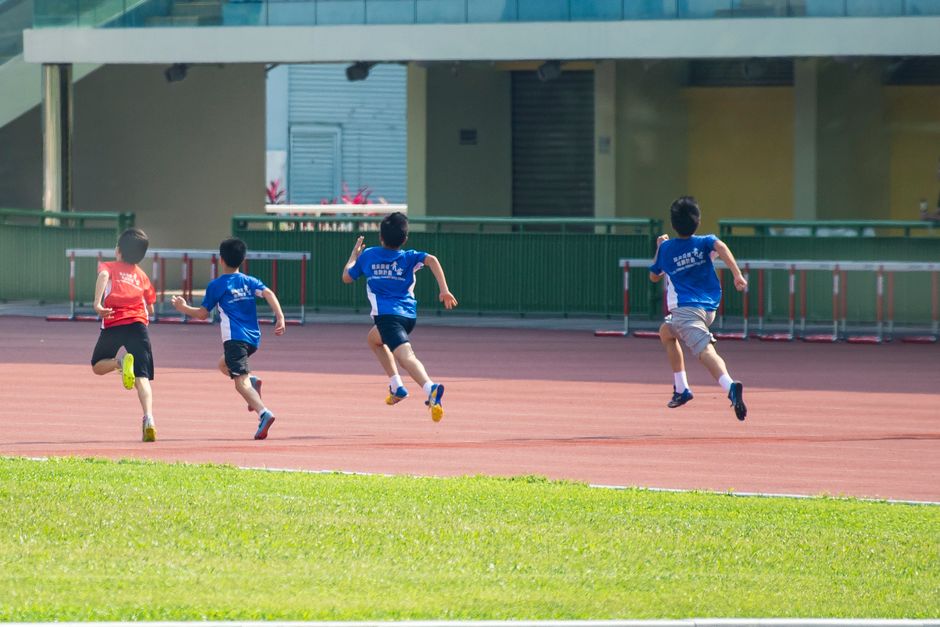
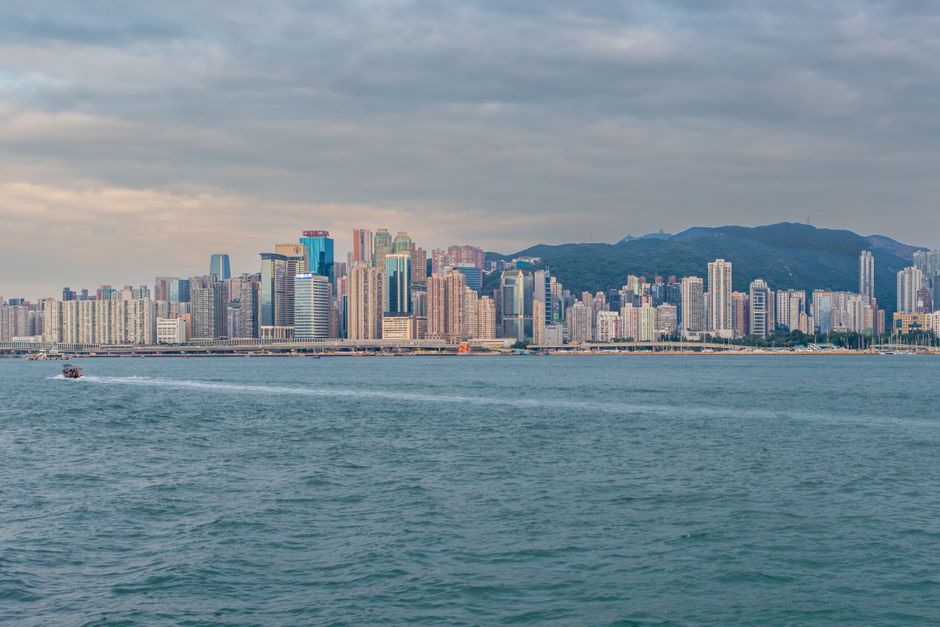
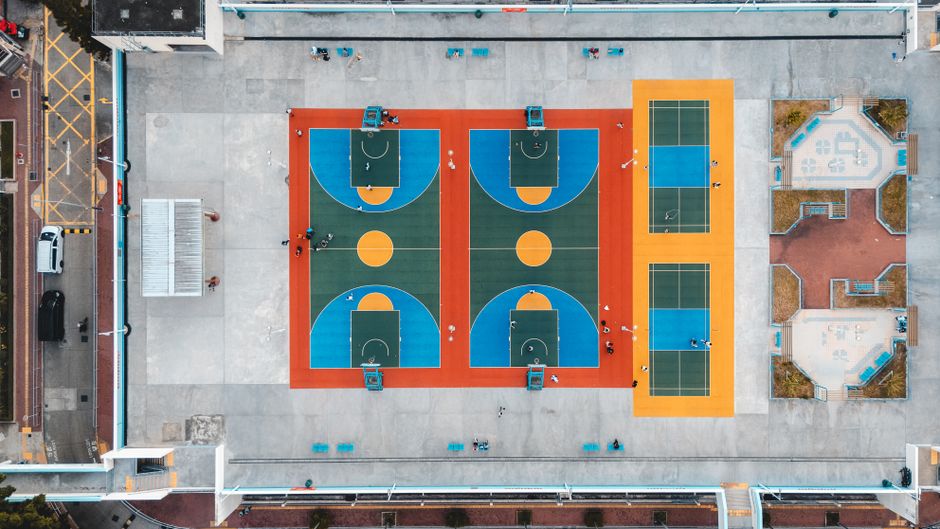
On a humid Tuesday evening in Mong Kok, thirty residents gather in a converted warehouse on Nelson Street for a bootcamp session that costs HK$50 per person. There are no fancy machines, no monthly memberships, no corporate branding. Just resistance bands, bodyweight exercises, and a coach named Tommy who learned his trade by helping neighbours train for the New Year Cup Fun Run five years ago.
This scene, replicated across Hong Kong's older neighbourhoods, represents a quiet but significant shift in how the city's working-class and middle-income residents approach fitness. While premium gyms in Central and Admiralty command monthly fees exceeding HK$1,200, grassroots fitness communities are democratising training through pay-as-you-go models, neighbourhood sports clubs, and volunteer-led initiatives that require minimal infrastructure.
Data from the Hong Kong Sports Development Board reveals that participation in informal, community-based fitness programmes has grown 34 per cent since 2023. Meanwhile, licensed gym memberships in the CBD have stagnated as younger professionals and families seek affordable alternatives in their own districts.
The movement extends beyond bootcamps. In Causeway Bay's Victoria Park, morning tai chi and outdoor yoga sessions draw crowds that dwarf the paid fitness studio market. Across the Tseung Kwan O New Town, running clubs organised through WhatsApp and Facebook have become the primary vector for cardiovascular training, with dozens of informal groups meeting without formal registration or fees.
What distinguishes this grassroots surge is its hyperlocal nature. Unlike corporate chains with standardised programming, community coaches adapt their methods to neighbourhood demographics. The largely elderly crowd in Shau Kei Wan receives gentle mobility work; young parents in Sheung Wan get lunchtime HIIT sessions squeezed between office hours. This flexibility has created stickiness—retention rates in grassroots programmes hover around 60 per cent, compared to 35 per cent in commercial gyms.
The movement has not gone unnoticed by the government. The Home Affairs Department has begun allocating additional funding to district sports centres, recognising them as hubs for these informal networks. Several grassroots coaches have now completed Sports Commission-backed training courses, professionalising what began as neighbours helping neighbours.
Yet challenges remain. Many grassroots spaces lack proper insurance, equipment quality varies wildly, and coordinating informal networks across Hong Kong's scattered districts remains logistically complex. Still, as commercial gyms consolidate in premium locations, these neighbourhood movements offer something the corporate model cannot: accessibility, affordability, and genuine community ownership of fitness culture.
This article was compiled by AI and screened before publishing. See our editorial standards.