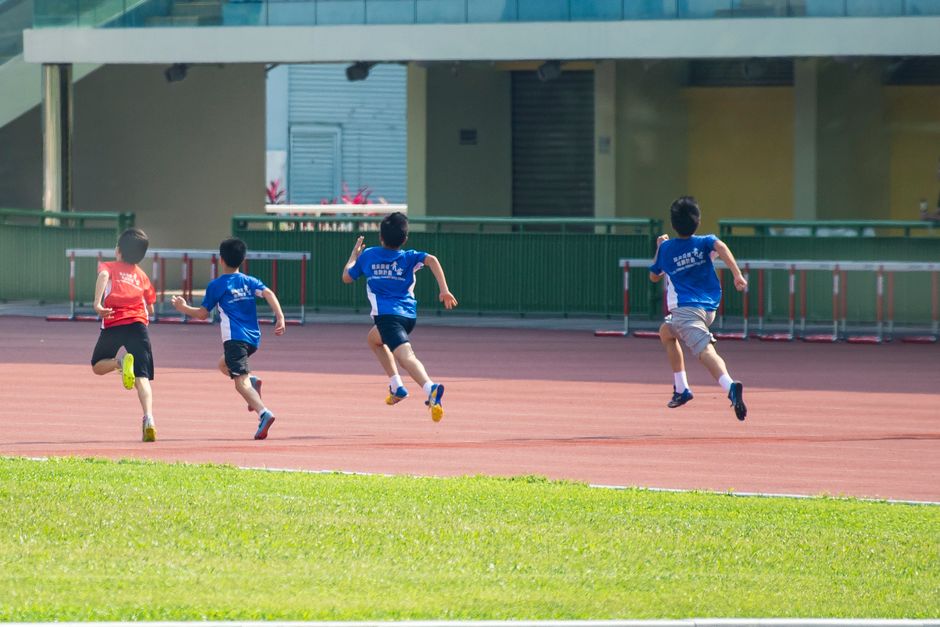
On any given Saturday morning, Victoria Park pulses with hundreds of runners in club colours—a scene that would have seemed unthinkable a decade ago. Today, Hong Kong's endurance sports community is experiencing unprecedented growth, with local running, cycling, and triathlon clubs reporting membership increases of 30 to 40 per cent over the past three years.
The transformation reflects a fundamental shift in how Hongkongers approach fitness. Rather than solitary gym sessions, athletes increasingly seek structured club environments that combine training with genuine community. The Hong Kong Trail Running Club, based in the New Territories, has grown from 200 members in 2023 to over 800 today, organising weekly runs from trailheads near Tai Po and the Sai Kung Peninsula. Meanwhile, cycling clubs spanning from Tsim Sha Tsui to the New Territories report similar trajectories, with group rides attracting participants across age groups and ability levels.
What's driving this boom? Accessibility plays a crucial role. Monthly club fees typically range from HK$100 to HK$300, far cheaper than personal training, while providing structured coaching and community support. The Hong Kong Triathlon Association reports that beginner-friendly sprint-distance events—requiring less than two hours to complete—have opened the sport to office workers and young professionals previously intimidated by the Ironman distance.
Beyond fitness metrics, clubs are filling a social void in Hong Kong's fast-paced urban environment. Weekend group runs from locations like the Promenade in Central and cycling circuits around the New Territories create regular touchpoints for members from diverse professional backgrounds. Many clubs now integrate social events, nutrition workshops, and post-workout gatherings at local cafés in neighbourhoods like Sheung Wan and Causeway Bay.
Infrastructure improvements have also helped. The completion of expanded cycling lanes from Tuen Mun to Yuen Long, plus ongoing developments along Victoria Harbour, has made regular training more practical for commuters. Several clubs now offer lunch-hour sessions near Central and Admiralty, capitalising on improved urban cycling infrastructure.
Club leaders emphasise inclusivity as their defining characteristic. Rather than elite-focused hierarchies, organisations like the Hong Kong Road Cycling Club actively mentor newcomers, with experienced riders pacing slower group rides specifically. This democratisation of endurance sports—once perceived as niche pursuits—has resonated strongly with Hongkongers seeking meaningful activity beyond work and consumption.
As these clubs continue expanding, they're reshaping not just individual fitness but Hong Kong's social fabric itself, proving that community-driven sports thrive where genuine connection takes priority over competitive achievement.
This article was compiled by AI from the sources linked above and screened before publishing. See our editorial standards.