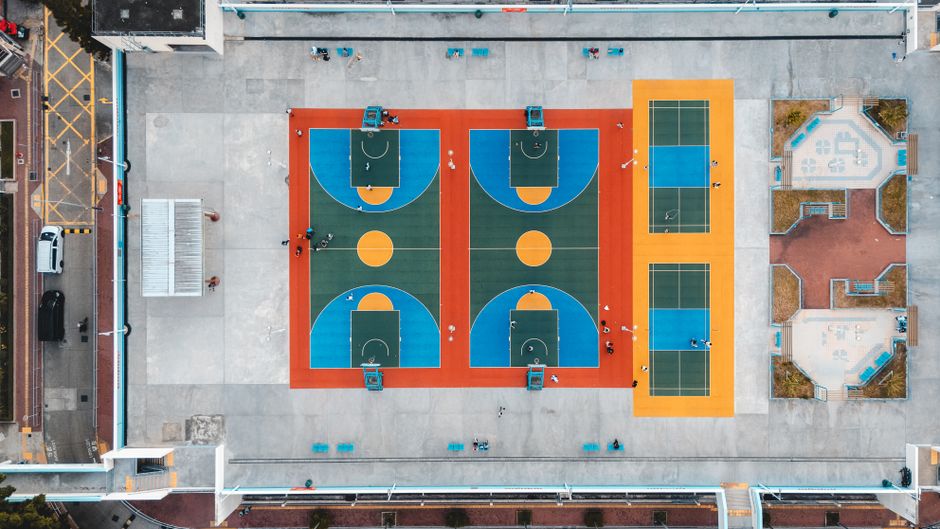
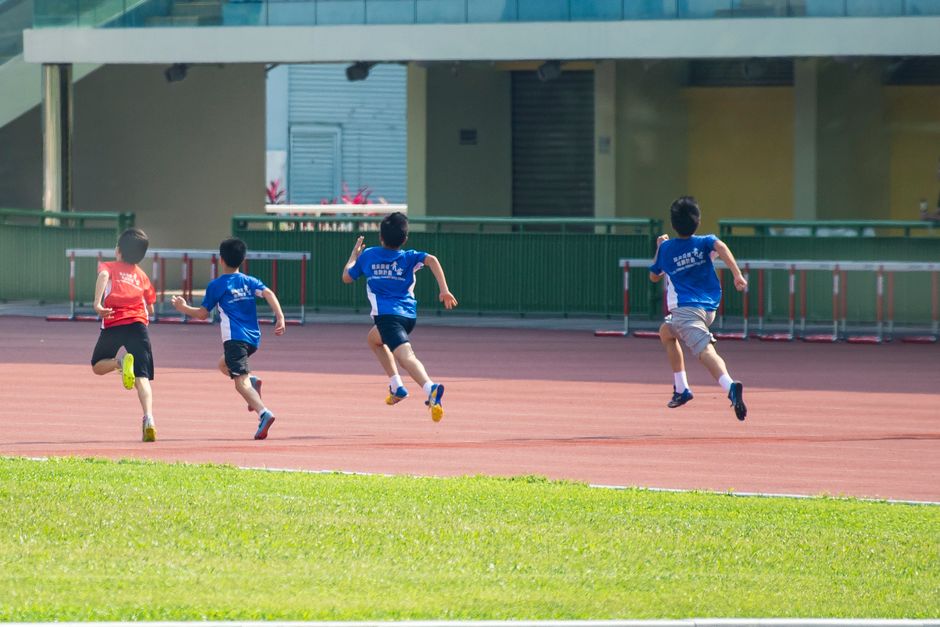
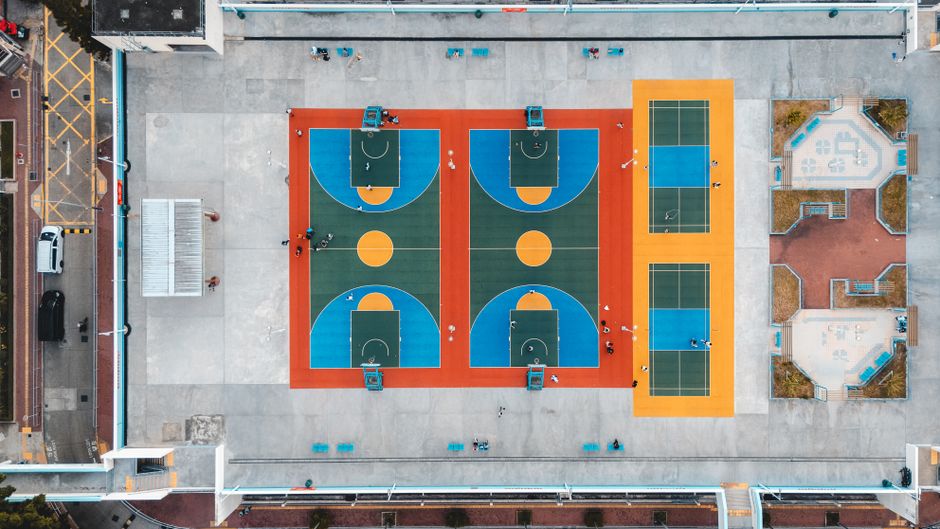
Walk past Victoria Park on a Saturday morning and you'll see badminton courts booked solid, junior tennis camps in full swing, and swimming squads churning through the laps. But venture into public sports facilities across Sham Shui Po or Kwai Tsing, and a different story emerges: half-empty badminton courts, dwindling numbers in municipal swimming classes, and youth football clubs struggling to field competitive teams.
New participation data from the Hong Kong Sports Development Board, released this month, paints a picture of a city where youth sport participation has fractured along socioeconomic lines. Overall youth club membership—defined as ages 6-18 across registered organisations—has grown 12% since 2023, reaching approximately 340,000 participants. But the granular numbers reveal uncomfortable truths about who's playing what, and where.
Private clubs in mid-level and central districts report waiting lists. Kowloon Cricket Club's junior membership expanded by 18% year-on-year. Hong Kong Football Club's youth programmes are fully subscribed. Yet participation in grassroots municipal programmes—particularly in Yau Tsim Mong and Wong Tai Sin districts—has actually contracted by 8-11% since 2024. Monthly fees at private clubs average HK$800-2,000; municipal classes cost HK$50-150 per session, yet still see declining youth enrolment.
The data suggests Hong Kong's fitness culture is increasingly bifurcated. Elite-oriented development pathways—fencing at Sheung Wan Sports Centre, squash at Pacific Place, rowing clubs in Sai Kung—attract committed families with disposable income. Meanwhile, casual recreational participation among lower-income youth is stalling. Basketball participation in public courts across Mong Kok and Cheung Sha Wan has flattened. Badminton club membership in New Territories estates lags far behind urban centres.
What's particularly telling is the age-out pattern. Participation peaks at ages 8-11, then drops sharply by 14-15. It's not that teenagers lose interest—interviews with youth workers suggest accessibility issues, competing academic pressures, and the perception that serious sport requires expensive club membership.
Some encouraging signals exist. Women's participation in youth rugby and football clubs has doubled, driven partly by international success stories and targeted grassroots campaigns in schools. Badminton remains remarkably popular across all socioeconomic strata.
Yet the fundamental challenge is clear: Hong Kong has built exceptional elite sport infrastructure and private pathways, but grassroots accessibility—particularly in public housing areas—remains inconsistent. If youth sport is supposed to be a social equaliser, our participation data suggests we're not living up to that promise.
This article was compiled by AI from the sources linked above and screened before publishing. See our editorial standards.