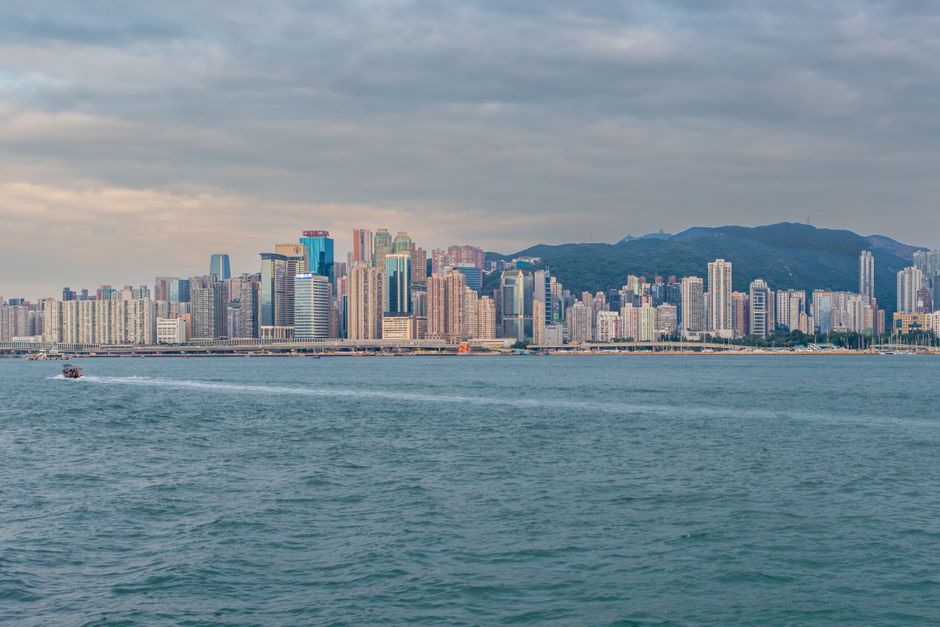
Hong Kong's relationship with water is undeniable—surrounded by Victoria Harbour and the South China Sea, the city has long positioned itself as a aquatic hub. Yet behind the postcard-perfect coastal scenes lies a pressing infrastructure challenge that sports administrators and facility managers are scrambling to address.
The backbone of Hong Kong's swimming infrastructure remains the public leisure and cultural services operated by the Leisure and Cultural Services Department. Across 44 public swimming pools distributed from Central to the New Territories, the LCSD serves approximately 2.3 million visits annually. At popular venues like Victoria Park Swimming Complex in Causeway Bay and Kowloon Park Pool near Tsim Sha Tsui, peak-hour sessions regularly reach capacity, forcing swimmers to queue during summer months.
Private facilities have attempted to fill gaps. The Hong Kong Football Club's extensive aquatic centre in Happy Valley and Shatin Sports Park's Olympic-standard pools cater to elite swimmers and competitive clubs, though membership fees—often exceeding HK$15,000 annually—restrict access for grassroots participants.
The real challenge emerges when examining facility age and modernisation. Many public pools, built during the 1980s and 1990s, operate with ageing filtration systems and limited accessibility features. Renovations at Tin Wan Swimming Complex in Aberdeen and recent upgrades to Tuen Mun Swimming Complex represent progress, yet investment struggles to match demand growth as water polo, swimming, diving, and triathlon participation climbs across schools and sports associations.
Coastal water sports present another dimension. Hong Kong's beaches—from Repulse Bay to Cheung Sha—host swimming, kayaking, and stand-up paddleboarding activities. Yet lifeguard resources and safety infrastructure remain inconsistent across lesser-known beaches, particularly in the eastern New Territories where recreational enthusiasm outpaces formal provision.
The University of Hong Kong and Chinese University maintain competitive aquatic facilities primarily for student athletes, though occasional community partnerships unlock limited public access. This siloed approach fragments Hong Kong's overall capacity.
City planners have earmarked funding for new leisure complexes in emerging districts like Kai Tak Development and North Point waterfront projects. However, with construction timelines stretching into 2028 and beyond, current swimmers bear the squeeze—peak-hour waits, restricted lane allocations during school holidays, and premium pricing at private alternatives.
As Hong Kong positions itself for the 2034 Olympic Games candidacy, facility modernisation has become not merely a convenience issue but a strategic imperative. Without decisive investment now, the city risks undermining the infrastructure necessary to sustain its aquatic sporting ambitions.
This article was compiled by AI from the sources linked above and screened before publishing. See our editorial standards.