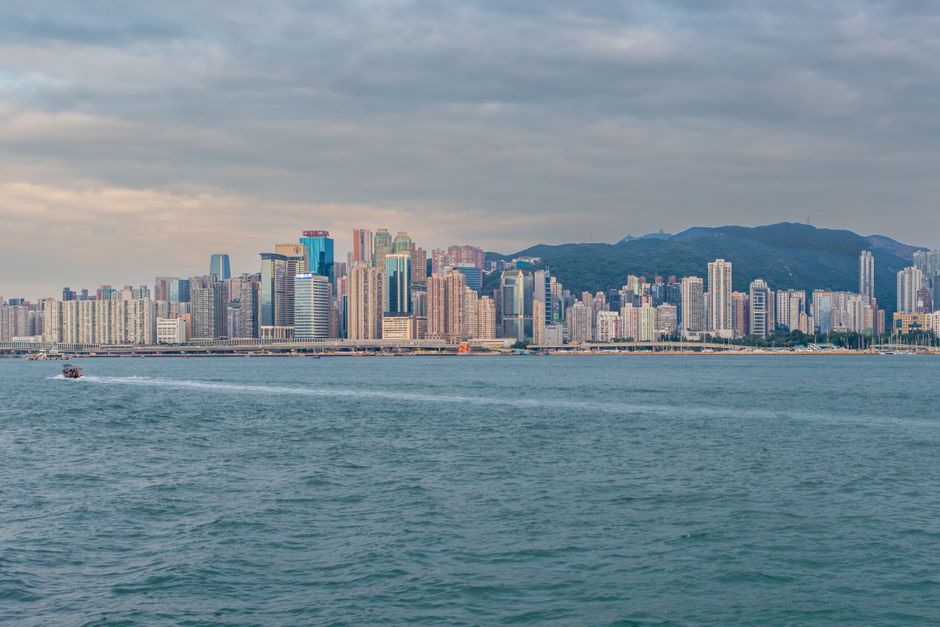
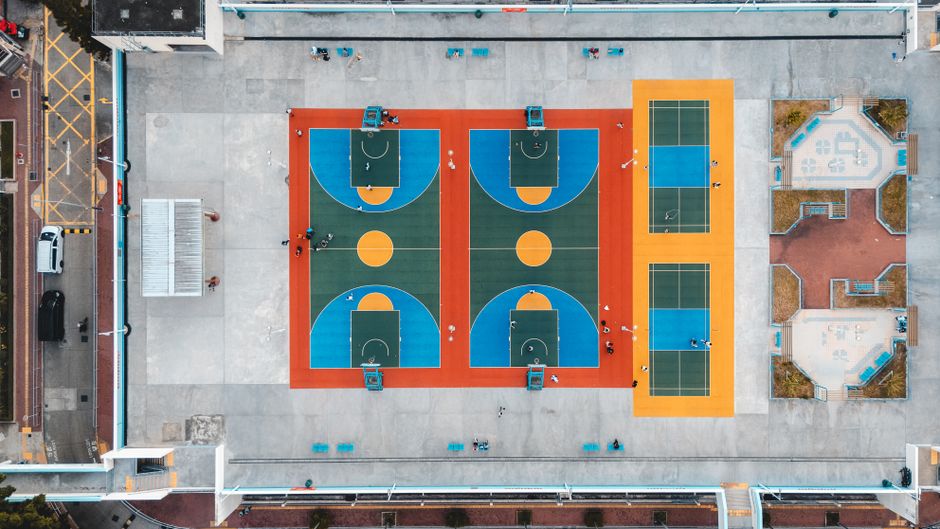
Hong Kong's reputation as a global sporting hub is being tested by crumbling infrastructure and overcrowded venues that struggle to meet international standards. As the city eyes future major competitions, questions loom over whether existing facilities can deliver the experience expected of a world-class metropolis.
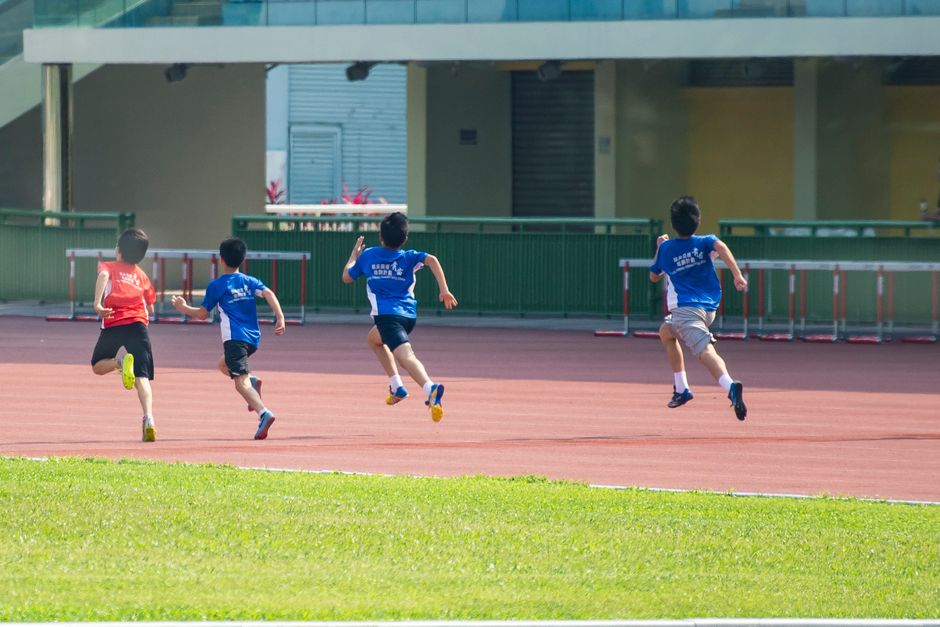
The Hong Kong Stadium in So Kon Po remains the territory's largest sports venue with a 40,000 capacity, yet its 1994 construction means ageing systems and limited modern amenities increasingly frustrate both athletes and spectators. The track and field facility hosts everything from rugby sevens qualifiers to pop concerts, spreading resources thin across competing demands. Meanwhile, Victoria Park's multipurpose grounds continue serving as the backbone for local athletics, badminton and netball, despite accommodation that feels increasingly cramped during peak seasons.
The long-awaited Kai Tak Sports Park promises relief. This $4.6 billion project, scheduled for phased completion through 2029, will introduce a 70,000-capacity main stadium plus aquatic and indoor venues across 26 hectares in Kowloon. Yet delays have already tested patience—the project was originally envisioned for 2023 completion. When operational, it should significantly boost Hong Kong's hosting capacity, particularly for athletics and aquatics events that currently require makeshift arrangements.
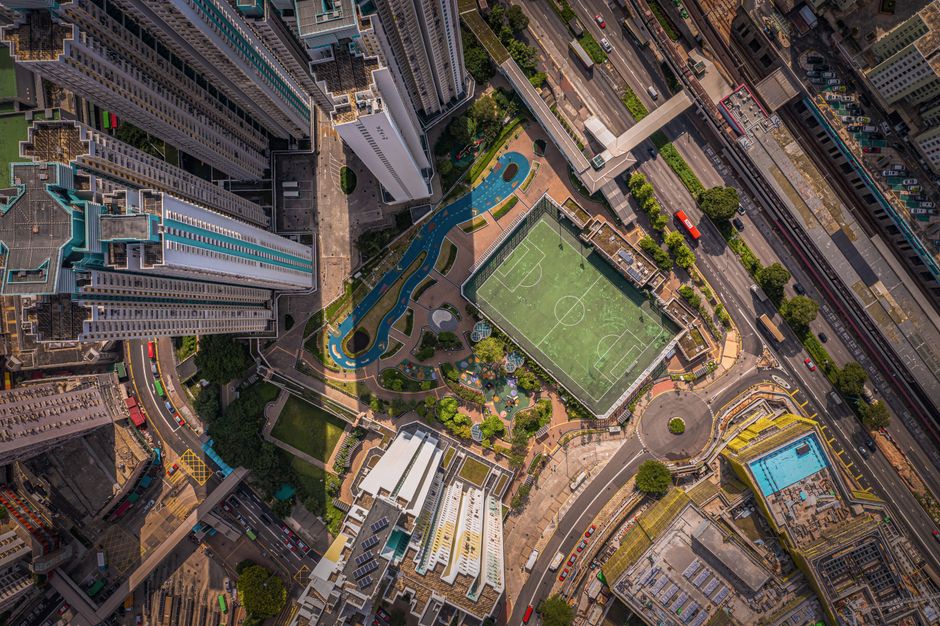
Smaller facilities tell a similar story. The Tin Shui Wai Sports Centre, opened in 2020, provides modern amenities in Hong Kong's northwest, yet the New Territories remain underserved compared to Hong Kong Island's concentration of tennis courts, swimming pools and sports clubs in areas like Happy Valley and Repulse Bay.
International federations have noted these limitations. Previous unsuccessful bids for major events cited infrastructure constraints as deciding factors. The Jockey Club's investment in equestrian facilities at Sha Tin and Beas River holds Hong Kong's equestrian reputation aloft, but similar sustained investment across other sports remains inconsistent.
Sports and Recreation Commission initiatives are attempting remedies, with funding allocated for facility upgrades at neighbourhood level. Yet Hong Kong's dense urban landscape makes large-scale venue development extraordinarily expensive and politically sensitive.
As other Asian cities—Singapore, Bangkok, Incheon—modernise their sporting infrastructure aggressively, Hong Kong risks slipping from the conversation for premium international events. The success of Kai Tak's delivery will prove decisive in determining whether the city can reclaim its position as Asia-Pacific sport's premier destination, or settle for regional significance.
This article was compiled by AI from the sources linked above and screened before publishing. See our editorial standards.