Sport
Hong Kong's Running Boom Masks a Troubling Divide in Our Fitness Culture
Participation data reveals a city obsessed with marathons and triathlons—but one where accessibility gaps are widening.
3 min read
Updated 13 h ago
Sport
Participation data reveals a city obsessed with marathons and triathlons—but one where accessibility gaps are widening.
3 min read
Updated 13 h ago
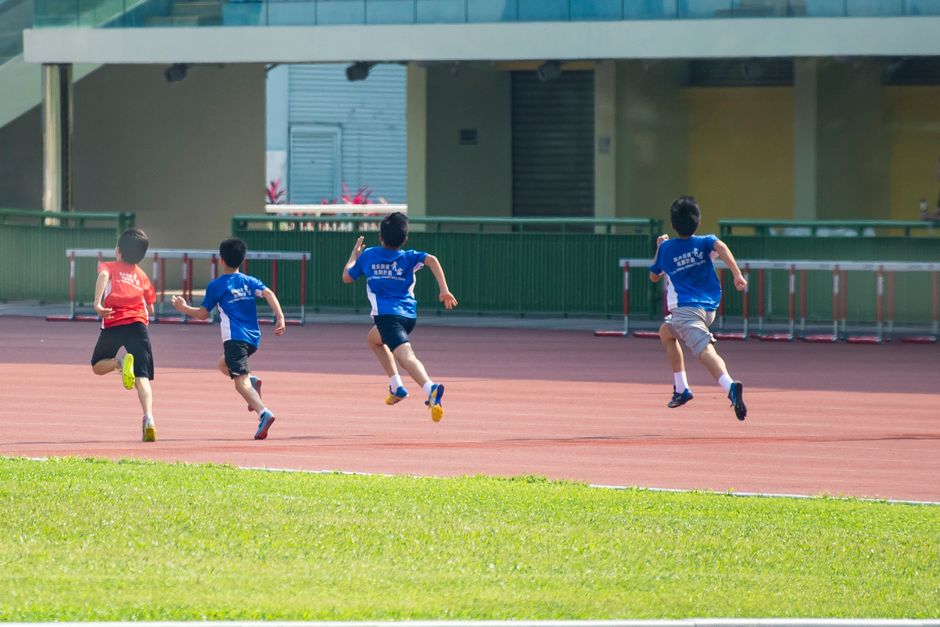
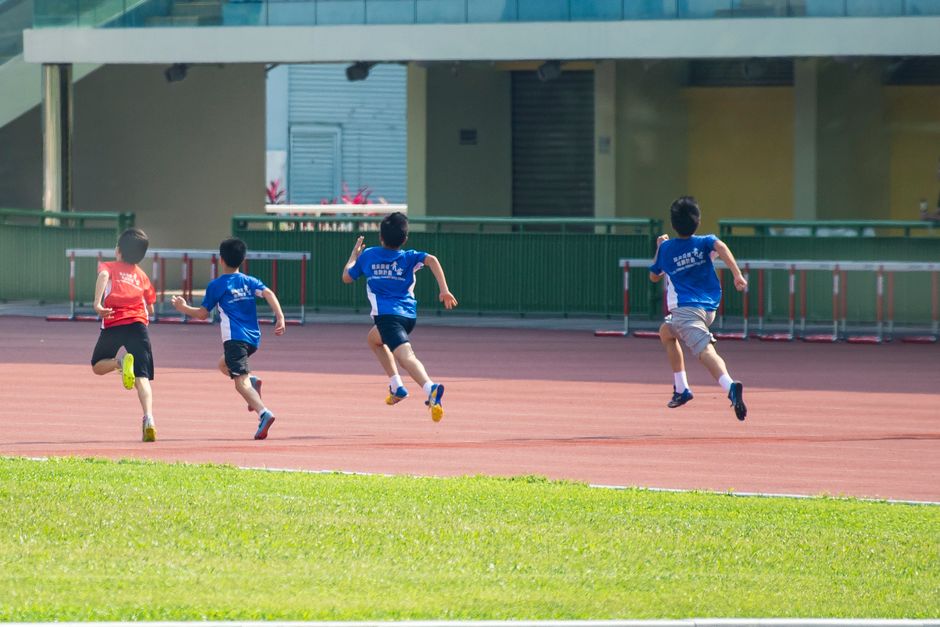
Early morning along the Waterfront Promenade in Central, the scene is unmistakable: hundreds of runners in technical gear pound the path before dawn, their smartwatches glowing in the darkness. It's become the defining image of Hong Kong's fitness culture. But beneath this apparent boom lies a more complex picture about who gets to participate—and who doesn't.
Recent participation data paints a striking portrait. Registration for the Standard Chartered Hong Kong Marathon has climbed to over 73,000 applicants competing for roughly 55,000 spots, up 23% since 2023. The Hong Kong Triathlon Series, centred at Stanley Beach and the Kowloon Park Sports Centre, now attracts over 8,000 competitors annually across its summer and autumn races. Cycling clubs affiliated with the Hong Kong Cycling Association report a 31% surge in membership over three years, with weekend rides through the New Territories and along the Central Waterfront consistently drawing 200-plus participants.
Yet the numbers tell only half the story. Entry fees have become prohibitive for many. A standard triathlon costs 900-1,200 Hong Kong dollars; cycling club memberships hover around 1,200 annually; marathon registration typically exceeds 600 dollars. For a city where median wages haven't grown proportionally to fitness costs, participation increasingly skews toward higher-income districts. Runners congregating at Victoria Park and Kowloon Park neighbourhoods are demographically distinct from those in Sham Shui Po or Cheung Sha Wan, where grassroots running clubs struggle to sustain membership.
The data also reveals a gender imbalance worth examining. Women comprise roughly 32% of triathlon participants and 38% of cycling club memberships—respectable figures, yet still trailing running events, where female participation reaches 45%. Safety concerns around evening training and route accessibility on remote New Territories cycling paths persist as genuine barriers.
What's genuinely encouraging is the emergence of community-driven initiatives. Grassroots running groups operating from neighbourhoods like Mong Kok and Tseung Kwan O, often organised informally through WhatsApp, suggest Hongkongers will embrace endurance sport despite systemic barriers. The question isn't whether we love running, cycling, and triathlon—participation data confirms we do. The question is whether this enthusiasm will remain the preserve of the affluent, or whether we'll invest in making these sports genuinely accessible across our city's diverse communities.
The fitness culture Hong Kong is building is vigorous and growing. Now comes the harder work: ensuring it belongs to everyone.
This article was compiled by AI from the sources linked above and screened before publishing. See our editorial standards.
About this article
Published by The Daily Hong Kong
Spread the word
Daily brief
Free, in your inbox before 7am. Weekdays.
Before you go
The day's Hong Kong news in a 2-minute read. Free, weekday mornings.